Appetite Suppressant Pills Ranked for 2026
What is the best appetite suppressant that actually works?
For over-the-counter options, the best-evidenced appetite suppressant is soluble fiber such as glucomannan, which expands in the stomach to blunt hunger before a meal. Protein and green tea extract are useful adjuncts. No pill overrides calories, but fiber taken about 15 minutes before eating makes eating less feel easier.
- Soluble fiber ranks first because it works physically — it swells into a gel and slows stomach emptying.
- Protein and green tea extract are proven adjuncts, not replacements, for fiber-driven fullness.
- Timing is a feature: take a fiber suppressant about 15 minutes before your biggest meals.
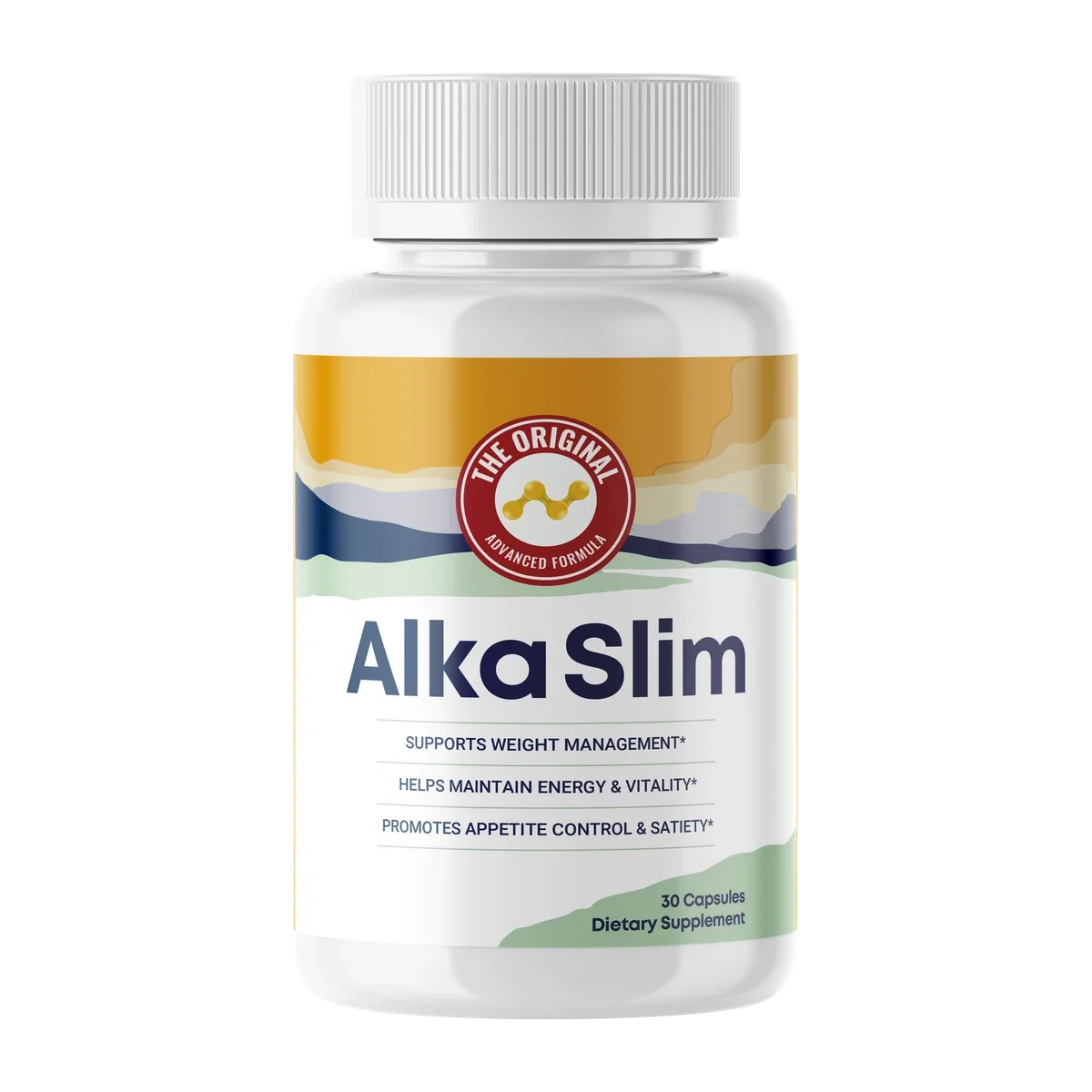
Every year the shelves fill with a new "miracle," and every year the honest answer stays the same: the best appetite suppressant is not the one with the loudest label, it is the one that reduces how much you actually eat without wrecking your day. That is the lens we used to rank the over-the-counter options for 2026. We ignored the hype reels and asked a plainer question of each ingredient — does it have real evidence for blunting hunger, and can a normal person use it safely, day after day, before meals?
Here is the uncomfortable truth that sets up the whole ranking: appetite control is the main driver of almost every "fat burner" result you have ever seen. When a stimulant blend "works," it is usually because it dulled your hunger enough to eat less, not because it torched fat directly. So instead of ranking products, we ranked the mechanisms that suppress appetite — then showed you where a fiber-forward capsule like AlkaSlim lands among them.
How we ranked each appetite suppressant
Three filters decided the order, in this priority:
- Weight of evidence. Does the ingredient have human studies for satiety or reduced food intake, or is it riding on lab-dish theory and testimonials?
- Everyday safety. Can most adults take it daily without stimulant load, jitters or a blood-pressure caution? Food-derived and non-stimulant beats "powerful but edgy."
- Practical usefulness. Is the effect something you can feel and time around a meal, or is it a vague background claim you have to take on faith?
Nothing here diagnoses, treats or cures anything — these are supports for eating a little less alongside a sensible diet, not medicine. With that framing set, here is the list.
The appetite suppressant rankings for 2026
1. Soluble fiber (glucomannan, baobab, psyllium). This is the category winner and it is not especially close for daily use. Soluble, viscous fiber works by physics, not pharmacology: it absorbs water in the stomach, swells into a thick gel, and slows how quickly the stomach empties. You arrive at the meal already partly full, so you naturally eat less. Glucomannan (from konjac root) is the most-studied of these, with an intake of roughly one gram before meals behind the recognized satiety wording in Europe. Because it is food-derived and non-stimulant, it also scores highest on everyday safety — the only real rules are plenty of water and spacing it from medication. If you want the deep dose-and-timing breakdown, our guide to glucomannan dosage and a realistic weight-loss timeline covers the exact numbers.
2. Protein (whey, casein, or simply more food protein). Protein is the most reliable macronutrient for fullness, and it is easy to forget it belongs on an appetite-suppressant list at all. It slows digestion, blunts the hunger hormone response, and keeps you satisfied for hours. It ranks just below fiber only because it is a food strategy more than a pill — but pairing a protein-forward plate with a fiber suppressant is arguably the single strongest non-prescription combination you can build.
3. Green tea extract (EGCG plus caffeine). Green tea earns its spot on two fronts: caffeine mildly suppresses appetite and lifts energy, while the EGCG catechins give a small, real thermogenic nudge. It is a genuine adjunct — modest, well-tolerated in normal amounts, and helpful for people who also want a lift before activity. The caution is simple: it is a stimulant, so it is not the pick for anyone sensitive to caffeine or watching blood pressure.
4. 5-HTP. A common adjunct in appetite blends, 5-HTP is a serotonin precursor with some human data for reduced food intake, especially carbohydrate cravings. It is interesting rather than foundational, and it carries real interaction cautions — particularly with antidepressants — so it belongs under a clinician's eye, not in a casual daily stack.
Honorable mentions. L-arabinose (a sugar-digestion modifier that can soften the impact of a starchy meal), chromium (for cravings, with mixed evidence), and caffeine on its own all have their place as supporting players. None of them is a foundation; each works best bolted onto the fiber-first base.
Where AlkaSlim's fiber blend lands
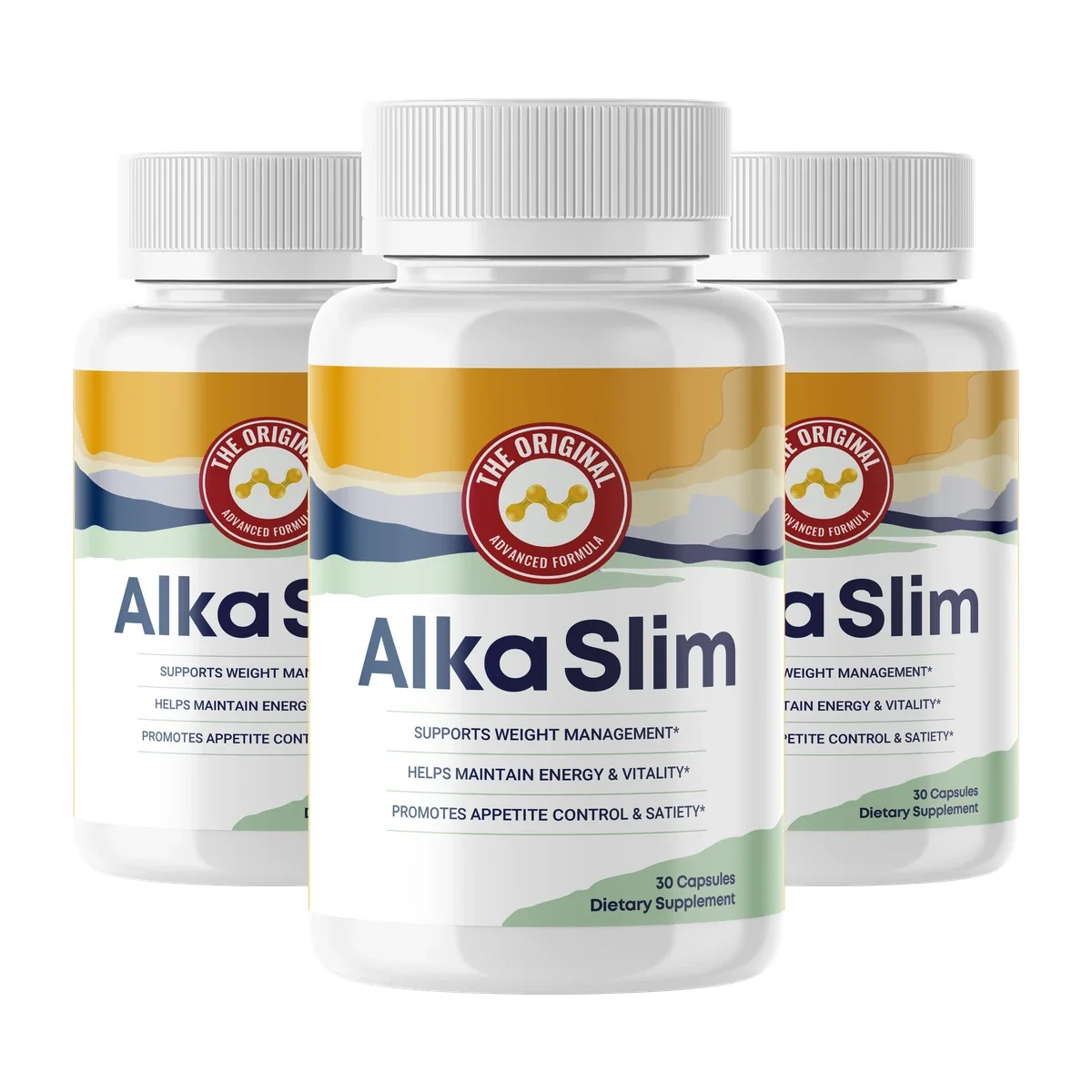
AlkaSlim earns a place near the top of this appetite suppressant ranking because it is built on the winning mechanism rather than a stimulant gimmick. Its once-daily capsule leads with konjac glucomannan and baobab fiber — the two highest-ranked satiety tools on this page — and adds L-arabinose to blunt the impact of starchy meals and spermidine as a cellular-health ingredient. In other words, it is a fiber-first formula with sensible adjuncts, which is exactly the shape of a modern, lower-risk appetite aid.
We hold one honest reservation, and we hold it against every proprietary blend equally: the visible label does not publish a milligram amount for the glucomannan, and with fiber the dose is the mechanism. A once-daily capsule is also a different pattern from the studied "before each meal" protocol. That does not make it a bad choice — a convenient capsule you actually take beats a three-times-a-day powder you abandon — but if precise dosing matters to you, it is worth emailing the store before committing to a multi-bottle supply. For the wider view of which food-derived options carry their weight, our roundup of natural appetite suppressants that actually work is the companion piece to this ranking.
Want the fiber-first suppressant in one daily capsule?
AlkaSlim combines konjac glucomannan and baobab fiber with L-arabinose and spermidine in a single once-daily capsule. See current pricing and the 60-day guarantee on the official store.
Check AlkaSlim on the Official StoreThree myths about appetite suppressant pills
Myth 1: "A strong suppressant burns fat on its own." No pill creates a calorie deficit by itself. Suppressants make a deficit easier to hold by turning down hunger — the fat loss still comes from eating less than you burn. Anyone selling a pill as a substitute for that is selling a story.
Myth 2: "Stimulant blends are the most powerful." They feel powerful because caffeine is fast and obvious. But "feels like something" is not the same as "helps you eat less all week." A quiet fiber gel that shows up before every meal often does more real work than a buzzy pre-workout you crash off by afternoon.
Myth 3: "Natural means it works like a drug." It does not, and that is fine. Natural appetite suppressants are milder by design. If you need a drug-level effect for a medical reason, that is a conversation with a doctor about prescription options — not a supplement decision.
Stimulant vs non-stimulant: which type fits you
One decision quietly determines whether an appetite suppressant helps you or backfires: stimulant or non-stimulant. It is worth making on purpose rather than by accident, because the marketing rarely draws the line clearly.
Stimulant-based suppressants — think caffeine, green tea extract, and the "energy plus focus" blends — dull hunger partly by raising alertness and turning up the nervous system. For a caffeine-tolerant person who wants a lift before a workout and a morning appetite dip, they can be genuinely useful. The catch is the profile: jitters, sleep disruption if taken late, a blood-pressure caution, and a tolerance curve that means the effect fades as your body adapts. They are also a poor fit for anyone sensitive to stimulants, pregnant or nursing, or managing heart or blood-pressure concerns.
Non-stimulant suppressants — led by soluble fiber like glucomannan and baobab — work by physics and fullness instead of by revving you up. There is no crash, no tolerance spiral, and no stimulant caution, which is exactly why fiber tops our daily-use ranking. The trade-off is that the effect is quiet: you will not "feel" a fiber gel the way you feel a double espresso, even though it may be doing more real work at the dinner table. If you want something you can take every day, indefinitely, without watching the clock or your heart rate, non-stimulant is the safer lane — and it is the lane a fiber-first capsule like AlkaSlim sits in by design.
How to actually use an appetite suppressant
The ranking only matters if you use the ingredient the way it was studied. For a fiber-based suppressant, that means four things: take it about 15 minutes before your biggest meals so the gel forms before food arrives; take it with a full glass or two of water, every time, because a viscous fiber taken dry is a genuine choking risk; start low and build up to let your gut adjust and avoid the bloating that makes people quit; and space it from medication by about two hours, since viscous fiber can slow absorption.
Then give it a fair window. Reduced hunger can show up the first day, but weight change is a several-week story, and only if the smaller appetite actually lowers what you eat. Pair the suppressant with protein at meals, some daily activity and decent sleep — the boring trio that quietly outperforms every stimulant blend on the shelf.
Related reading
Try the top-ranked mechanism in AlkaSlim
A fiber-forward, non-stimulant capsule taken once daily, backed by a 60-day money-back guarantee. Prices and full terms are on the official store.
Order AlkaSlim From the Official StoreFrequently asked questions
What is the best appetite suppressant that actually works?
For over-the-counter options, the best-evidenced appetite suppressant is soluble fiber such as glucomannan, which expands in the stomach to blunt hunger before a meal. Protein and green tea extract are useful adjuncts. No pill overrides calories, but fiber taken about 15 minutes before eating makes eating less feel easier.
Do natural appetite suppressants work as well as prescription ones?
Generally no. Prescription appetite medicines act on brain and gut signalling and produce larger, faster effects under medical supervision. Natural appetite suppressants like fiber, protein and green tea are milder, work mainly through fullness and thermogenesis, and suit people who want a modest, lower-risk aid alongside a reduced-calorie diet rather than a drug-level result.
Which appetite suppressant is safest for daily use?
Soluble fiber is usually the safest daily option because it is food-derived and works physically rather than stimulating the nervous system. The main cautions are taking it with plenty of water to avoid choking and separating it from medication by about two hours. Stimulant-heavy suppressants are less suitable for sensitive or long-term daily use.
How fast do appetite suppressant pills start working?
Fiber-based suppressants can blunt hunger within 30 to 60 minutes of a dose, which is why they are taken about 15 minutes before meals. Stimulant adjuncts like caffeine act quickly too. Weight change, however, is slower and shows over several weeks, and only when the reduced appetite actually lowers your calorie intake.