Berberine vs Glucomannan for Weight Loss
Is berberine or glucomannan better for weight loss?
Choosing berberine for weight loss versus glucomannan comes down to mechanism. In pooled reviews berberine averages about 2.07 kg lost versus roughly 0.96 kg for glucomannan. Berberine targets insulin and metabolism; glucomannan is a satiety fiber. Neither is dramatic, and both need a calorie deficit, so match the tool to your main obstacle.
- Berberine is the metabolic play: it targets blood sugar and insulin, with a slightly larger average result.
- Glucomannan is the satiety play: a water-absorbing gel that makes it easier to eat less, felt right away.
- Both are modest, both need a calorie deficit, and some people stack them because the mechanisms differ.
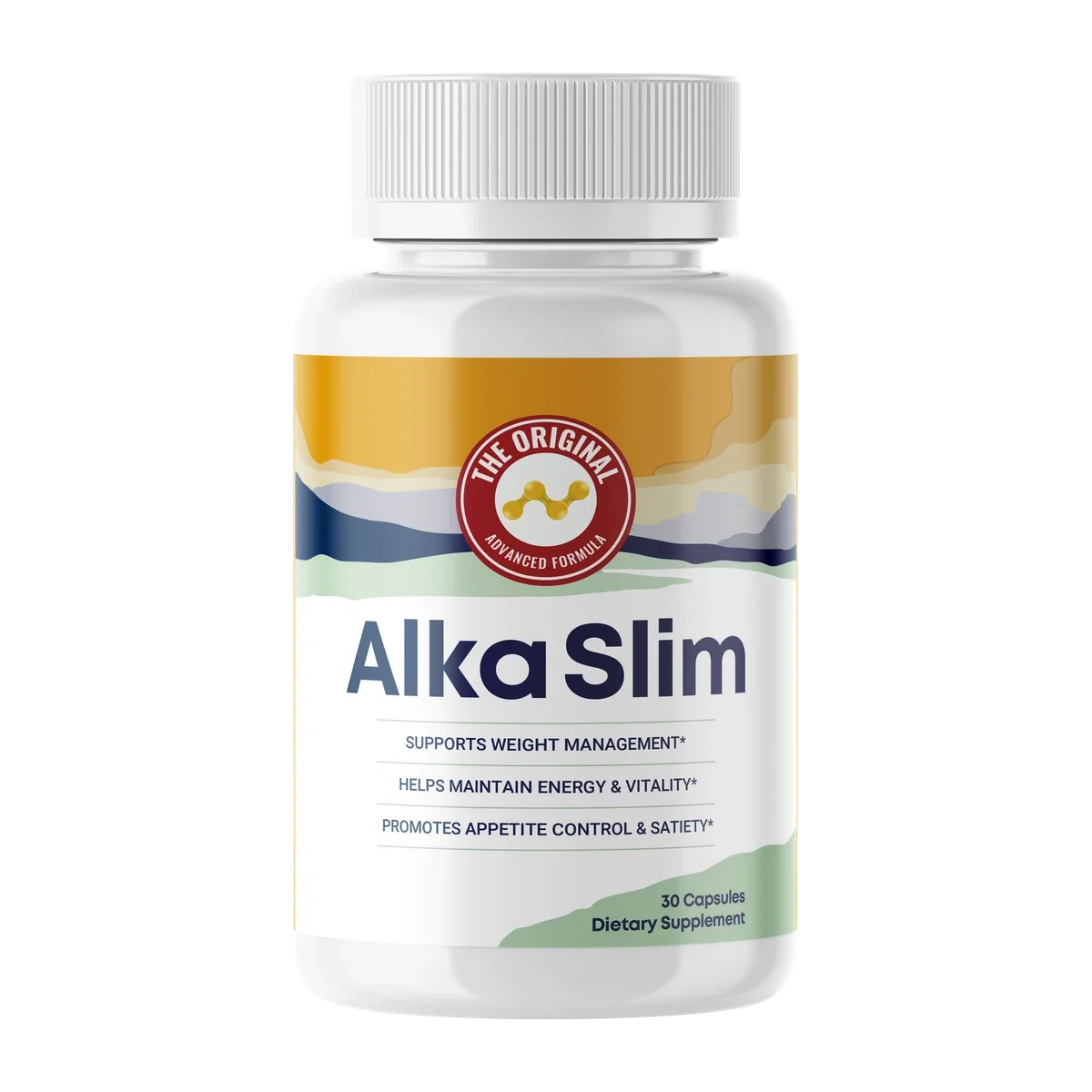
Search "natural weight loss ingredient" and two names dominate the results: berberine for weight loss and glucomannan. They get lumped together as "the natural options," but treating them as interchangeable is a mistake, because they attack the problem from opposite ends. One works on your metabolism and blood sugar. The other works on your appetite. Choosing between them is really a question about yourself — is your obstacle that your body seems to hold weight easily, or that you struggle to stop eating? This article puts the two side by side on the numbers, the mechanisms, the timelines and the side effects, so you can match the tool to the obstacle.
We review weight-management supplements by reading the research rather than the marketing, and we disclose that we earn commission through our links. AlkaSlim, the product this site covers, sits firmly on the glucomannan side of this comparison — so take our summary as informed, but bring the same skepticism to it that you would to any seller.
The headline numbers
Let us start where most people want to start: how much weight does each one actually move? Pooled analyses give a rough, honest picture.
| Ingredient | Average loss in reviews | Primary mechanism | When effects show |
|---|---|---|---|
| Berberine | ~2.07 kg | Insulin sensitivity & metabolism | Metabolic markers 2–4 wks; weight 4–12 wks |
| Glucomannan | ~0.96 kg | Satiety (viscous gel) | Appetite immediate; weight over weeks |
Two things jump out. First, berberine's average is roughly double glucomannan's in these reviews — a real difference worth naming. Second, and just as important: neither number is large. Two kilograms, or about four and a half pounds, is a genuine but modest effect, and it is an average, which means some people saw more and some saw nothing. Anyone selling either ingredient as a dramatic transformation is selling past the evidence. What these numbers describe is a helpful nudge on top of diet and activity, not a replacement for them.
It is also worth being clear about where these averages come from, because that context changes how much weight to put on them. Pooled figures like these are drawn from trials that differ in length, dose, and the kind of people enrolled — some studying participants with blood-sugar issues, others healthy adults simply trying to slim down. That variety is a strength when the direction of the effect holds across very different conditions, but it also means the single number is a rough centre of gravity rather than a promise. Treat "about 2 kg" and "about 1 kg" as honest ballparks that tell you the order of magnitude to expect, and let your own eight-to-twelve-week response, measured against a steady diet, be the figure you actually trust.
How berberine works: the metabolic angle
Berberine is a compound found in plants such as goldenseal and barberry, and its interesting effects are biochemical. It activates an enzyme called AMPK — often described as a "metabolic master switch" — which is involved in how cells take up and use glucose. In practice, the most consistent finding in the research is that berberine improves insulin sensitivity and helps lower fasting blood sugar. Weight change appears to be a downstream consequence of that metabolic improvement rather than the primary event.
This is why berberine appeals to people whose weight struggle comes with signs of blood-sugar dysregulation — the person who feels their metabolism is working against them. Because the mechanism is biochemical, it does not depend on filling your stomach; it works quietly in the background. The trade-off is that biochemical effects take time to accumulate. Berberine's metabolic markers can start shifting within two to four weeks, but the number on the scale usually needs longer, generally somewhere in the four-to-twelve-week window, and only inside a reduced-calorie diet. It has also earned the nickname "nature's Ozempic" in some corners of the internet — a comparison that overstates the case considerably, and one we unpack in our look at the truth about natural Ozempic alternatives.
How glucomannan works: the satiety angle
Glucomannan comes at weight from the opposite direction. It is a soluble fiber extracted from konjac root, and its mechanism is physical, not biochemical. Swallowed with water, it absorbs many times its weight in liquid and forms a thick gel in the stomach. That gel slows how quickly the stomach empties, which is the sensation people describe as "feeling full for longer." It also flattens the post-meal blood-sugar rise by slowing digestion.
The appeal here is immediacy and simplicity. You do not have to wait weeks to feel the appetite effect — the fullness arrives with the dose. If your obstacle is portion control and constant hunger, a satiety tool addresses the actual problem you face. The catch is that a physical mechanism scales with quantity: you need enough fiber to form a meaningful gel. The intake behind the European authorised weight-management wording is around three grams a day, split into doses before meals with plenty of water. If you want the full breakdown of what the trials used and why the amount is the whole story, we cover it in the glucomannan dosage and timeline guide.
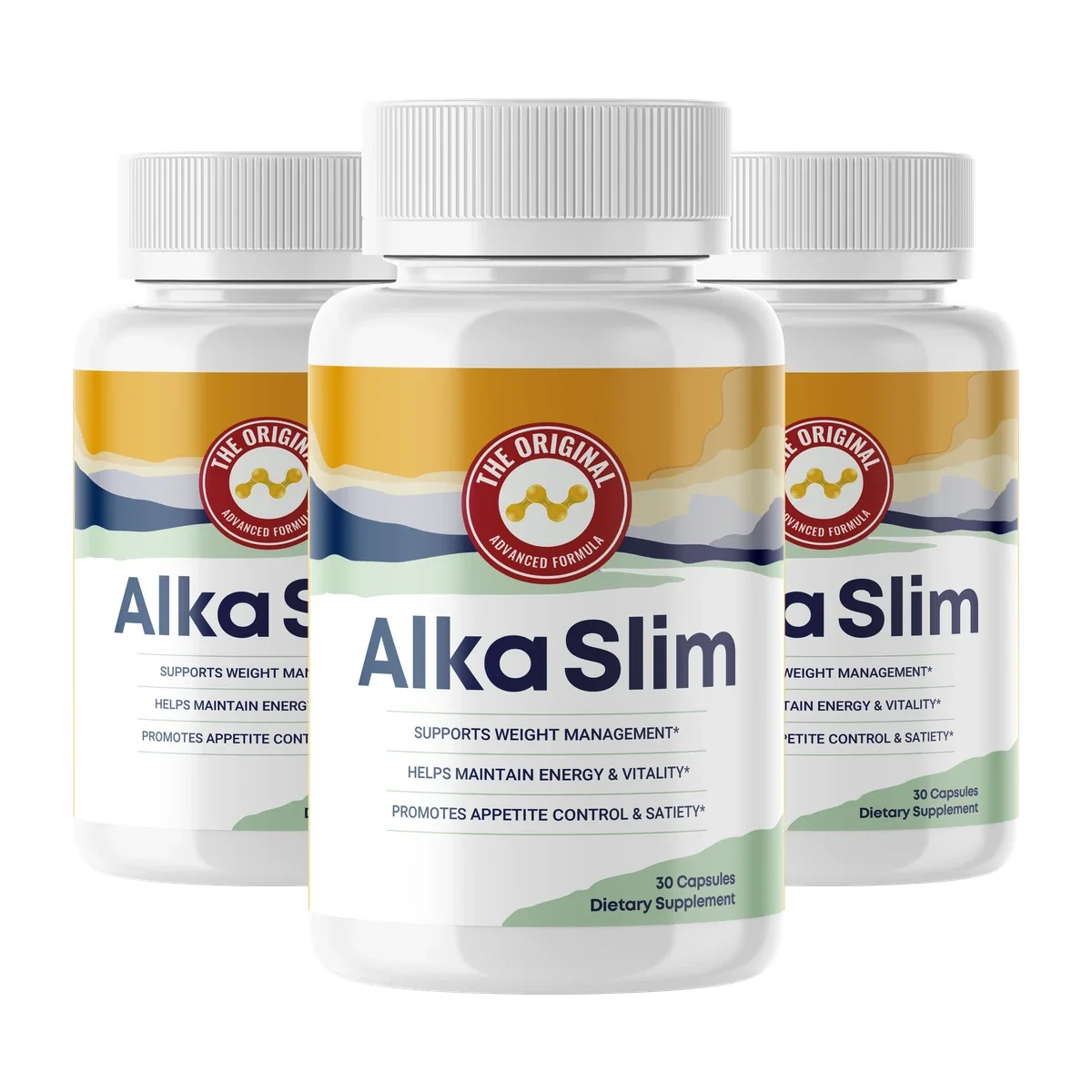
Different tools for different obstacles
Here is the most useful way to frame the choice, because it moves past "which is better" to "which is better for you." Ask yourself an honest question: what actually derails your progress?
If the answer is "I can't stop eating / I'm always hungry," you have an appetite problem, and glucomannan targets it directly. If the answer is "I eat reasonably but the weight won't move," you may have a metabolic angle worth exploring, and berberine is aimed there.
Neither answer is wrong, and many people have a bit of both. That is precisely why some formulas and some users stack the two: the mechanisms do not compete or overlap, so in principle a satiety fiber and a metabolic compound can each do their own job. If you go that route, treat glucomannan as the one that dictates timing — its gel can slow the absorption of anything taken with it, so space it away from other supplements and medicines, and take everything with generous water.
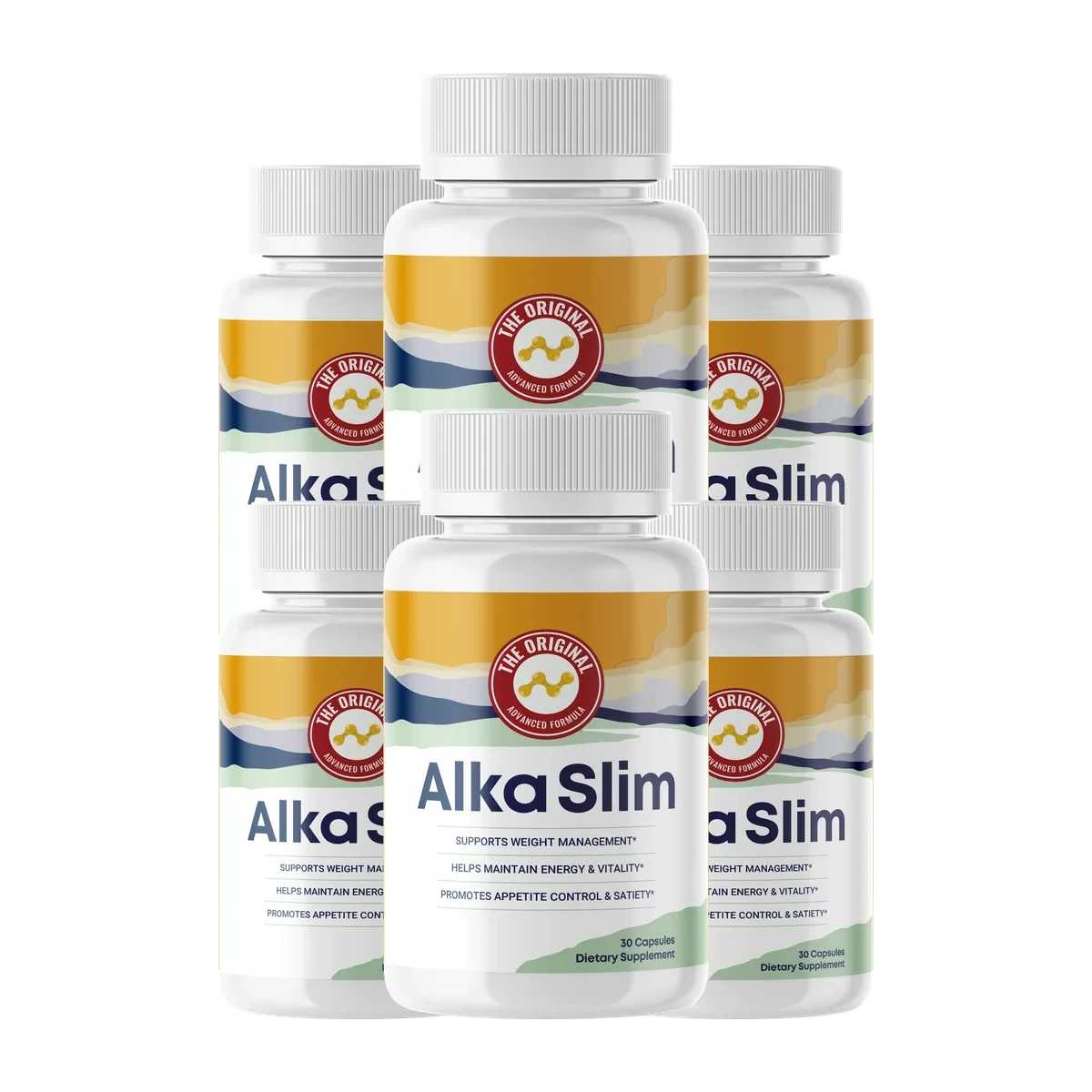
If appetite is your obstacle
AlkaSlim is a once-daily konjac glucomannan capsule built for the satiety side of this comparison. See current pricing, the 60-day guarantee and full terms on the official store.
See AlkaSlim On The Official StoreSide effects and tolerability
A fair comparison has to weigh the downsides, and here the two are more alike than different: both are gentle for most people, and both mainly show up in the gut. Neither is a stimulant, which many people rightly consider a point in favour of both over caffeine-based fat burners.
- Berberine can cause cramping, diarrhea or constipation, especially when you start or dose too high, which is why it is often split across the day. More importantly, it is metabolised through the liver and can interact with medications, so a pharmacist check is not optional if you take anything regularly.
- Glucomannan can cause bloating or gas as your gut adjusts, and it carries one genuine hazard the marketing tends to skip: the same gel that curbs appetite is a choking risk if taken with too little liquid. Take it upright, with a full glass of water, and never dry.
Both of these, and the mistakes that make them worse, are covered in our guide to weight loss supplement side effects and how to avoid them. The short version: dose sensibly, hydrate, and clear anything new against your prescriptions.
Three objections, answered honestly
"Berberine wins, so why consider glucomannan at all?" Because a bigger average on a chart is not the same as a better fit for your life. If your genuine struggle is hunger, a metabolic compound does not touch the thing that trips you up, whereas a satiety fiber does. The best ingredient is the one aimed at your actual obstacle, and for a lot of people that obstacle is appetite.
"These are natural, so they must be safe to just take." Natural does not mean inert. Berberine interacts with medicines and glucomannan is a documented choking hazard without enough water. Both deserve the same care you would give any active ingredient.
"Can't I skip the diet if I take the stronger one?" No. Every number quoted in this article comes from studies where participants were also in a calorie deficit. Both ingredients are amplifiers of a diet, not alternatives to one. Take away the deficit and you take away the results.
The bottom line on berberine for weight loss
Berberine is the metabolic option with the slightly larger average result and a longer runway before the scale moves. Glucomannan is the gentler daily satiety option you feel immediately, with a smaller average but a mechanism that directly targets the most common obstacle — hunger. Neither is dramatic, both are modest, and both live or die by the diet you pair them with. If your problem is appetite and portion control, a well-dosed glucomannan fiber like the one behind AlkaSlim is a sensible, non-stimulant place to start.
Related reading
Frequently asked questions
Is berberine or glucomannan better for weight loss?
In pooled reviews berberine shows a larger average loss of about 2.07 kg versus roughly 0.96 kg for glucomannan, but they work differently. Berberine acts on insulin signalling and metabolism, while glucomannan is a satiety fiber. Neither is a big number, and both only work inside a calorie deficit, so the better pick depends on whether appetite or metabolism is your main obstacle.
Can you take berberine and glucomannan together?
Yes, some stacks combine them because the mechanisms do not overlap: glucomannan curbs appetite through a gel that increases fullness, while berberine works on blood sugar and metabolism. Space glucomannan away from other supplements and medicines because its gel can slow absorption, take each with plenty of water, and check with a pharmacist first, especially if you take any prescription.
How long does berberine take to work?
Berberine's metabolic effects on blood sugar and insulin markers can appear within about two to four weeks, but measurable weight change typically takes longer, usually somewhere in the four to twelve week range and only alongside a reduced-calorie diet. Glucomannan's appetite effect is felt almost immediately, though the weight difference it adds is small and also builds over weeks.
Which has fewer side effects, berberine or glucomannan?
Both are generally gentle and both mainly cause digestive effects. Berberine can bring cramping, diarrhea or constipation and may interact with medicines through the liver, so it needs a pharmacist check. Glucomannan can cause bloating or gas and carries a genuine choking risk if taken with too little water. Neither is stimulant-based, which many people find easier to tolerate.

Try the satiety approach with a safety net
AlkaSlim pairs a once-daily glucomannan capsule with a 60-day money-back guarantee. Check the current price, the guarantee terms and the directions on the official store before you decide.
Order From The Official Store