How Long Does AlkaSlim Take to Work?
How soon will I notice results with AlkaSlim?
The earliest sign — reduced appetite and feeling full on less food — can show up within a few days, because the fiber gel forms quickly. Measurable weight change is slower, usually appearing over about 4 to 12 weeks, and only when the smaller appetite actually lowers your calorie intake alongside a reduced-calorie diet.
- Days: appetite blunting and easier portion control can appear almost immediately.
- Weeks 4-12: measurable weight change accrues gradually, tied to a real calorie deficit.
- Early loss is partly water weight — normal, but not the same as steady fat loss.
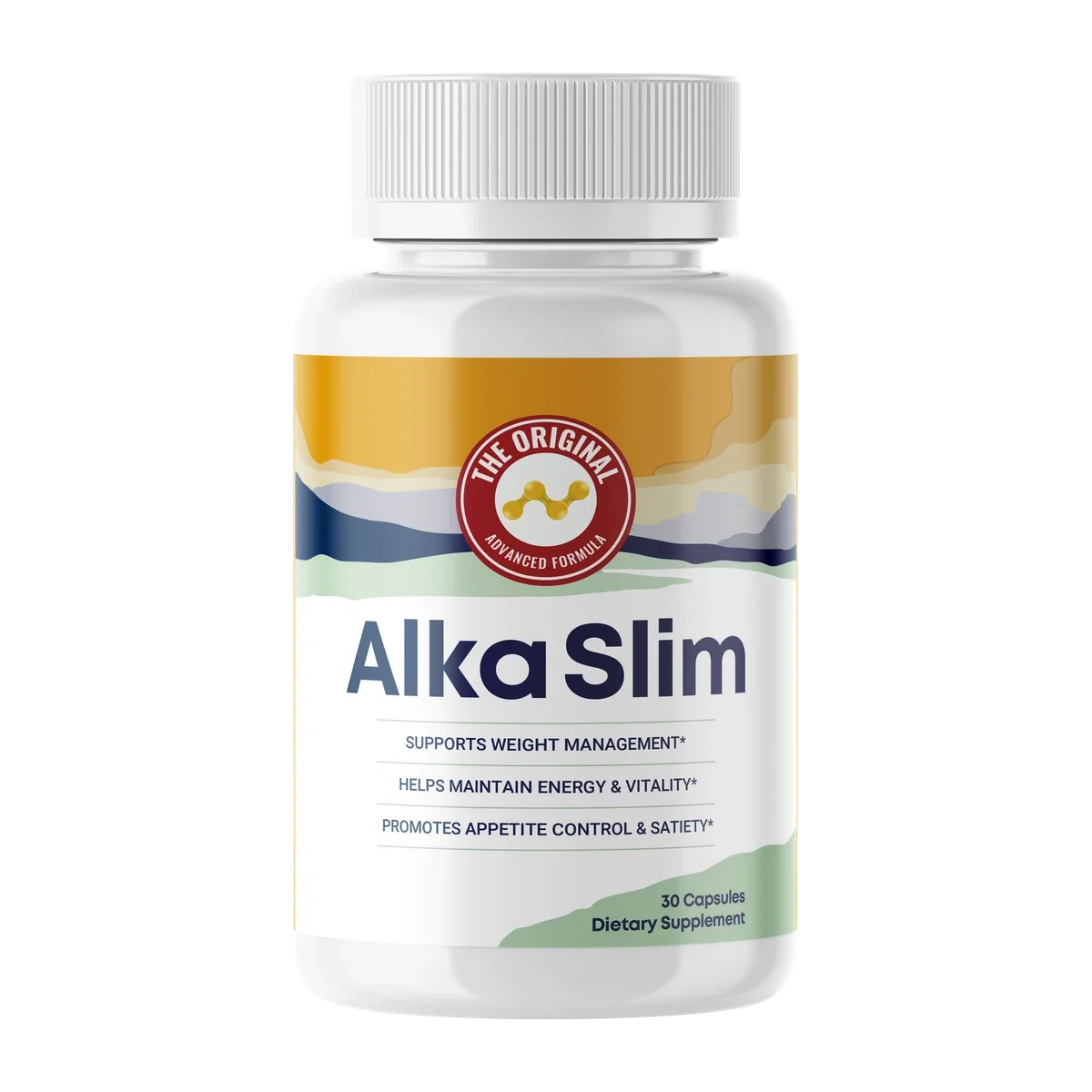
So how long does AlkaSlim take to work? The honest answer — the one that will actually protect you from quitting too early or expecting too much — is that two different clocks are running at once. One is fast: the appetite-blunting effect of the fiber can be felt within a few days. The other is slow: real, measurable weight change shows up over roughly four to twelve weeks, and only when your smaller appetite translates into eating less. Confuse the two clocks and you either give up in week one or feel cheated in week three. Understand them and you set expectations you can actually meet.
This is a supplement built on viscous fiber — konjac glucomannan and baobab — so its behavior is predictable. It is not a stimulant that spikes and crashes, and it is not a fat-burner that does the work for you. It is a satiety tool that makes a calorie deficit easier to hold, and satiety tools follow a well-documented pattern. Here is that pattern, week by week, with the research to back it and the caveats spelled out.
How long does AlkaSlim take to work, week by week
Days 1-7: the appetite clock. This is the fast effect. Taken 15 to 30 minutes before a meal with a full glass of water, the fiber absorbs water and swells into a gel, slowing stomach emptying so you arrive at the meal partly full. Many people notice within the first few days that they are satisfied with a bit less food, or that the between-meal snack urge is quieter. That "I'm not as hungry" feeling is the earliest, most reliable sign it is working — long before the scale confirms anything. You may also see a small early drop on the scale, but be careful how you read it (more on that below).
Weeks 2-4: the habit takes hold. If you have eased in properly, any early gas or bloating from adding fiber has usually settled by now, and the routine feels automatic. This is where the reduced appetite starts doing quiet work — smaller portions, fewer impulse snacks — and a genuine calorie deficit begins to build. The scale may start moving in a modest, unglamorous way. This is normal and it is the point; steady beats dramatic.
Weeks 4-12: the scale clock. This is where measurable fat loss accrues. In fiber research, the numbers are honest rather than flashy — one commonly cited trial saw participants lose about 3.8 kg over five weeks with a reduced-calorie diet plus glucomannan, versus about 2.5 kg on placebo. That gap — roughly a kilogram and change over five weeks — is the realistic shape of what a fiber suppressant adds on top of dieting. Give it the full window before you judge, because this is the clock that actually answers the question.
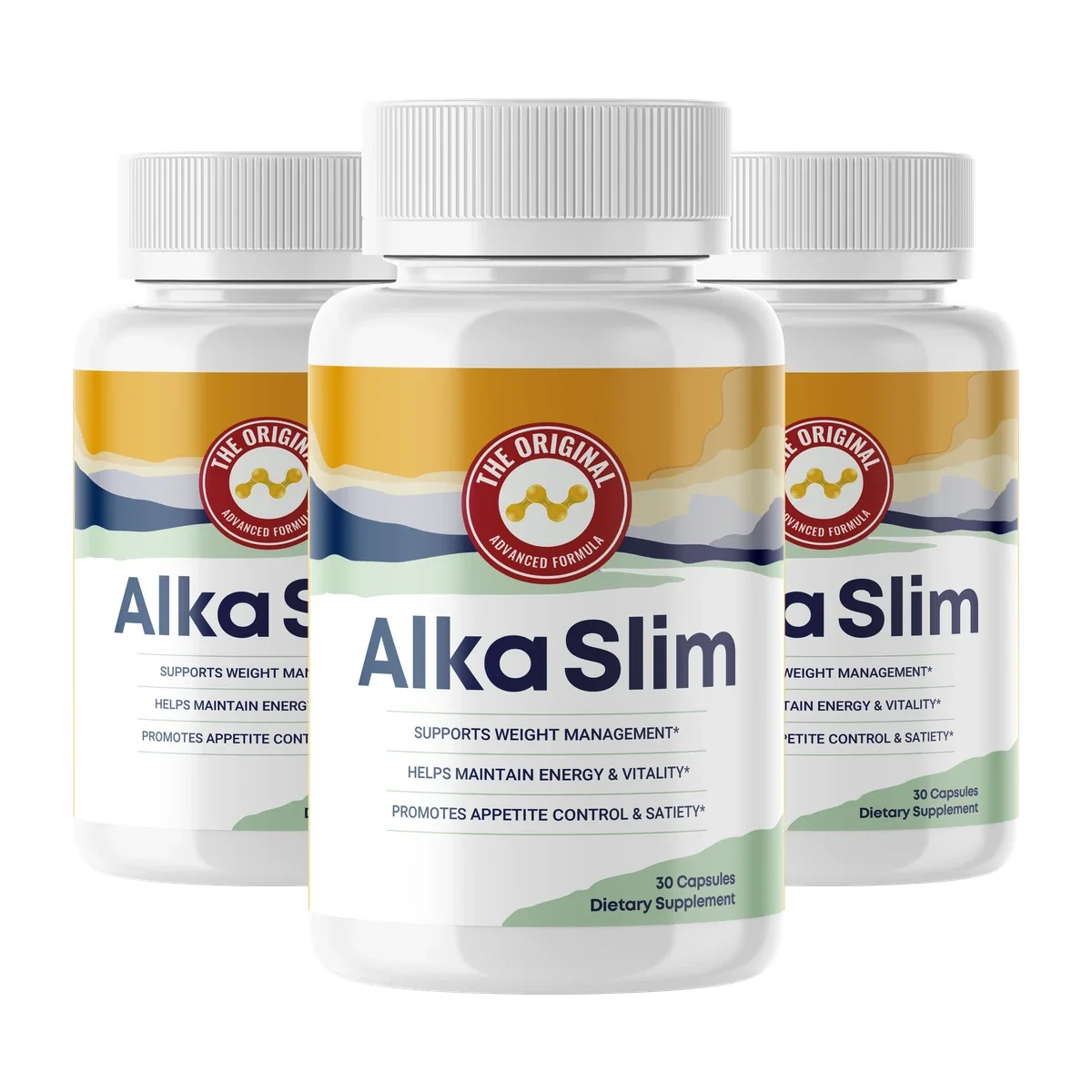
Is your early weight loss water or fat?
Here is a caveat that saves people a lot of confusion. If you see a satisfying drop in the first week or two, some of it is almost certainly water weight, not fat — especially if you also cut back on refined carbs when you started. Carbohydrate is stored in the body with water attached, so reducing it releases water quickly and the scale rewards you fast. That is not fake and it is not a bad thing; it is a normal, encouraging start. But it is not the same as the steady fat loss that comes later, and expecting week-one numbers to repeat every week is a recipe for disappointment. Genuine fat loss is slower and more linear, and it is what the four-to-twelve-week window is really measuring.
Why the timeline depends on you, not just the capsule
The most important thing to understand about how long AlkaSlim takes to work is that the capsule sets up the conditions — it does not create the result on its own. AlkaSlim reduces how hungry you feel. Whether that turns into weight loss depends entirely on whether the smaller appetite actually lowers your calorie intake. If you feel less hungry but eat the same amount out of habit, boredom or stress, the scale will not move no matter how many weeks pass. The fiber is a lever; you still have to pull it.
That is also why two people can take the same capsule and get very different timelines. Someone pairing it with a real calorie deficit, protein at meals, daily movement and decent sleep will see the four-to-twelve-week pattern play out. Someone using it as a permission slip to eat more may see nothing. This is not a knock on the product — it is true of every non-prescription appetite aid. If you want the fuller argument on whether the formula earns its place at all, our ingredient-by-ingredient look at whether AlkaSlim actually works is the honest companion to this timeline.
Ready to start your own 8-to-12-week trial?
AlkaSlim delivers konjac glucomannan and baobab fiber in a once-daily capsule with L-arabinose and spermidine. See current pricing and the 60-day guarantee on the official store.
Check AlkaSlim on the Official StoreThree objections, answered honestly
"I took it for a week and nothing happened." A week is the appetite clock, not the scale clock. If your hunger is quieter, it is working — the weight change simply has not had time to accrue. Judging a fiber supplement on seven days is like judging a savings plan after one paycheck. Give it eight to twelve weeks of consistent, before-meal use before you decide.
"The results sound small." They are honest, not small in the way that matters. An extra kilogram-plus over five weeks, sustained across a few months, adds up to a meaningful change — and it does so without stimulants or crash diets. Anyone promising you dramatic drops in days is overselling a fiber, and the crash that follows those promises is exactly what steady loss avoids.
"How do I know it's the capsule and not just my diet?" You often cannot fully separate the two, and that is fine — the point is the combination. The research gap between glucomannan-plus-diet and placebo-plus-diet is the honest measure of what the fiber adds. Use it as a tool that makes the diet easier to stick to, not as a standalone cause.
How to make AlkaSlim work faster
If you want to compress the timeline as much as it honestly can be compressed, the lever is not a higher dose — it is your diet and your consistency. Take the capsule reliably 15 to 30 minutes before your biggest meal, with a full glass of water, every single day. Keep a genuine calorie deficit; the fiber makes it easier, but the deficit is what actually burns fat. Prioritise protein so you stay full and protect muscle, move daily, and sleep enough that your hunger hormones are not working against you. Getting the mechanics exactly right matters more than people think — our step-by-step guide to how to take AlkaSlim for the best results covers the timing and water rules that make or break the effect.
What will not speed things up is doubling the capsules. AlkaSlim is a once-daily product, and more fiber at once mainly buys you gas and bloating, not faster fat loss. Stick to the label, be patient with the scale clock, and let the appetite clock do its quiet daily work.
What can slow your AlkaSlim timeline down
If the weeks are passing and the scale is stubborn, the timeline is almost never "broken" — something is quietly working against it. These are the usual culprits, and each is fixable:
- No real calorie deficit. This is the big one. A quieter appetite only helps if it actually leads to eating less. If portions have not come down, there is nothing for the weeks to add up to.
- Liquid calories. Sodas, juices, sweetened coffees and alcohol slip past the fullness the fiber creates, because the gel blunts solid-food hunger far more than it touches drinks. They can erase a deficit without ever making you feel full.
- Inconsistent dosing. Skipping days, or taking the capsule after meals, means the appetite clock never runs reliably — so the scale clock never gets its inputs.
- Under-sleeping. Short sleep raises hunger hormones and cravings, pushing your appetite back up faster than a fiber gel can pull it down. It is one of the most underrated brakes on any weight-loss timeline.
- Impatience. Weighing daily and reacting to every fluctuation invites you to quit during a normal plateau. Weigh weekly, judge the trend over a month, and let the four-to-twelve-week window finish.
Work through that list before you conclude the product is not for you. More often than not, the timeline was fine — one hidden variable was simply holding the scale in place.
A realistic timeline at a glance
- Days 1-7: appetite blunting and easier portions; possible early water-weight drop.
- Weeks 2-4: routine settles, any fiber bloating fades, a real deficit builds.
- Weeks 4-12: measurable, gradual fat loss — the window that answers the question.
- Judge at 8-12 weeks: a fair trial length, taken consistently with a reduced-calorie diet.
Related reading
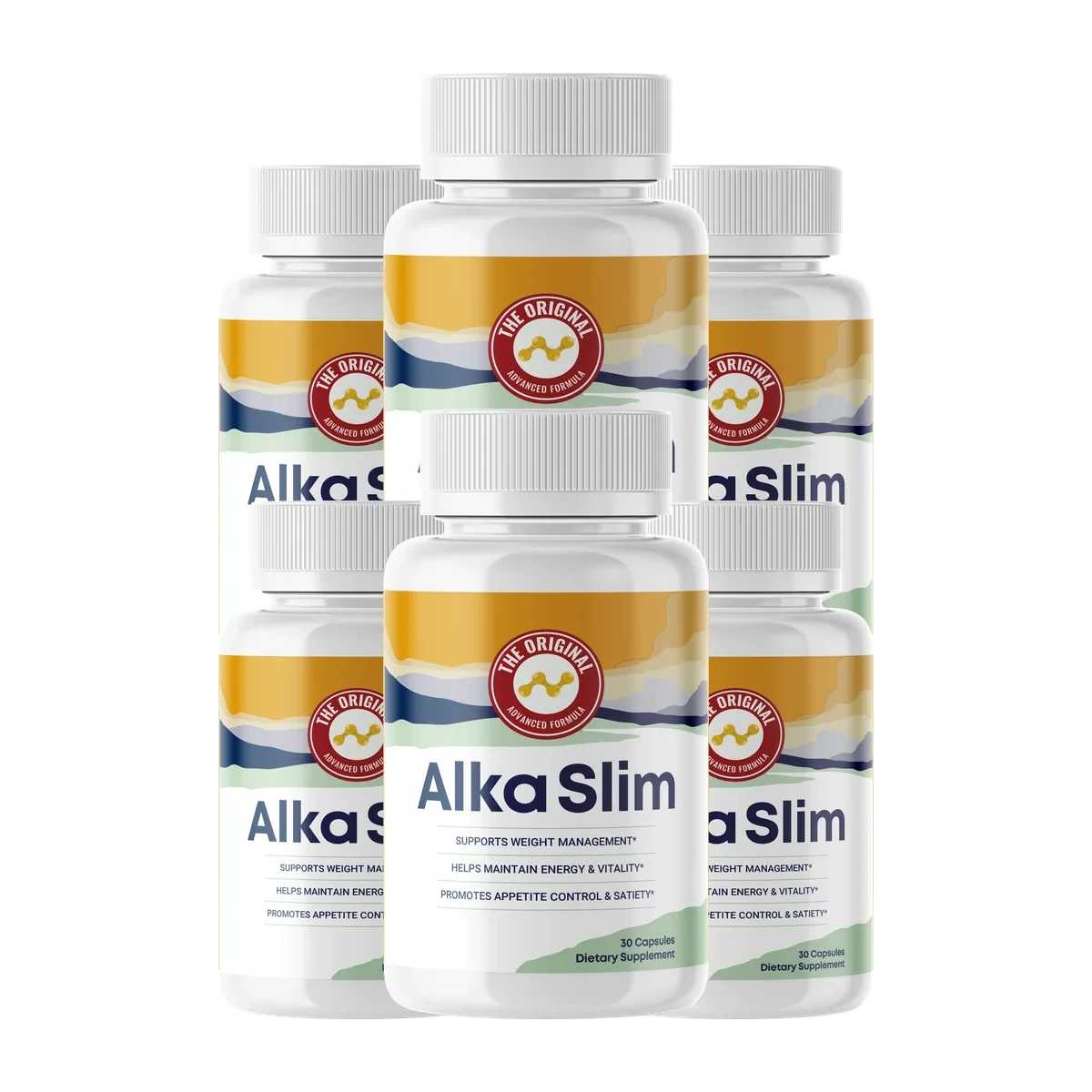
Give AlkaSlim a fair, full trial
A once-daily fiber capsule taken before your biggest meal, backed by a 60-day money-back guarantee. Prices and full terms are on the official store.
Order AlkaSlim From the Official StoreFrequently asked questions
How soon will I notice results with AlkaSlim?
The earliest sign — reduced appetite and feeling full on less food — can show up within a few days, because the fiber gel forms quickly. Measurable weight change is slower, usually appearing over about 4 to 12 weeks, and only when the smaller appetite actually lowers your calorie intake alongside a reduced-calorie diet.
Is early weight loss water weight or fat?
The first week or two of loss is often partly water, especially if you have also cut refined carbs, since carbohydrate stores hold water. That does not mean it is fake — it is a normal start. Genuine fat loss accrues more slowly over the following weeks as a real calorie deficit is sustained.
How long should I use AlkaSlim before judging results?
Give it a fair 8 to 12 week trial, taken consistently before meals with a reduced-calorie diet. Fiber studies typically run over several weeks — one showed about 3.8 kg lost over 5 weeks versus 2.5 kg on placebo. Judging on a few days guarantees disappointment; the scale clock is genuinely slow.
What can I do to speed up AlkaSlim results?
Take it consistently 15 to 30 minutes before your biggest meal with a full glass of water, keep a real calorie deficit, prioritise protein, move daily and sleep enough. AlkaSlim makes eating less easier, but the deficit does the fat loss. The lever that speeds results most is diet, not a higher dose.