Best Weight Loss Pills That Actually Work (2026)
Which weight loss pills actually work?
The best weight loss pills that actually work are the ones with real human trials behind them. Among over-the-counter options that means viscous-fibre satiety pills like glucomannan taken before meals. Prescription GLP-1 drugs outperform any supplement but need a doctor. Expect a modest few pounds from any pill, always paired with a calorie deficit.
- Fibre (glucomannan) at about 1g three times a day before meals is the best-studied OTC mechanism.
- Most stimulant "fat burners" lack good randomised-trial support at their real doses.
- Realistic supplement effect is roughly one to five pounds over months, never a substitute for eating less.
If you type "best weight loss pills" into a search bar, you get a wall of ranked lists that all somehow crown a different product, usually the one paying for the placement. This guide does something less profitable and more useful: it ranks the best weight loss pills by category, sorted by how strong the human evidence is, so you can see which mechanisms genuinely move the needle and which just move inventory. The honest news is that a pill can help. The equally honest news is that the help is modest and only shows up when the pill sits on top of a real calorie deficit.
We will go category by category, from the strongest evidence to the weakest, then land on the practical recommendation for most people looking at the over-the-counter shelf.
The evidence ranking, strongest to weakest
Tier 1 — Prescription GLP-1 medicines (not supplements). Let us be honest and put the strongest thing first, even though it is not a supplement and not the focus of this site. GLP-1 receptor agonists are genuine medicines that produce weight loss well beyond anything a capsule off the shelf can match. They also require a prescription, a prescriber, monitoring and, for many people, real out-of-pocket cost and side effects. If your situation is serious enough to warrant medication, that is a conversation with a doctor, not a purchase decision on a supplement page. Every over-the-counter option below is a fraction of this in effect size, and any product implying it rivals a prescription drug is lying to you.
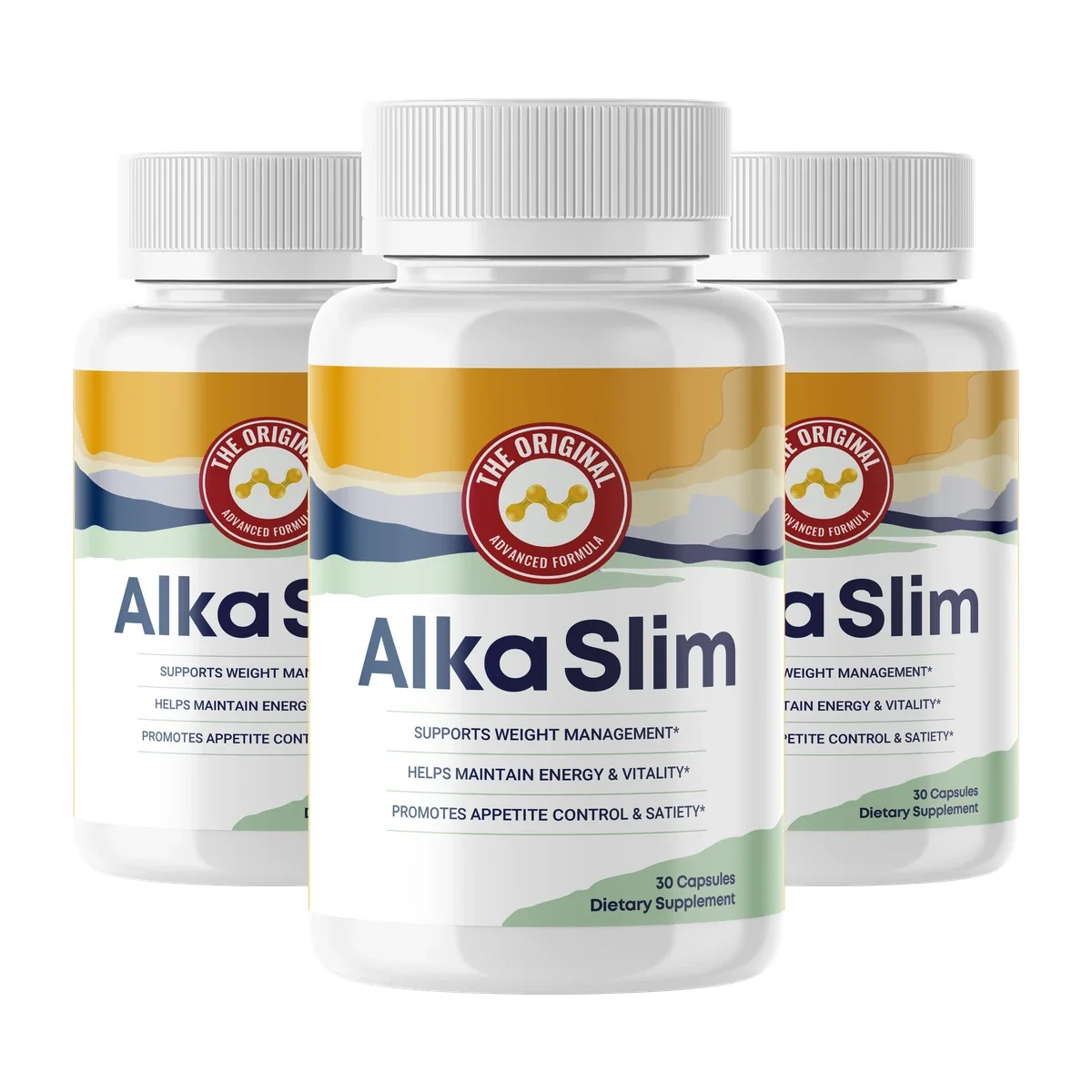
Tier 2 — Viscous fibre (glucomannan and relatives). This is the strongest over-the-counter category, and it is the one worth most of your attention. Viscous soluble fibre works by a physical mechanism: taken with water before a meal, it swells into a gel, slows how quickly the stomach empties, and increases fullness so you eat somewhat less. Because the mechanism is physical rather than stimulant, the safety profile is favourable and the evidence is comparatively consistent. The best-studied protocol is roughly one gram three times a day, before meals, with a full glass of water, inside a reduced-calorie diet. That is the fibre category that fibre-led products, including AlkaSlim, are built on.
Tier 3 — Specific plant and protein-adjacent aids. A scatter of ingredients has some human signal but weaker or narrower evidence: certain soluble fibres beyond glucomannan, green-tea catechins with a small metabolic effect, and blood-sugar modulators like L-arabinose that blunt sugar digestion. These can be reasonable supporting players in a formula. They are not headliners, and the honest read is "may help a little," not "proven to work alone."
Tier 4 — Stimulant fat-burners and proprietary blends. This is where most of the marketing money goes and most of the evidence disappears. Many fat-burners rely on caffeine and a rotating cast of extracts, often in "proprietary blends" that hide the dose. Caffeine has a small, short-lived effect on energy expenditure, but the category as a whole lacks good randomised trials at the doses actually sold, and the stimulant load can raise heart rate and blood pressure. Loud claims, quiet evidence.
Tier 5 — Everything with a testimonial and no trial. If a product's entire case is before-and-after photos, a countdown timer and a five-star wall, treat the evidence as zero until proven otherwise. Marketing is not data.
Why fibre-based satiety pills are the realistic pick
For most people shopping the over-the-counter shelf, the sensible choice is a fibre-based satiety pill, and the reasoning is about risk and realism as much as raw effect. Fibre does not spike your heart rate, it does not depend on a stimulant tolerance that fades, and it addresses the actual thing that derails most diets, which is hunger. A tool that makes a calorie deficit easier to sustain is worth more over six months than a stimulant that gives you a jittery week and then nothing.
The mechanism also explains why fibre works with your plan instead of promising to replace it. A gel in your stomach makes it easier to stop at one plate; it does nothing if you were never going to reduce intake in the first place. That is not a weakness of the evidence, it is the honest shape of it, and it is why we keep steering readers toward satiety-first products. If you want the deeper mechanism, our explainer on what actually works as a natural appetite suppressant walks through how viscous fibre and protein cut hunger.
Want the low-risk, best-studied category?
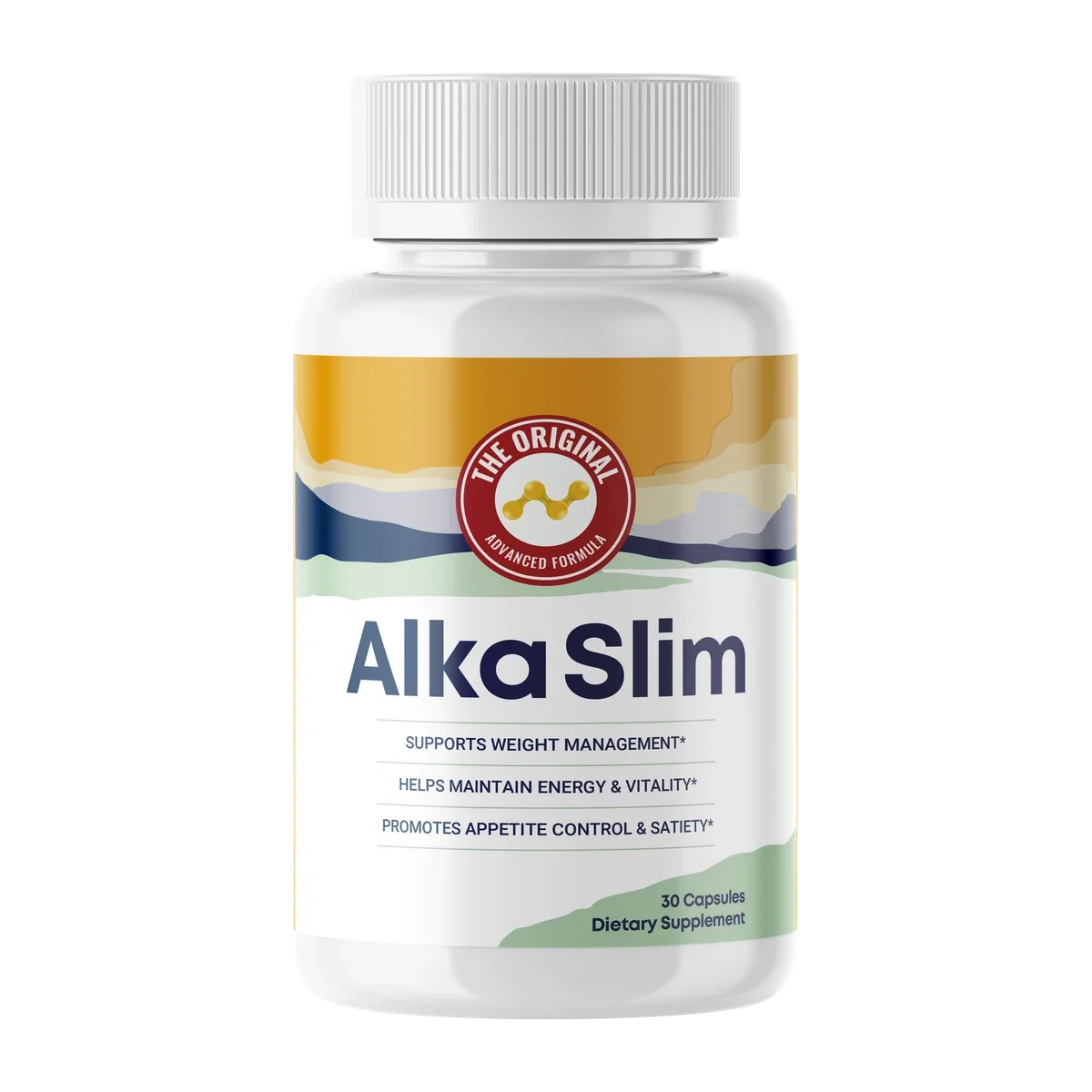
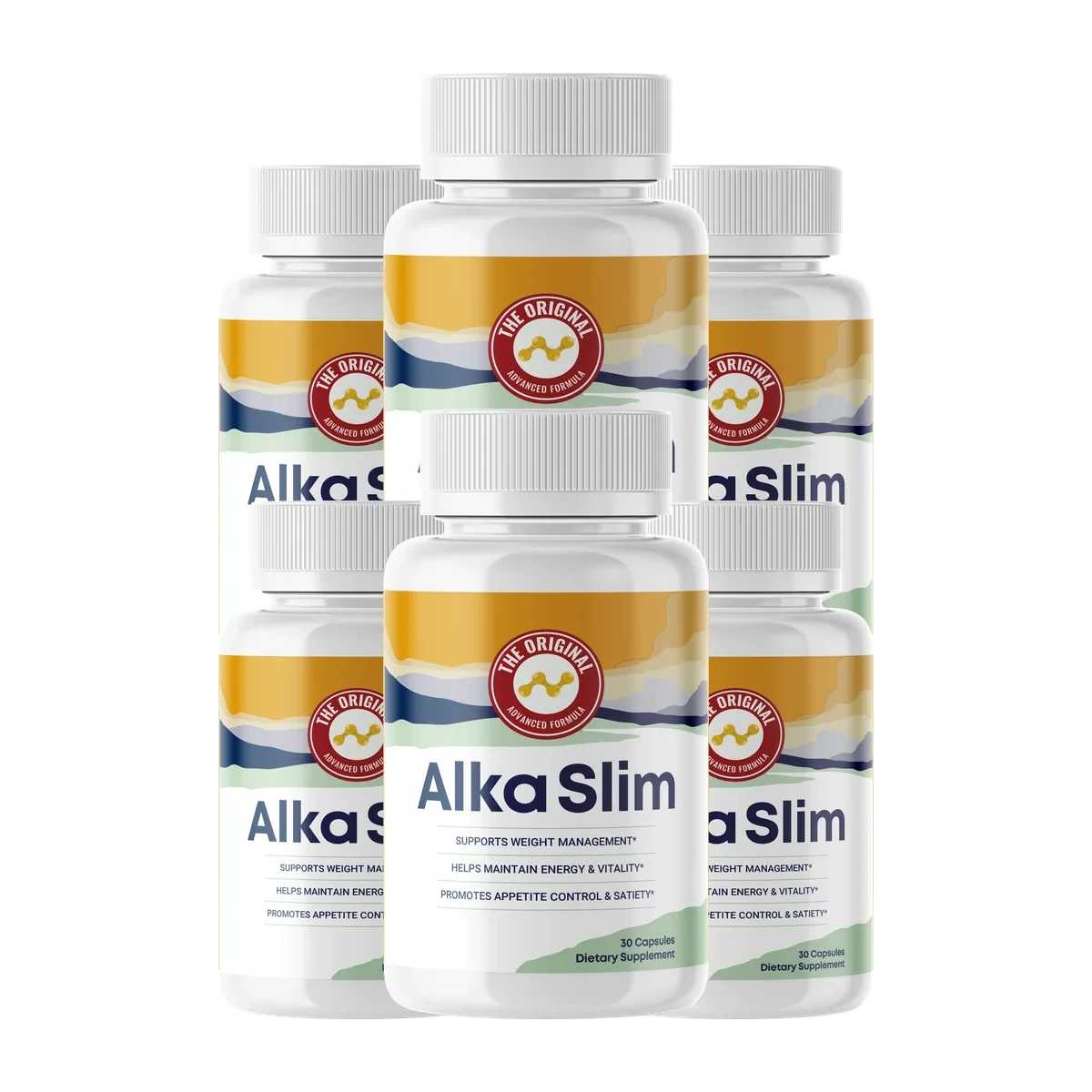
AlkaSlim is a fibre-led satiety capsule with konjac glucomannan on the label and a 60-day money-back guarantee. See the current tiers and terms on the official store.
See AlkaSlim On The Official StoreThree myths that sell the wrong pills
Myth: "The best pill burns fat while you sit still." No over-the-counter pill meaningfully burns fat on its own. The word "burner" is marketing. Fat loss is driven by an energy deficit; a pill can only nudge appetite or, marginally, energy expenditure. Any product selling passive fat-melting is selling the myth, not the mechanism.
Myth: "Natural means it works and it's safe." Natural says nothing about either. Ephedra was natural and dangerous; plenty of natural extracts do nothing at supplement doses. Judge a natural pill the same way you judge any pill, by the human trials behind its actual ingredients and doses, which is exactly why we rank by evidence and not by origin story.
Myth: "A proprietary blend must be potent." A proprietary blend is a label trick that lets a seller list impressive ingredients without telling you how much of each is inside. It is the opposite of a confidence signal. The best weight loss pills tell you the dose; the ones hiding it are usually hiding a token amount. When a fibre product does not print its milligrams, ask the seller before you buy.
How to choose without getting burned
Reduce the whole noisy category to a short checklist. First, favour a mechanism with human trials, which in practice means viscous fibre for the OTC shelf. Second, prefer products that disclose the dose, or that will tell you the milligrams if you email and ask. Third, insist on a real guarantee so a failed personal experiment costs you time, not money. Fourth, match the pill to your plan, because none of them work without a calorie deficit, and the good ones simply make that deficit easier to hold. Fifth, if you take medication or have a health condition, clear any pill with a pharmacist first, since even fibre can slow the absorption of drugs taken at the same time.
Run any product through that filter and the ranked-list noise collapses into a clear picture. Most fat-burners fail on evidence. Most blends fail on disclosure. A fibre-led satiety pill with a guarantee passes the filter, which is why, for a supplement shopper who wants something realistic and low-risk, it is our standing recommendation. If you want to see how one such product holds up under scrutiny, our plain look at whether AlkaSlim actually works applies this same evidence lens to a single formula.
What to pair any pill with
Even the best-evidenced pill is a supporting actor, so the biggest returns come from what you pair it with. Anchor the plan on a modest, sustainable calorie deficit rather than a crash diet, because a deficit you can hold for months beats an extreme one you abandon in a week. Build meals around protein and whole-food fibre so your appetite is already working with you before any capsule arrives. Add resistance training a couple of times a week to protect muscle while you lose fat, since muscle is what keeps your metabolism from sagging as the scale drops. Prioritise sleep, because short sleep reliably ramps up hunger hormones and undoes a suppressant's work. Against that backdrop a fibre-led satiety pill has a real job to do, smoothing the hardest part, which is the hunger that shows up between good intentions and dinner. Against no backdrop at all, no pill has ever worked, and no honest seller will tell you otherwise.
It is also worth being patient in the right way. Fibre effects are gradual, so judge a satiety pill over weeks, not days, and give any product enough runway to show whether it actually blunts your appetite before you decide. That is exactly why a genuine money-back guarantee matters: it lets you run a fair personal trial without gambling your money on the marketing's promises.
The honest bottom line
The best weight loss pills that actually work are unglamorous. The strongest option is a prescription medicine that lives in a doctor's office. The strongest thing you can buy off the shelf is a viscous-fibre satiety pill taken before meals, and its job is to shave the edge off hunger so your calorie deficit survives contact with real life. Expect a modest few pounds over months, expect to still do the work, and treat any capsule that promises more as a marketing problem rather than a solution. Choose on evidence, insist on disclosure, keep the guarantee, and you will end up with one of the few pills that earns its place instead of one of the many that empties your wallet.
Frequently asked questions
What is the best weight loss pill that actually works?
For over-the-counter options, a viscous-fibre pill such as glucomannan taken before meals is the best-studied and lowest-risk choice, because it works by a physical satiety mechanism rather than a stimulant one. The single most effective category overall is prescription GLP-1 medication, but that requires a doctor and a prescription and is not sold as a supplement pill.
Do over-the-counter weight loss pills work?
Some do, modestly, and most do not. Fibre-based satiety pills have real human trials showing a small edge over placebo when paired with a calorie deficit. Most stimulant fat-burners and proprietary blends lack good randomised trials at the doses they contain. Any honest expectation is a few extra pounds, not a transformation, and only alongside diet and activity.
Are natural weight loss pills safe?
Fibre-based natural pills are generally well tolerated, with bloating or gas the usual complaints, though viscous fibre must be taken with plenty of water to avoid a choking risk. Stimulant-heavy natural products can raise heart rate and blood pressure and are riskier. Always check with a pharmacist or doctor if you take medication or have a health condition before starting any pill.
How much weight can pills realistically help you lose?
For supplement pills, the realistic added effect is roughly one to five pounds over several months, and only on top of a calorie deficit rather than instead of one. Prescription GLP-1 drugs can do far more, but they are medicines, not supplements. Anyone promising rapid double-digit loss from a capsule alone is selling hype, not evidence.
Related reading
- Over-the-counter weight loss pills: a buyer's guide to what's real
- Natural appetite suppressant: what really works for hunger control
- Does AlkaSlim actually work? An evidence-based breakdown
Try the best-studied category, risk-guarded
A fibre-led satiety pill with a 60-day money-back guarantee is the realistic starting point. Check AlkaSlim's current pricing and guarantee terms on the official store.
Order From The Official Store