Over-the-Counter Weight Loss Pills: A 2026 Buyer's Guide
What weight loss pills can you buy over the counter?
Over the counter weight loss pills fall into a few groups: viscous fibers such as glucomannan, stimulant-based fat burners built on caffeine, and one FDA-approved OTC drug, orlistat (Alli), which blocks some dietary fat. Everything sold as a dietary supplement is unapproved by design, so the label is your only evidence of what you are actually buying.
- Supplements are not pre-approved by the FDA, so verify the formula yourself instead of trusting the marketing.
- Look for per-ingredient milligram doses, not a single proprietary-blend total that hides the split.
- Realistic results are modest, and every credible option assumes a reduced-calorie diet alongside it.
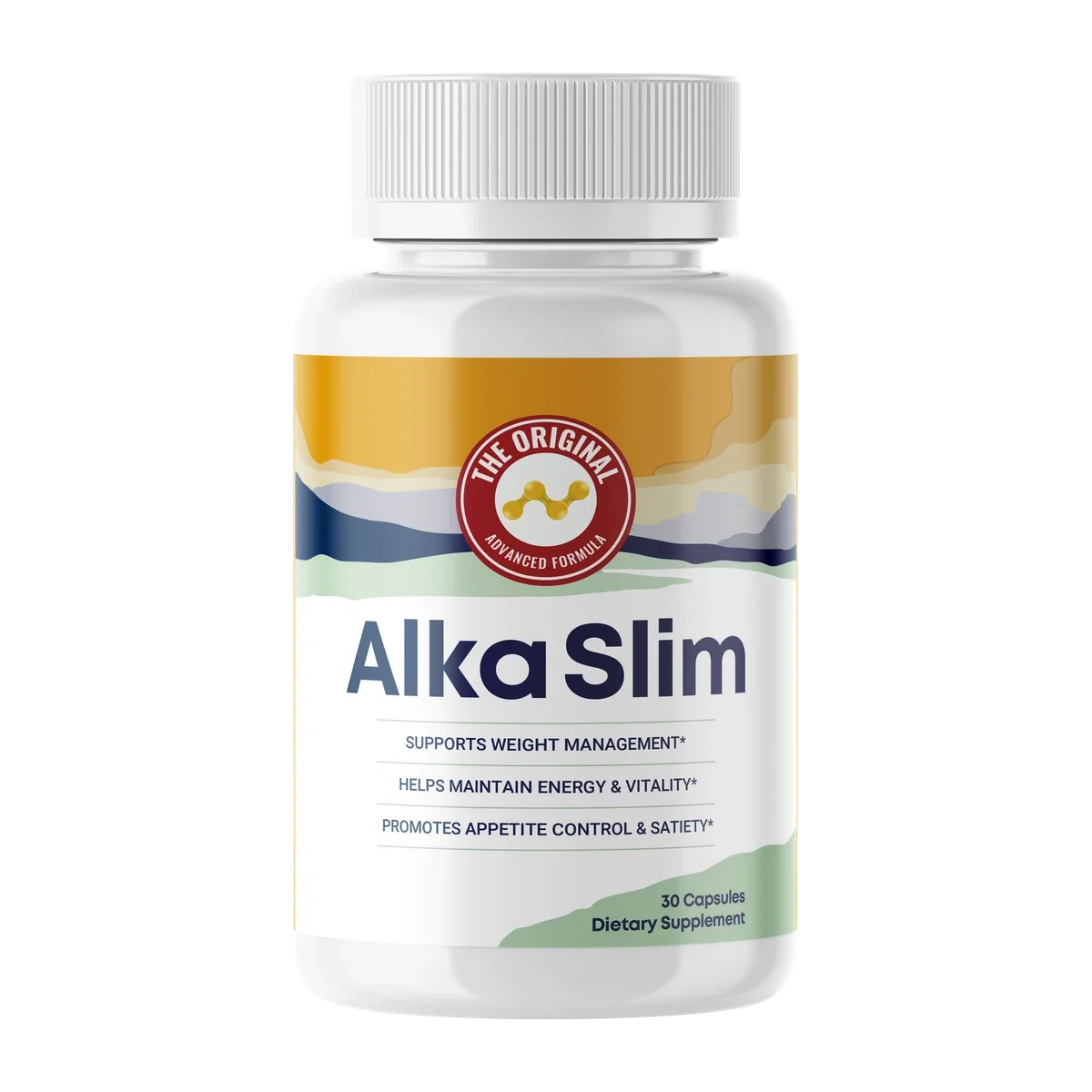
If you have ever stood in a pharmacy aisle scanning a wall of bottles, you already know the problem with over the counter weight loss pills: every one of them promises the same outcome, and almost none of them make it easy to compare what is actually inside. The bold type on the front is marketing. The truth, such as it is, sits in small print on the back — and learning to read that small print is the single most valuable skill a weight-loss shopper can build. This guide is about that skill: what "over the counter" really means in 2026, which categories of pill exist, how to decode a label, and why a transparent, single-purpose formula usually beats a mystery blend with a longer ingredient list.
We are an independent review site that reads labels and primary research rather than sales pages, and we are upfront that we earn affiliate commission through our links. That disclosure is exactly the mindset this article asks you to bring to every product you consider, ours included.
How over the counter weight loss pills are regulated
Here is the fact that reframes everything else: in the United States, over the counter weight loss pills sold as dietary supplements are not reviewed or approved by the FDA before they reach the shelf. This is not a loophole or an oversight — it is how the Dietary Supplement Health and Education Act of 1994 designed the category. A manufacturer can formulate a product, print a label, and start selling, all without submitting a single efficacy study for pre-market approval. The FDA's power is largely reactive: it can pull a product or warn a company after a problem surfaces, but it does not vet the bottle before you buy it.
That is very different from a prescription drug, which must clear randomized clinical trials for both safety and effectiveness before approval. It is also different from the one genuine OTC weight-loss drug on the market, orlistat, sold at half strength as Alli, which went through the drug approval process. The moment a product is labelled a "dietary supplement," you should mentally file it under "unproven until the label and evidence prove otherwise" — not because supplements never work, but because nobody has been required to demonstrate that this particular one does.
Two labels commonly get mistaken for approval and are not. "FDA-registered facility" describes where a product is manufactured; it says nothing about whether the product works or is safe. "GMP" (Good Manufacturing Practice) is a genuine and worthwhile standard for how consistently a facility makes things, but it, too, is about process, not about proof that the formula delivers weight loss. Both are worth having. Neither is the FDA endorsing the pill.
The main categories of OTC pill
Strip away the branding and almost every over-the-counter option falls into one of a handful of buckets. Knowing which bucket you are looking at tells you more than any product name.
- Viscous fibers. Glucomannan (from konjac root), psyllium and similar soluble fibers absorb water and form a gel that slows stomach emptying and blunts appetite. The mechanism is physical, so it scales with dose — a point we return to below. This is the category AlkaSlim sits in.
- Stimulant "fat burners." Built around caffeine, green tea extract, or synephrine, these lean on a small, temporary bump in energy expenditure and appetite suppression. They can also raise heart rate and blood pressure and disturb sleep, which matters if you are caffeine sensitive.
- Metabolic / glycemic ingredients. Berberine, chromium and cinnamon extract are marketed around blood-sugar and metabolism. The evidence varies widely by ingredient; we compare the strongest of these against fiber in our piece on berberine versus glucomannan for weight loss.
- Fat and carb "blockers." Orlistat is the real, tested version of this idea and is a drug, not a supplement. White kidney bean extract and similar supplement ingredients make gentler versions of the claim with far thinner evidence.
How to read the label like a skeptic
This is the heart of the guide. When you turn a bottle over, you are looking for one thing above all: per-ingredient milligram doses, not a single number for a "proprietary blend."
A proprietary blend is a legal way to list several ingredients together under one combined weight — say, "Metabolic Blend 900 mg" — without telling you how those 900 milligrams are split. That formatting lets a manufacturer put a headline-grabbing ingredient first (so it appears prominent) while including only a trace of it, padding the rest of the blend with something cheap. If you cannot see the milligrams of the ingredient you actually care about, you cannot compare the product to the research on that ingredient. The blend total is designed to satisfy your curiosity while withholding the one figure that matters.
Glucomannan is the cleanest illustration of why the number matters. Because its effect is a physical gel, it only works in quantity. European regulators tied the authorised weight-management wording to roughly three grams a day, split into three one-gram doses taken with water before meals, inside an energy-restricted diet. A product that names glucomannan but hides the amount cannot be measured against that intake — and a one-capsule-a-day product physically cannot hold three grams of anything. If you want the full breakdown of what the trials used, we walk through it in how much glucomannan the research actually uses.
So your label checklist, in order:
- Is there a Supplement Facts panel at all? If a store cannot show you one, that is your answer.
- Are ingredients listed with individual milligram amounts, or hidden inside a blend total?
- Do those amounts line up with the doses used in research on that ingredient?
- Is there a manufacturing standard (GMP) and a clear serving size and directions?
- Are the stimulant contents disclosed, so you know your total daily caffeine?

Why a transparent fiber formula beats a mystery blend
Put the two philosophies side by side. A "mystery blend" fat burner might list twelve ingredients under two proprietary blends, front-loaded with names you half-recognise, none of them dosed on the label. A single-purpose fiber formula does one job — creating satiety-boosting viscosity — with a mechanism you can understand and, if the amount is disclosed, verify against research.
The transparent option wins for reasons that have nothing to do with marketing romance and everything to do with risk. A longer ingredient list is not a bonus; it is more chances for an interaction, more stimulant load you did not intend, and more places for a trace-dose ingredient to hide behind a blend total. A focused formula is easier to reason about, easier to ask a pharmacist about, and easier to hold accountable, because there is only one question to answer: is there enough of the active ingredient to matter?
That question is exactly the one to put to any fiber product, AlkaSlim included. The mechanism is sound and the ingredient is well-chosen; the open question with any single-capsule-a-day product is whether the amount reaches the studied range. A store confident in its own formula can answer that in one line, and you are entitled to ask before you commit to a multi-bottle supply.
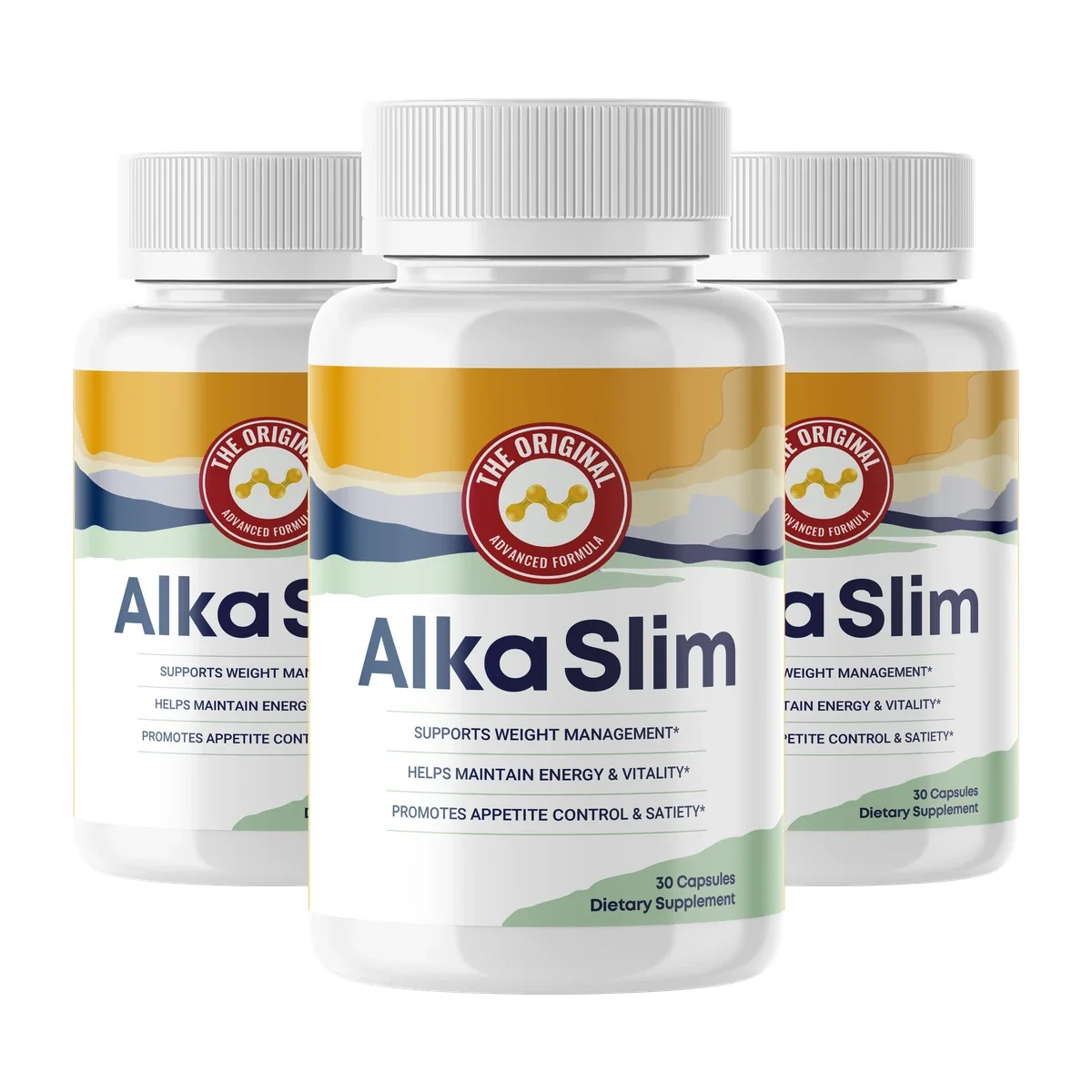
A single-purpose fiber option
AlkaSlim is a once-daily konjac glucomannan fiber capsule with a 60-day money-back guarantee. See the current pricing and full terms on the official store, and ask about the per-capsule amount before you buy.
See AlkaSlim On The Official StoreThree myths worth clearing up
Myth 1: "If it's sold over the counter, the FDA must have checked it." As covered above, the opposite is true for supplements — no pre-market approval exists. Selling legally and being proven effective are two entirely different bars, and only the first has been cleared.
Myth 2: "More ingredients means it works harder." A dense label often signals the reverse: with a fixed amount of powder in a capsule, every ingredient added means less room for the others. Twelve names sharing one small capsule frequently means a pinch of each. One well-dosed ingredient beats twelve underdosed ones every time.
Myth 3: "A good pill works even if I don't change how I eat." No credible over-the-counter option is a substitute for a calorie deficit. Fiber helps you eat less by increasing fullness; stimulants nudge energy expenditure slightly; blockers remove a fraction of what you consume. All of them are helpers around the edges of diet and activity. Expecting a pill to carry the whole result is the fastest route to disappointment and to abandoning something that might have quietly helped.
OTC versus prescription: an honest comparison
People often ask which is simply "better," and the honest answer is that they are different tools for different situations.
| Factor | OTC supplements | Prescription medicines |
|---|---|---|
| Approval | No pre-market FDA approval | Approved after clinical trials |
| Typical effect size | Modest; diet-dependent | Generally larger |
| Access | Buy directly, no visit | Requires medical criteria and a prescriber |
| Cost & commitment | Lower cost, low commitment | Higher cost, medical follow-up |
| Oversight | Self-directed; ask a pharmacist | Monitored by a clinician |
If you have significant weight to lose or a related health condition, the prescription conversation with a doctor is the one worth having first. If you are looking for a low-commitment support tool to pair with a diet you are already changing, a transparent OTC option is a reasonable place to start — provided you have verified the dose and cleared it against any medication you take.
Buying safely: a short pre-order checklist
Before you order any over-the-counter weight loss pill, run through five quick checks. Can you see a full Supplement Facts panel with per-ingredient milligrams? Do those amounts match the research on the ingredient? Is your total stimulant load disclosed and tolerable for you? Have you checked interactions with your prescriptions with a pharmacist? And is there a real refund policy you have actually read — including any requirement to return empty bottles within a window? If you take viscous fiber specifically, follow the label's water instruction exactly: swallow it upright with a full glass of water, because the same gel that curbs appetite is a choking hazard with too little liquid. For a fuller rundown of what can go wrong, read our guide to common weight loss supplement side effects before you start anything new.
Related reading
Frequently asked questions
What weight loss pills can you buy over the counter?
Over the counter weight loss pills fall into a few groups: viscous fibers such as glucomannan, stimulant-based fat burners built on caffeine, and one FDA-approved OTC drug, orlistat (Alli), which blocks some dietary fat. Everything sold as a dietary supplement is unapproved by design, so the label is your only evidence of what you are actually buying.
Do OTC weight loss pills need FDA approval?
No. Dietary supplements are not reviewed or approved by the FDA before they go on sale. The manufacturer is responsible for safety and honest labelling, and the FDA can only act after a product is already on the market. That is why an ingredient list without amounts tells you very little about what a capsule contains.
How do I know if a weight loss pill is safe?
Read the Supplement Facts panel for per-ingredient milligram doses rather than a single proprietary-blend total, check for a manufacturing standard such as GMP, be cautious with stimulant-heavy formulas if you are caffeine sensitive or take medication, and ask a pharmacist or doctor before combining a supplement with any prescription.
OTC vs prescription weight loss pills: which is better?
Prescription medicines are tested in clinical trials and prescribed for defined medical criteria, and their effect sizes are generally larger. OTC supplements are lower-commitment and lower-cost support tools whose realistic results are modest and depend on a reduced-calorie diet. Neither replaces diet and activity, and the right choice depends on your health, goals and medical guidance.
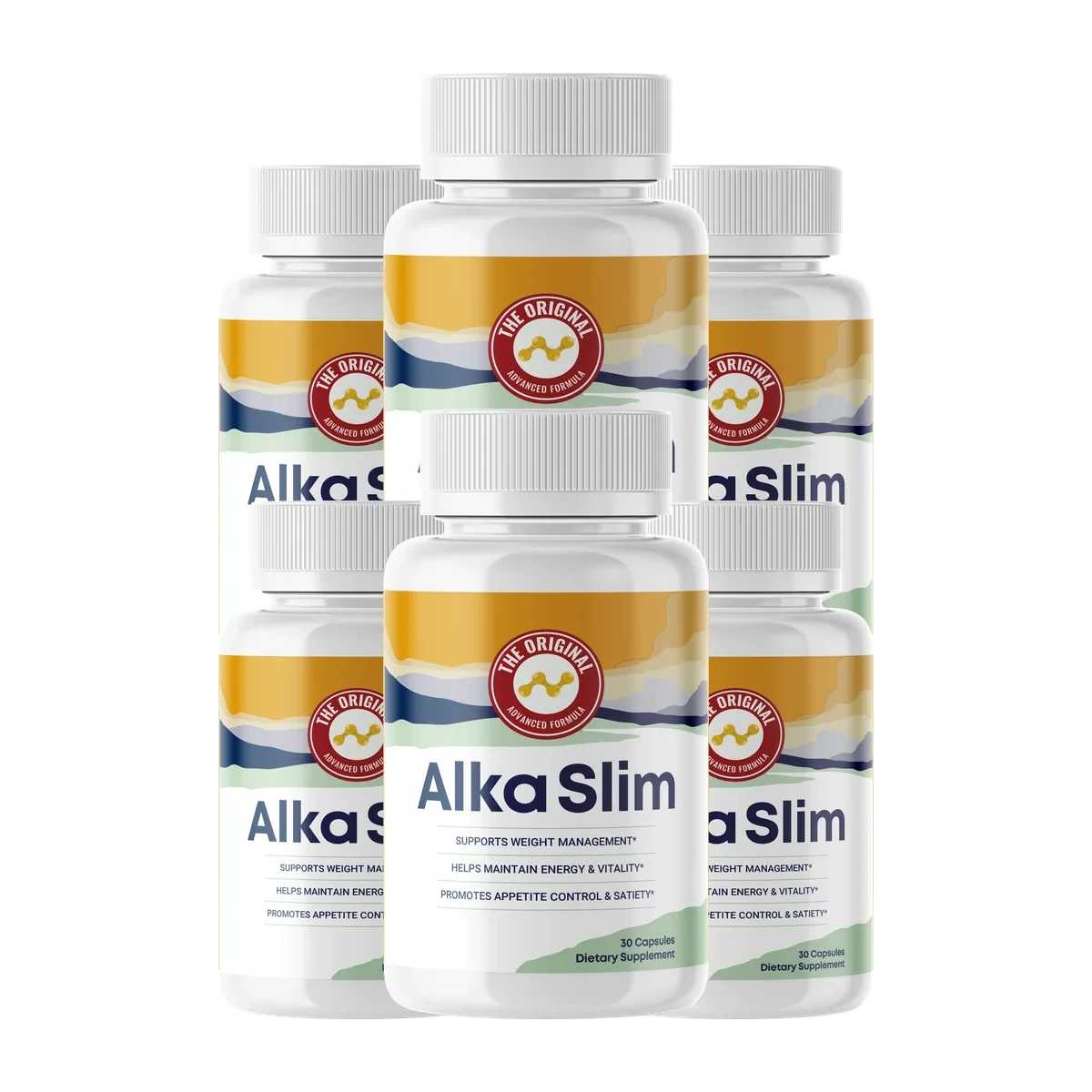
Ready to compare AlkaSlim yourself?
Put it through the checklist in this guide: a single-purpose konjac glucomannan fiber capsule, once daily, backed by a 60-day money-back guarantee. Current pricing and full terms are on the official store.
Order From The Official Store