Konjac Glucomannan: How Much Does the Research Actually Use?
The short version
Konjac glucomannan works by absorbing water and forming a viscous gel in the stomach and small intestine. Because the effect is a physical one, it scales with how much you take — which is why the European Food Safety Authority tied its authorised weight-management wording to a specific daily intake, split into doses taken with water before meals. AlkaSlim names the ingredient and publishes no amount at all.
- The mechanism is physical: water is absorbed, a gel forms, gastric emptying slows and fullness increases. Amount and water are the mechanism, not incidental to it.
- EFSA's authorised wording for weight management is built on three grams a day, taken as three separate one-gram doses with one to two glasses of water before meals, inside an energy-restricted diet.
- AlkaSlim is one capsule a day, sharing that capsule with three other named ingredients, and the manufacturer publishes no figure for any of them.
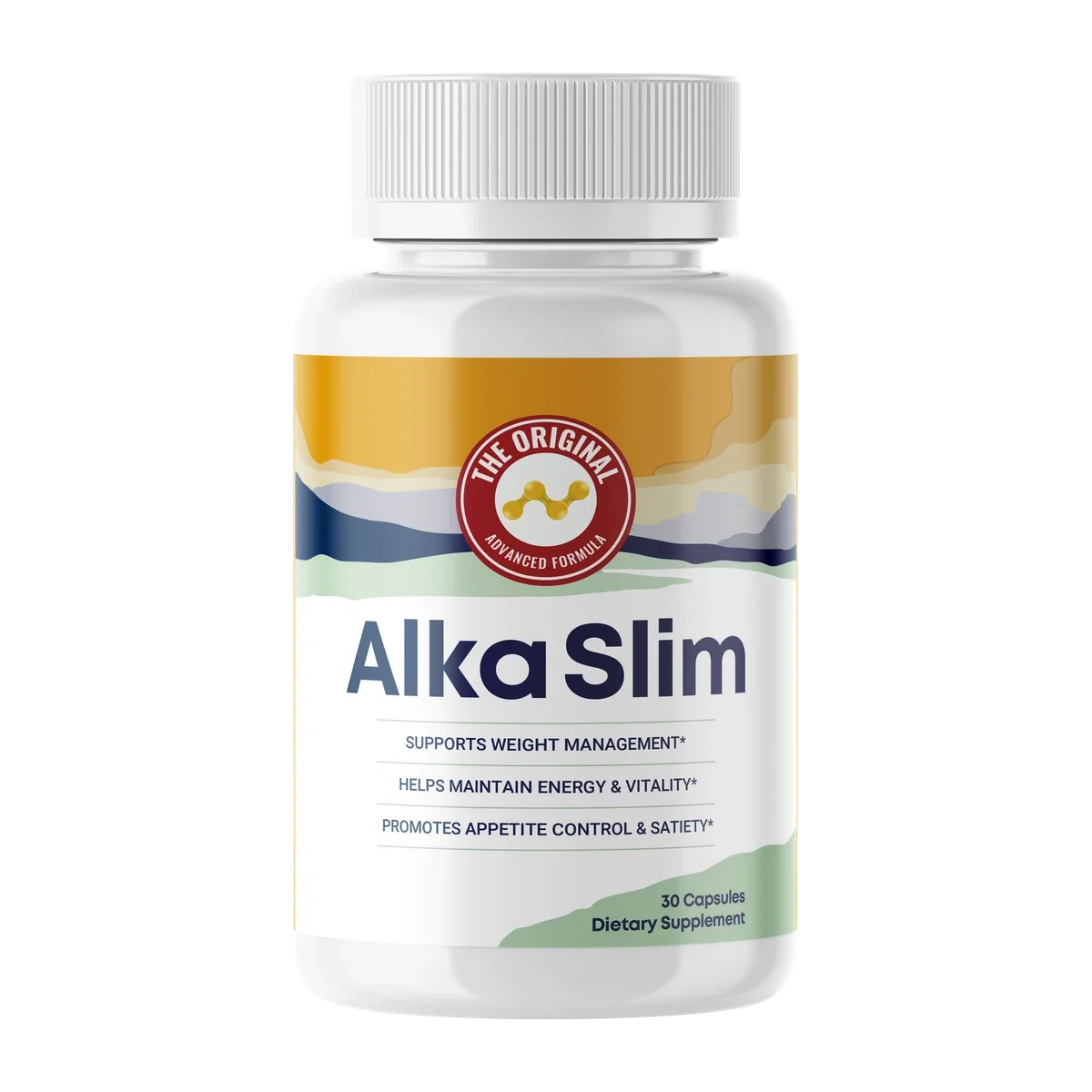
What konjac glucomannan actually is
Glucomannan is a water-soluble polysaccharide extracted from the tuber of Amorphophallus konjac, a plant that has been eaten in East Asia for centuries as konjac flour, shirataki noodles and konnyaku jelly. In a supplement it arrives as a fine powder. Its defining property is hydration: it takes up a great deal of water relative to its own weight and turns into a thick, slow-moving gel.
That is not a metaphor for how it works. It is how it works.
Why the amount is the mechanism
Most supplement ingredients act biochemically — they bind a receptor, inhibit an enzyme, donate a cofactor. Glucomannan acts physically. Swallowed with water, it forms a viscous mass that slows the rate at which the stomach empties, which is what people are describing when they report feeling full for longer. A slower, more gradual delivery of food into the small intestine also flattens the rise in blood glucose after a meal.
Both of those effects depend on producing enough viscosity to matter. A physical mechanism scales with quantity in a way a receptor-binding mechanism does not: you cannot get a meaningful gel from a trace. This is exactly why an ingredient list that names glucomannan without an amount tells you very little. The name establishes that the manufacturer knows what the interesting ingredient in this category is. It establishes nothing about whether the product contains a useful quantity of it.
The number the regulators settled on
Europe is the useful reference point here, because the European Food Safety Authority assessed glucomannan and weight management and then wrote the permitted claim wording around a specific intake rather than around the ingredient in the abstract. The authorised condition of use is three grams a day, taken as three separate one-gram doses with one to two glasses of water before meals, in the context of an energy-restricted diet.
Three details in that sentence deserve attention, because supplement marketing routinely drops all three:
- Three grams a day, not a pinch. That is the intake the assessment was built on.
- Split into three doses before meals. The gel has to be present when food arrives. One dose a day is a different protocol from the one that was assessed.
- Inside an energy-restricted diet. The claim was never that fibre replaces eating less. It was that fibre helps alongside eating less.
Alongside the claim sits a mandatory warning, and it is the reason the water instruction exists: products containing glucomannan have to warn about the risk of choking, and to tell people with swallowing difficulties, or anyone taking it with inadequate fluid, not to use it. That is a regulator treating this ingredient's swelling as a real hazard, not a footnote.
What that means for a one-capsule-a-day product
AlkaSlim's directions are one capsule daily with a full glass of water, preferably before a meal, at 30 capsules a bottle. The manufacturer's visible copy names four ingredients — Baobab Fiber, L-Arabinose, Spermidine and Konjac Glucomannan — and publishes no Supplement Facts panel and no amount for any of them.
We are not going to tell you what is in the capsule, because we do not know and neither does anyone else outside the manufacturer. What we can point out is that the largest capsule shells in common use hold on the order of a gram of powder in total, and that whatever is in this one is shared between four named ingredients. Set that beside a three-gram-a-day reference intake split across three doses, and you have a question worth asking the seller before you order a six-bottle supply. A store that knows its own formula can answer it in one line.
Note carefully what the question is not. It is not "does fibre work" — viscous fibre has a real, if modest, evidence base as a satiety aid alongside a reduced-calorie diet. It is "how much is in here", and it has no published answer.
Why the water instruction is a safety instruction
If you take any glucomannan product, take it exactly as the label says: with a full glass of water, sitting upright, and finish the glass. The gel that makes the ingredient interesting is the same gel that makes it a swallowing hazard when there is not enough liquid to carry it down. Anyone with a swallowing difficulty, a stricture, or any narrowing or motility disorder of the throat, oesophagus, stomach or bowel should not take a viscous fibre without medical advice.
There is a second, duller practical point: viscous fibre can slow the absorption of medication taken at the same time. If you take anything on a fixed schedule, ask a pharmacist how to space it. This is routine advice for fibre supplements generally and it applies here.
The one question worth asking before you buy six bottles
Email the store and ask for the Supplement Facts panel, and specifically for the milligrams of konjac glucomannan per capsule. Everything else about this product follows from the answer. If it arrives and the figure is substantial, you can compare it against the reference intake above yourself. If no panel arrives, you have learned something useful for the price of an email — and the 60-day guarantee is worth reading closely before you rely on it, because the manufacturer's stated process requires you to return all products, including empty bottles, within the window.
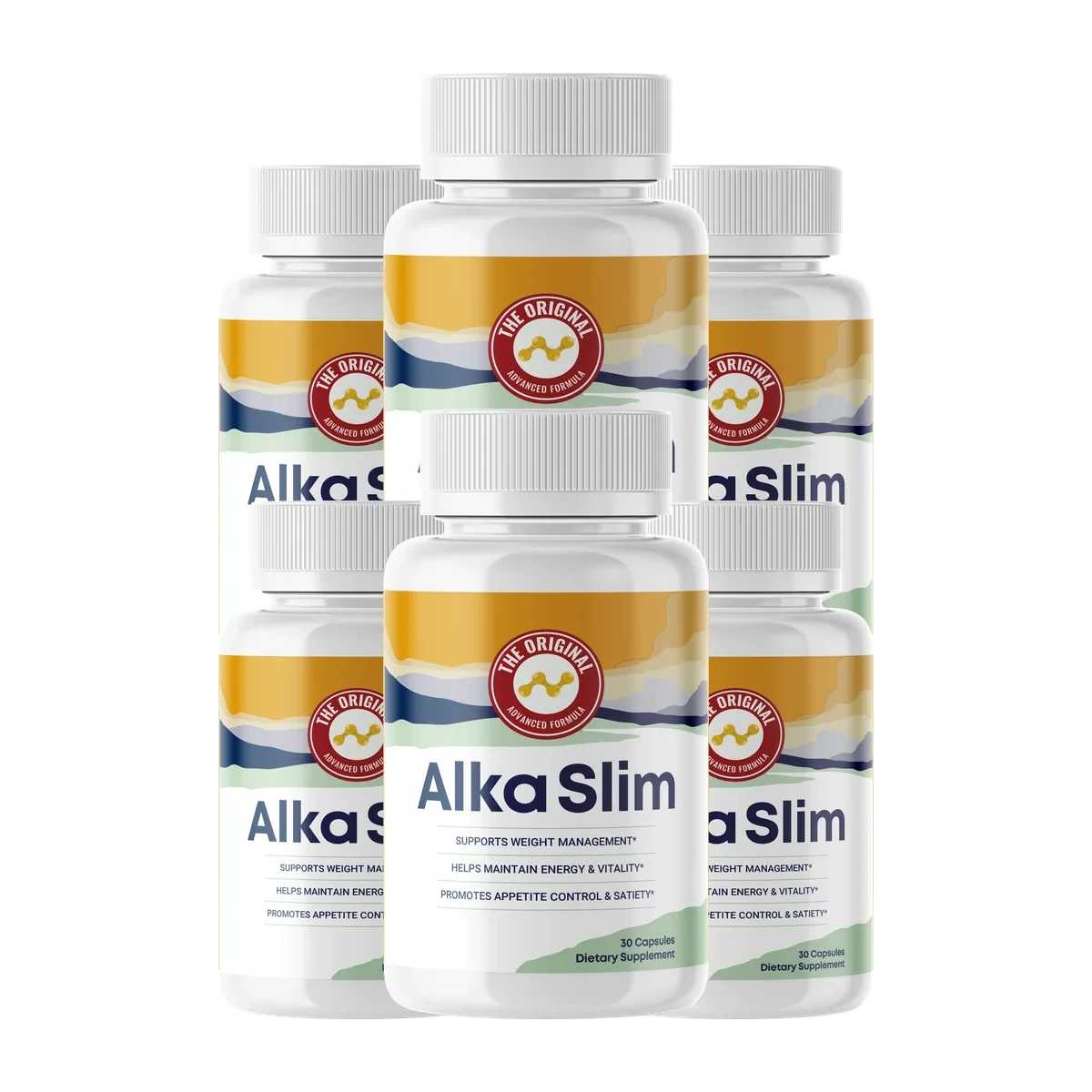
The product this article is about
AlkaSlim lists konjac glucomannan alongside three other names, without a milligram figure against a single one. Prices and terms are on the official store.
Order NowFrequently asked questions
How much glucomannan do the studies use?
The intake behind the European authorised wording is three grams a day, split into three one-gram doses taken with one to two glasses of water before meals, as part of an energy-restricted diet. Trials in the literature generally sit in the same range.
Does AlkaSlim contain that much?
Nobody outside the manufacturer can say. AlkaSlim publishes no Supplement Facts panel and no amount for any of its four named ingredients, and it is a one-capsule-a-day product — so the arithmetic is worth asking the store about before you order six bottles.
Why does the label insist on a full glass of water?
Because the ingredient gels on contact with water. Taken with too little liquid, or by anyone with a swallowing difficulty or an obstructive gut condition, that property is the documented hazard rather than a comfort issue. Take it sitting upright and finish the glass.
Is fibre a weight-loss drug?
No. Viscous fibre is a satiety aid studied alongside an energy-restricted diet, and the effects reported are modest. Any product framing fibre as a shortcut around diet and activity is overselling it.