Weight Loss Capsules vs Pills: Which Is Better?
Are weight loss capsules better than tablets?
For fiber and appetite formulas, weight loss capsules usually win: they dissolve fast, need fewer binders and fillers, and let soluble fiber hydrate and expand in the stomach where it works. Tablets fit more material in a smaller pill but disintegrate slower. For a glucomannan blend, the capsule format suits the job — taken with a full glass of water.
- Capsules dissolve quickly and carry fewer binders and fillers than compressed tablets.
- Soluble fiber needs to hydrate in the stomach — a capsule releases it there fast.
- Take any glucomannan capsule with a full glass of water 15–30 minutes before meals.
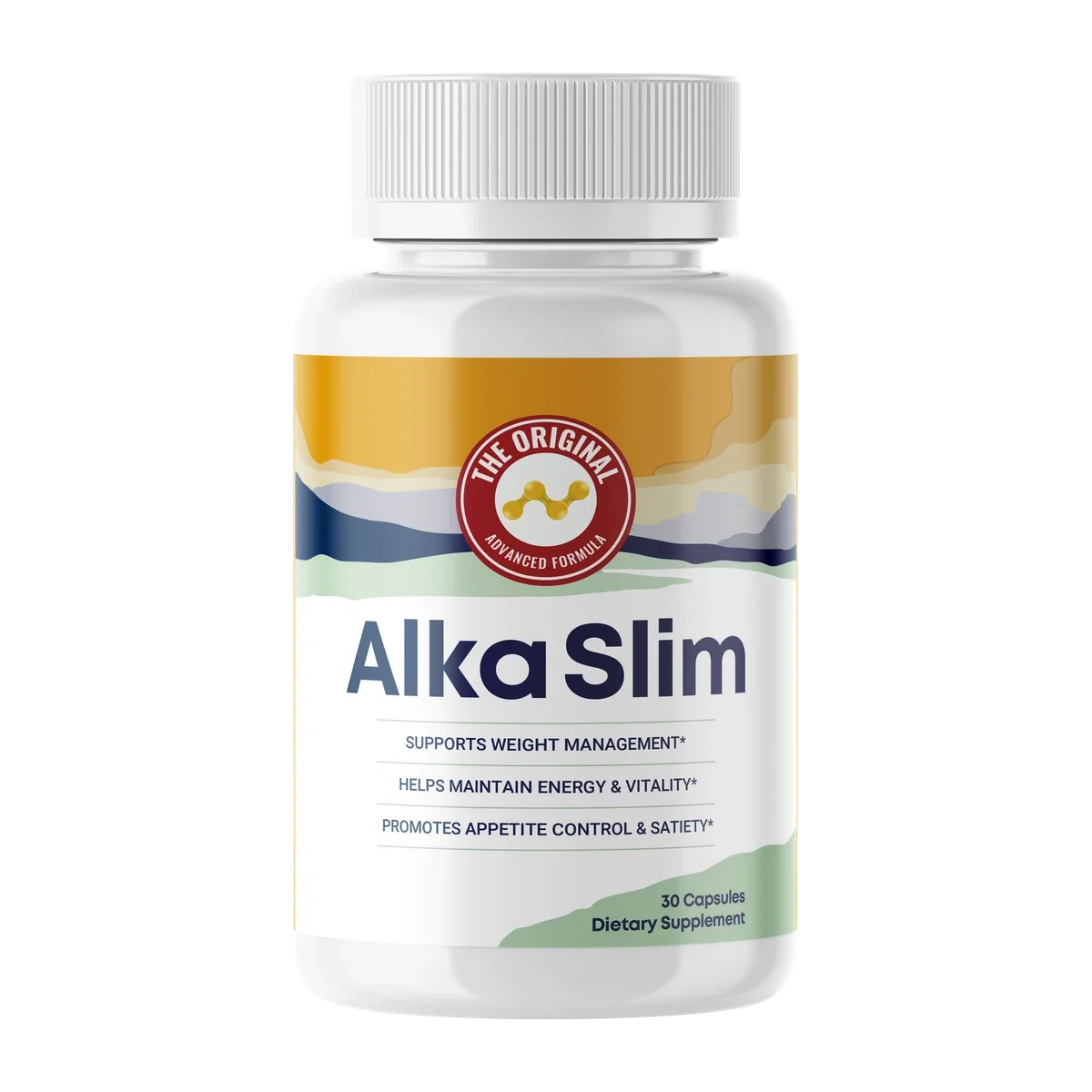
Shoppers comparing supplements tend to obsess over ingredients and ignore the shell they come in — yet for a fiber formula, the format is part of the mechanism. If you are weighing up weight loss capsules against traditional compressed tablets, the difference is not just about what is easier to swallow. It is about how fast the ingredient is released, how much filler tags along for the ride, and — with a swelling fiber like glucomannan — a genuine safety consideration you should understand before you buy. This guide breaks down capsule versus tablet delivery for appetite and fiber blends, and explains why the capsule format suits a soluble-fiber product like AlkaSlim.
We review weight-management supplements by reading the label and the literature rather than the marketing, and we disclose that we earn commission through our links. AlkaSlim, the product this site covers, is a capsule, so we have a stake in this comparison. Take our summary as informed, and bring the same skepticism to it that you would to any seller.
Capsule versus tablet: what actually differs
Start with what these two formats really are, because the marketing blurs them into "pills." A tablet is powder compressed under high pressure into a solid disc, held together by binding agents and often coated. A capsule is a shell — usually gelatin or a plant-based alternative — filled with powder or granules that is sealed rather than compressed. That single structural difference drives almost everything else that matters.
| Factor | Capsules | Tablets |
|---|---|---|
| How it's made | Powder sealed in a shell | Powder compressed under pressure |
| Binders & fillers | Fewer needed | More required to hold shape |
| Dissolve speed | Fast — shell opens quickly | Slower — must disintegrate |
| Dose per pill | Limited by shell size | Can pack more material |
| Best for | Fiber & fast-release blends | High-dose, stable compounds |
Read down that table and a pattern emerges. Tablets are the workhorse when you need to cram a large, stable dose into one small pill and do not mind a slower breakdown. Capsules trade some dose density for speed and cleanliness — they release their contents quickly and need fewer added ingredients to exist as a pill at all. For a soluble-fiber formula, that trade lands firmly in the capsule's favour, and the reason is worth understanding.
Why capsules suit soluble-fiber weight loss capsules like AlkaSlim
Here is the core of it. A soluble fiber such as glucomannan does not work by being absorbed into your bloodstream — it works physically, by absorbing water and forming a thick gel in your stomach. That gel slows how fast the stomach empties, which is the sensation people describe as feeling full for longer, and it flattens the post-meal blood-sugar rise by slowing digestion. The whole mechanism depends on the fiber getting into the stomach and hydrating there, quickly and fully.
A capsule is built for exactly that. The shell opens rapidly, releasing loose fiber powder that hydrates and expands right where you want it. A compressed tablet, by contrast, has to disintegrate first — the same binding that holds the disc together also slows the release, so the fiber is freed more gradually and less completely. When the entire point of the ingredient is to swell into a satiety gel on cue, a format that releases fast and clean is doing real work. This is also why a formula's amount, not just its ingredient list, decides results — a point we cover in our guide to glucomannan dosage and timeline.
The filler question: fewer passengers per pill
There is a second, quieter advantage to capsules that CRO-savvy shoppers care about: what is not in them. Because a tablet has to be pressed into a shape that survives handling, it needs binders, disintegrants, lubricants and often a coating — a supporting cast of excipients whose only job is to make the tablet a tablet. Some of that "other ingredients" line is unavoidable in any format, but capsules generally need less of it, because the shell does the structural work instead of chemistry.
For someone taking a supplement daily, that adds up. Fewer fillers means a higher proportion of the pill is the ingredient you actually bought, and a shorter "other ingredients" list is easier to scan for anything you want to avoid. It is not a dramatic health difference, and honesty requires saying so — but for a clean, single-purpose fiber formula, the capsule keeps the passenger list short.
Prefer a fast-release fiber capsule?
AlkaSlim delivers its konjac glucomannan in a once-daily capsule built to release and hydrate quickly. See current pricing, the 60-day guarantee and the full directions on the official store.
See AlkaSlim On The Official StoreThe one real hazard: glucomannan and choking risk
A fair guide has to name the downside, and with any glucomannan product there is one that matters more than the rest. The very property that makes the fiber useful — its rapid, dramatic swelling on contact with liquid — is also its hazard. If a glucomannan pill begins expanding in the throat or esophagus before it reaches the stomach, it can swell into a blockage. This is a documented choking risk, and it is the reason glucomannan tablets in particular carry warnings: a dry tablet that sticks on the way down is exactly the failure mode to avoid.
The good news is that the risk is almost entirely about water and posture, and it is easy to eliminate. Take any glucomannan capsule upright, never lying down, and always with a full glass of water — enough to carry it cleanly to the stomach, where you want the swelling to happen. Never take it dry, and never take it right before bed. Follow that one rule and the mechanism that curbs your appetite stays safely where it belongs. We cover this and the other common mistakes in our roundup of appetite suppressant pills, ranked and explained.
How to take weight loss capsules for the best result
Format only pays off if you use it right, and fiber capsules reward a little timing. The pattern that works: take the capsule with a full glass of water, 15 to 30 minutes before your meal. That head start lets the fiber begin hydrating and expanding so the satiety gel is forming as you sit down to eat — which is when you want it, not an hour after you have already cleared your plate.
The amount matters more than the number of capsules you take. A soluble-fiber effect scales with dose, so the goal is hitting the right daily fiber total spread across meals — not swallowing extra capsules to rush the result.
Two more habits protect both safety and effect. First, hydrate generously with every dose — water is not optional with a swelling fiber. Second, space the capsules away from any medicines you take, because the same gel that slows digestion can slow the absorption of drugs taken at the same time. If you want the full routine for getting the most out of a fiber capsule, our walkthrough on how to take AlkaSlim for the best results lays it out step by step.
Three myths about capsules versus pills
"They're all just pills, the shell doesn't matter." For most compounds the format is minor, but for a soluble fiber it is part of the mechanism. A capsule releases fast so the fiber can hydrate in the stomach; a compressed tablet releases slower. When the ingredient works by swelling on cue, the delivery method genuinely matters.
"Tablets are stronger because they fit more in." A tablet can hold more material per pill, but "more per pill" is not the same as "works better." For a fiber blend, fast, complete release beats raw density — and you can always dose fiber across more than one capsule. Strength is about the amount you actually get, formatted to act where it should.
"If it's a capsule, I can take it however." No — the choking risk with glucomannan is real regardless of format, and dry-swallowing is the mistake to avoid. Full glass of water, upright, before a meal. The format helps the ingredient work; your technique keeps it safe.
The bottom line on weight loss capsules vs pills
Neither format is universally better — the right answer depends on the ingredient inside. For high-dose, stable compounds where you want maximum material in one small pill, tablets earn their place. But for a soluble-fiber, appetite-focused formula, capsules win the practical argument: they release fast so the fiber hydrates in the stomach, they carry fewer binders and fillers, and they suit the swell-on-cue mechanism that makes glucomannan work. That is precisely why AlkaSlim comes as a capsule. Whatever you choose, respect the one non-negotiable rule with any glucomannan product — a full glass of water, taken upright, before your meal — and let the format do its job.
Related reading
Frequently asked questions
Are weight loss capsules better than tablets?
For fiber and appetite formulas, capsules have real advantages: they dissolve quickly, need fewer binders and fillers than compressed tablets, and let soluble fiber hydrate and expand in the stomach where you want it. Tablets pack more material into a smaller pill but rely on binders and disintegrate more slowly. Neither is universally better, but for a soluble-fiber blend a capsule usually suits the job.
How do fiber weight loss capsules work in the body?
A fiber capsule dissolves in the stomach and releases soluble fiber such as glucomannan, which absorbs water and swells into a thick gel. That gel slows how quickly the stomach empties, which is felt as fullness, and it flattens the post-meal blood-sugar rise by slowing digestion. Taken with a full glass of water 15 to 30 minutes before a meal, the fiber is hydrating and expanding right as you sit down to eat.
Is there a choking risk with glucomannan capsules?
Yes, and it is the one hazard worth taking seriously. Glucomannan expands rapidly on contact with liquid, so if it begins swelling in the throat or esophagus before reaching the stomach it can cause blockage or choking. The risk is almost entirely about water: always take glucomannan capsules upright with a full glass of water, never dry, never lying down, and never in a way that lets them lodge on the way down.
How many weight loss capsules should I take a day?
Follow the label, but a common pattern for glucomannan is one capsule taken with a full glass of water 15 to 30 minutes before each of your main meals, or a once-daily capsule as directed. The amount matters more than the number of capsules, because a soluble-fiber effect scales with dose. Do not exceed the label to speed results, and space the capsules away from medicines, which fiber can slow the absorption of.

Try the capsule format with a safety net
AlkaSlim pairs a fast-release glucomannan capsule with a 60-day money-back guarantee. Check the current price, the guarantee terms and the directions on the official store before you decide.
Order From The Official Store