Alkaline Diet Weight Loss: Does pH Really Matter?
Does the alkaline diet help you lose weight?
Alkaline diet weight loss is real, but the credit belongs to the food, not the pH. Filling your plate with vegetables, fruit and whole plant foods naturally lowers calories and raises fibre, which curbs appetite and creates a deficit. Blood pH is tightly self-regulated, so no diet or supplement truly alkalizes your body.
- Your blood pH stays in a narrow range no matter what you eat — your lungs and kidneys keep it there automatically.
- The real benefit is the eating pattern: more plants, more fibre, fewer ultra-processed calories.
- Pair the pattern with a viscous fibre for satiety and you get a practical, food-first approach to appetite control.
Search alkaline diet weight loss and you will meet a tidy, appealing story: modern food makes your body "too acidic," acidity makes you store fat, and eating alkaline foods (or taking an alkalizing supplement) resets the balance so the weight falls off. It is a clean narrative. It is also, in its literal form, wrong — and the way it is wrong is worth understanding, because there is a genuinely useful idea buried underneath the pseudoscience.
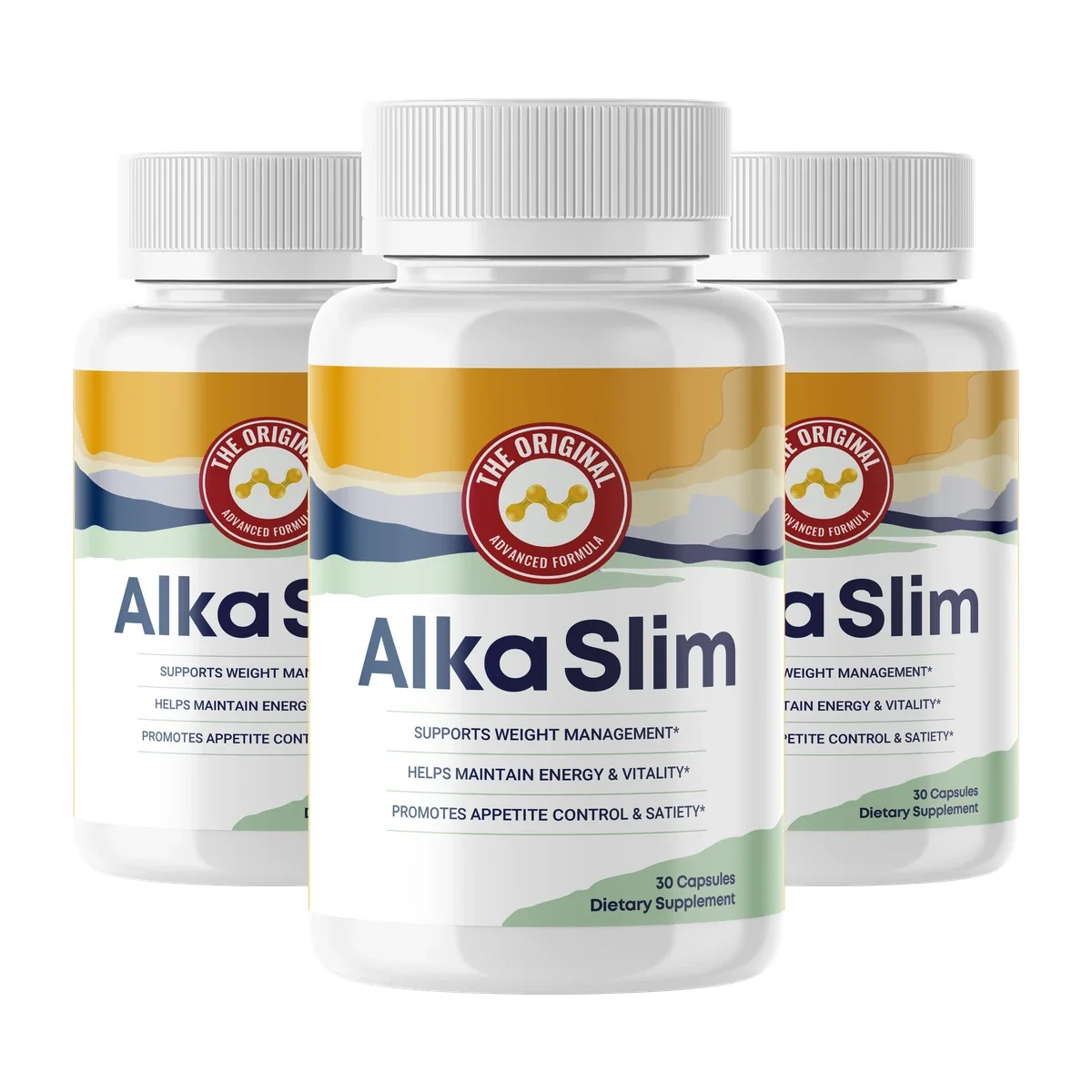
The short version: the alkaline diet does help a lot of people lose weight, but not for the reason the name implies. Once you separate the marketing claim (pH) from the mechanism that actually works (the eating pattern), you can keep everything effective and drop everything that is nonsense. That distinction is exactly how to read a product like AlkaSlim, which borrows the pH-balance theme in its branding.
What "alkaline" actually means for your body
pH is a scale of acidity and alkalinity from 0 to 14, where 7 is neutral. Here is the fact that dissolves most of the hype: your blood pH is held in an extremely tight range, roughly 7.35 to 7.45, and your body defends that range fiercely. Your lungs adjust it breath by breath (by managing carbon dioxide) and your kidneys fine-tune it over hours (by managing bicarbonate and acid excretion). This system is automatic, powerful and completely independent of whether you had a salad or a steak for lunch.
If your blood pH actually drifted meaningfully from that range, you would not be looking for a weight-loss tip — you would be in a hospital, because that is a medical emergency, not a lifestyle setting. The everyday claim that food or capsules "alkalize your body" quietly confuses this life-critical blood pH with something far less dramatic.
Why supplements can't really "alkalize" you
Here is the sleight of hand. Certain foods and supplements can change the pH of your urine. Eat a lot of plants and your urine trends more alkaline; eat a lot of animal protein and it trends more acidic. Marketers point at a urine test strip turning colour and present it as proof the product is "alkalizing your body."
But urine pH is a measure of what your kidneys are throwing away to keep your blood stable — it is the exhaust, not the engine. A more alkaline urine reading tells you your kidneys are doing their job of buffering, not that your blood or your fat cells have changed state. No over-the-counter supplement shifts your systemic pH in any meaningful, weight-relevant way, because your body will not allow it to. So if a product's entire pitch rests on "restoring pH," the pitch is doing no work. What matters is what else is in the bottle — the same lesson that applies when you ask whether AlkaSlim actually works beyond its branding.
Alkaline diet weight loss: why it works at all
Because of what it asks you to eat. Strip away the pH theory and look at the plate an alkaline diet actually builds:
- Loads of vegetables, fruit, legumes, nuts and whole grains. High volume, high fibre, high water content, relatively low calorie density.
- Far less meat, dairy, refined grain and ultra-processed food. Which happens to be where most people's excess calories hide.
That is, almost word for word, the description of an eating pattern that supports weight loss in the mainstream nutrition literature. You feel fuller on fewer calories because fibre and water take up room; you cut out the calorie-dense processed foods almost by default; you naturally land in a gentle deficit without counting anything. The pH framing is a story people tell themselves to eat more vegetables — and if the story works, the vegetables still win. The benefit is real. The mechanism is just relabelled.
Want the food-first approach in a once-daily capsule?
AlkaSlim pairs its pH-balance theme with viscous fibre ingredients meant to support fullness alongside a plant-forward diet. See the current pricing and the 60-day guarantee on the official store.
Check AlkaSlim on the Official Store
Three myths worth clearing up
Myth 1: "Acidic bodies store fat"
There is no credible evidence that a normal, healthy person's body is "too acidic" or that fat storage is driven by pH. Fat storage is driven by an energy surplus over time. The acidity story survives because it offers a villain that is not "I ate more than I burned," which is a less comfortable villain to sit with.
Myth 2: "You need to test and correct your pH"
You do not need to buy pH strips and chase a number. Even if your urine reads more acidic, that is your kidneys working correctly, not a problem to fix. Time spent managing a pH number is time better spent building meals around plants and fibre.
Myth 3: "A pH-balance pill does the work for you"
No pill alkalizes you into weight loss. Where a supplement can genuinely earn its place is by doing something concrete — for example, delivering a prebiotic baobab fiber for weight loss or a viscous fibre that slows digestion and blunts appetite. Judge the product on those ingredients and their amounts, not on the pH label stamped across the front.
Where AlkaSlim fits into this
AlkaSlim uses a "pH-balance" and alkaline theme in its positioning, which is exactly the branding this article is picking apart. So let us be fair and precise about it. The pH angle is a marketing wrapper; it is not a mechanism that will change your body chemistry. That does not automatically make the product useless — it means you should ignore the wrapper and look at the contents.
What is actually inside AlkaSlim is four named ingredients — baobab fiber, L-arabinose, spermidine and konjac glucomannan — in a single once-daily capsule. Two of those are fibres and fibre-adjacent compounds whose plausible benefit is satiety and slower digestion, which fits the food-first logic above far better than the pH story does. The honest caveat, as with every part of this formula, is that the manufacturer publishes no amount for any ingredient, so how much fibre you are getting is a fair question to ask the store before a bulk order. Read the label for the fibre, not for the pH promise.
If appetite is your real battleground, it is worth understanding which natural appetite suppressants actually work and pairing that knowledge with a plant-forward plate. That combination — pattern plus a genuine satiety aid — is the part that moves the scale.
What the research actually says about alkaline diets
When researchers put the alkaline diet under a microscope, a consistent picture emerges. People often do lose weight and see improvements in some health markers on it — but reviewers repeatedly conclude that the results are explained by the food, not by any systemic shift in acidity. You are eating more vegetables, more fibre and fewer processed calories; those are well-established levers, and they would work under any name.
Nutrition scientists sometimes measure a food's "potential renal acid load," or PRAL — essentially how acid- or alkaline-forming it is once metabolised. Plant foods tend to be alkaline-forming; meats and hard cheeses acid-forming. The alkaline-diet movement takes that real chemistry and stretches it into a claim it cannot support: that lowering your dietary acid load changes your blood pH and, through that, your weight. The first half is measurable; the second half is where the evidence runs out. Your kidneys handle the acid load quietly, adjust urine pH, and keep blood pH exactly where it was.
Some older claims went further still — that acid-forming diets leach calcium from bone, for instance. Better-controlled studies have not supported that either. The pattern keeps repeating: the food choices an alkaline diet encourages are genuinely healthy, and the pH theory wrapped around them keeps failing to add anything measurable on top.
That is actually good news for you as a shopper. It means you do not have to believe a word of the pH story to benefit from the plate it builds — and it means you can evaluate any "alkalizing" product on the only thing that matters: the ingredients inside, and whether they do something real, like adding fibre at a sensible amount. The label's chemistry lesson is optional. The vegetables are not.
A sensible, food-first way to use all this
You can keep everything good about the alkaline approach and lose nothing by dropping the pH theory:
- Build meals around plants. Half the plate vegetables, plus legumes, fruit, nuts and whole grains. This is the whole benefit, delivered.
- Prioritise fibre for fullness. Fibre is the lever that makes lower-calorie eating feel sustainable rather than punishing.
- Do not chase a pH number. Skip the strips; your kidneys have it handled.
- Treat any supplement as support. A capsule can add fibre and convenience; it cannot out-run a diet of ultra-processed food.
Try AlkaSlim alongside a plant-forward plate
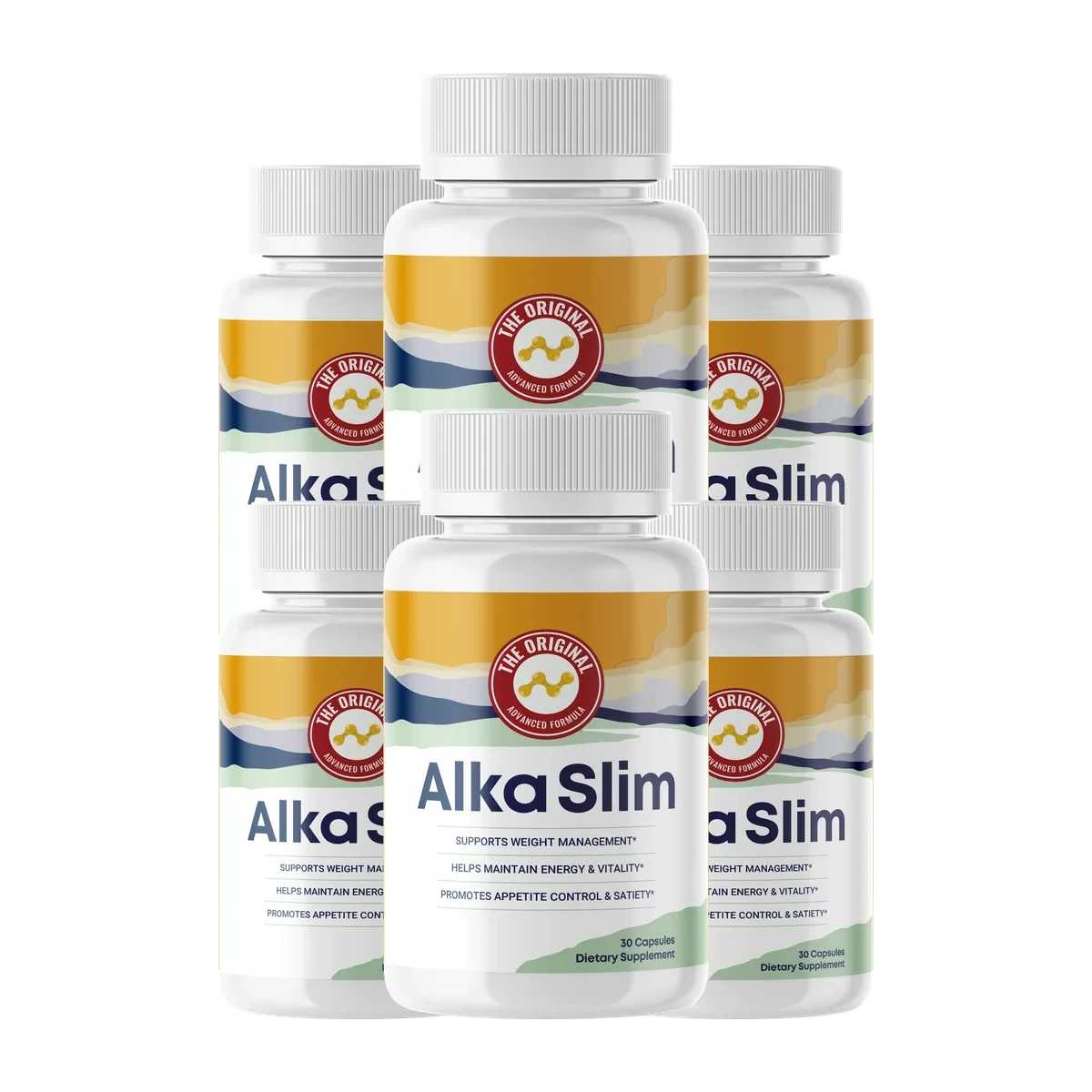
One capsule a day, 30 to a bottle, backed by a 60-day money-back guarantee. Judge it on the fibre and the terms, both on the official store.
Order AlkaSlim From the Official StoreRelated reading
Frequently asked questions
Does the alkaline diet help you lose weight?
It can, but not because of pH. The alkaline diet fills your plate with vegetables, fruit and whole plant foods, which are naturally lower in calories and higher in fibre. That combination supports satiety and a calorie deficit, and that is what drives the weight loss, not any change to your body's acidity.
Can supplements change your body's pH?
Not meaningfully. Blood pH is tightly self-regulated within a narrow range by your lungs and kidneys, and it does not move because of a food or a capsule. Supplements can change the pH of your urine, but that reflects what your kidneys are excreting, not the state of your blood or tissues.
What foods are on an alkaline diet?
The staples are vegetables, fruit, legumes, nuts, seeds and whole grains, with a focus on leafy greens and other plants. So-called acid-forming foods such as meat, dairy, refined grains and ultra-processed snacks are limited. In practice it is a whole-food, plant-forward pattern.
Is a pH-balance supplement worth it?
Judge it by what is inside, not by the pH-balance label. A product earns its place through ingredients with real support behind them, such as viscous fibre for fullness, at a sensible dose. The pH claim itself does nothing for weight, so let the actual formula and the guarantee decide.