Baobab Fiber for Weight Loss: What Studies Show
Does baobab fiber help you lose weight?
Baobab fiber supports weight loss indirectly, not as a fat-burner. Its high soluble-fiber and polyphenol content slows digestion, steadies post-meal blood sugar and boosts fullness, helping you eat less alongside a reduced-calorie diet. Direct human weight trials on baobab are still limited, so the honest verdict is modest, supportive help rather than a proven standalone effect.
- Very high in soluble fiber (pectin) and polyphenols that slow carbohydrate digestion.
- May blunt the post-meal blood-sugar spike by up to around 30 percent.
- Acts as a prebiotic and supports regularity — with human weight trials still in progress.
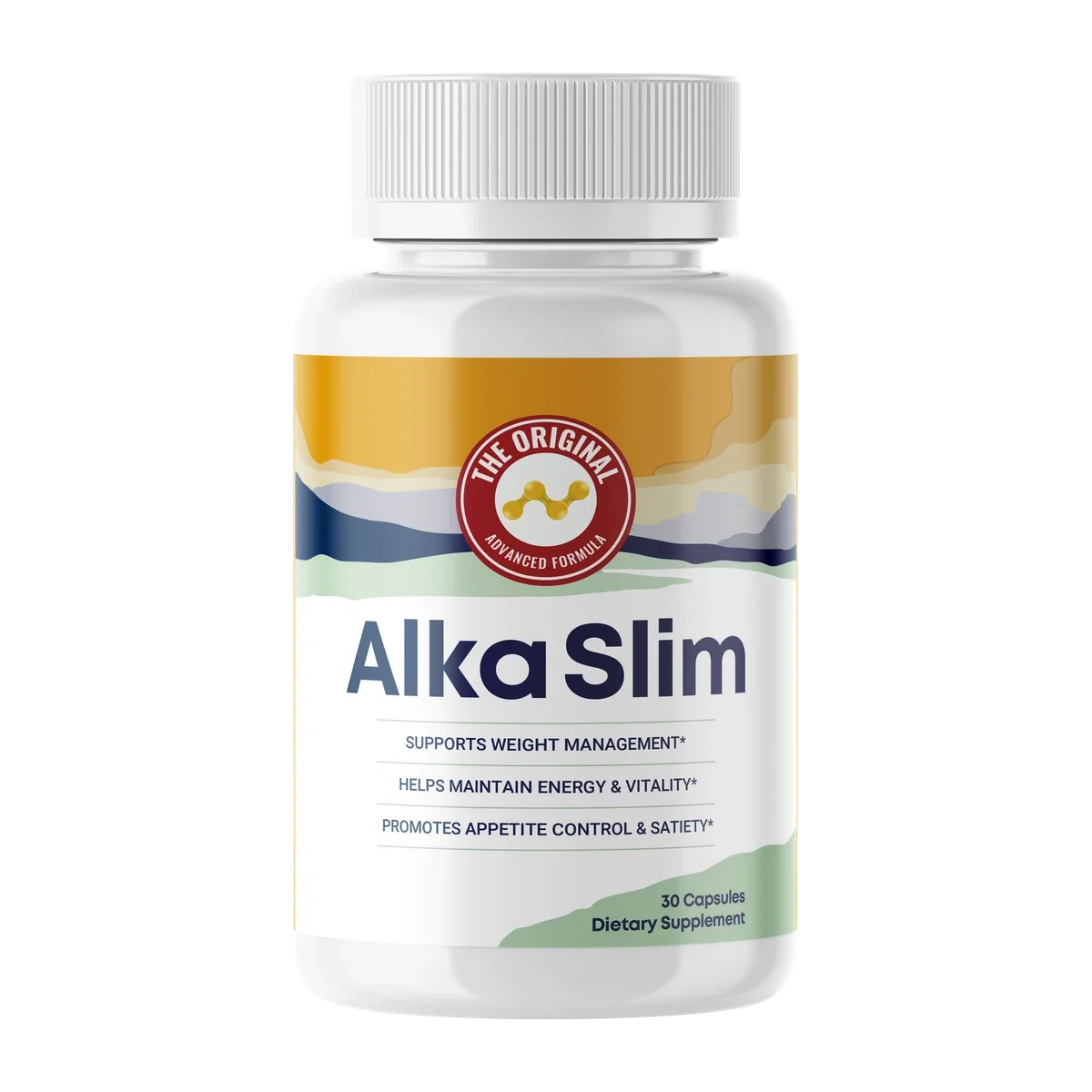
Search baobab fiber weight loss and you will find two extremes: breathless superfood claims on one side, and dismissive "it's just fiber" takes on the other. The truth sits between them, and it is genuinely interesting. Baobab fruit pulp is one of the richest natural sources of soluble fiber on the planet, it carries a heavy polyphenol load, and small human studies show a real effect on the blood-sugar spike after a meal. What it does not yet have is a stack of direct weight-loss trials — and an honest article says both things in the same breath. Here is what the studies actually show, and what that means for a fiber-forward supplement.
We review a capsule called AlkaSlim that names Baobab Fiber as its first ingredient. We earn an affiliate commission when readers buy through our links, disclosed on every page. That is the reason, not the obstacle, to being straight with you about where the evidence is strong and where it is still thin.
What baobab fiber actually is
Baobab is the fruit of the African baobab tree, Adansonia digitata. Uniquely, its fruit dries naturally on the branch, so the pulp is harvested as a ready-made powder with no heat processing. That powder is remarkable for its fiber content: it is very high in soluble fiber, particularly pectin, which is the same gelling fiber that makes jam set. Alongside the fiber sits a dense concentration of polyphenols — plant antioxidant compounds — and a notable dose of vitamin C.
The soluble-fiber fraction is the part that matters most for appetite and blood sugar. Soluble fiber dissolves in water and forms a viscous gel in the digestive tract, and that gel is the mechanism behind almost everything useful baobab does downstream. If you have read our explainer on how much konjac glucomannan the research actually uses, the theme will be familiar: with viscous fiber, the gel is the point, and the amount you take is what determines how much gel you get.
The blood-sugar effect: the strongest evidence baobab has
This is where baobab has its most convincing human data. When soluble fiber forms a gel around a carbohydrate-containing meal, it physically slows the rate at which sugars are digested and absorbed. The result is a flatter, more gradual rise in blood glucose after eating instead of a sharp spike. Small controlled studies in which baobab extract was added to a carbohydrate meal — white bread is a common test food — reported a meaningful reduction in the post-meal glucose response, on the order of up to around 30 percent in some measures.
Why does a blood-sugar effect matter for weight? Because the spike-and-crash pattern is a quiet driver of hunger. A sharp glucose rise is followed by a sharp fall, and that rebound low is often felt as a craving an hour or two after eating. Blunt the spike and you soften the crash, and a steadier curve tends to mean fewer of those between-meal hunger ambushes. It is an indirect route to eating less, but it is a real one, and it is the mechanism baobab supports best.
Want baobab fiber in a once-daily capsule?
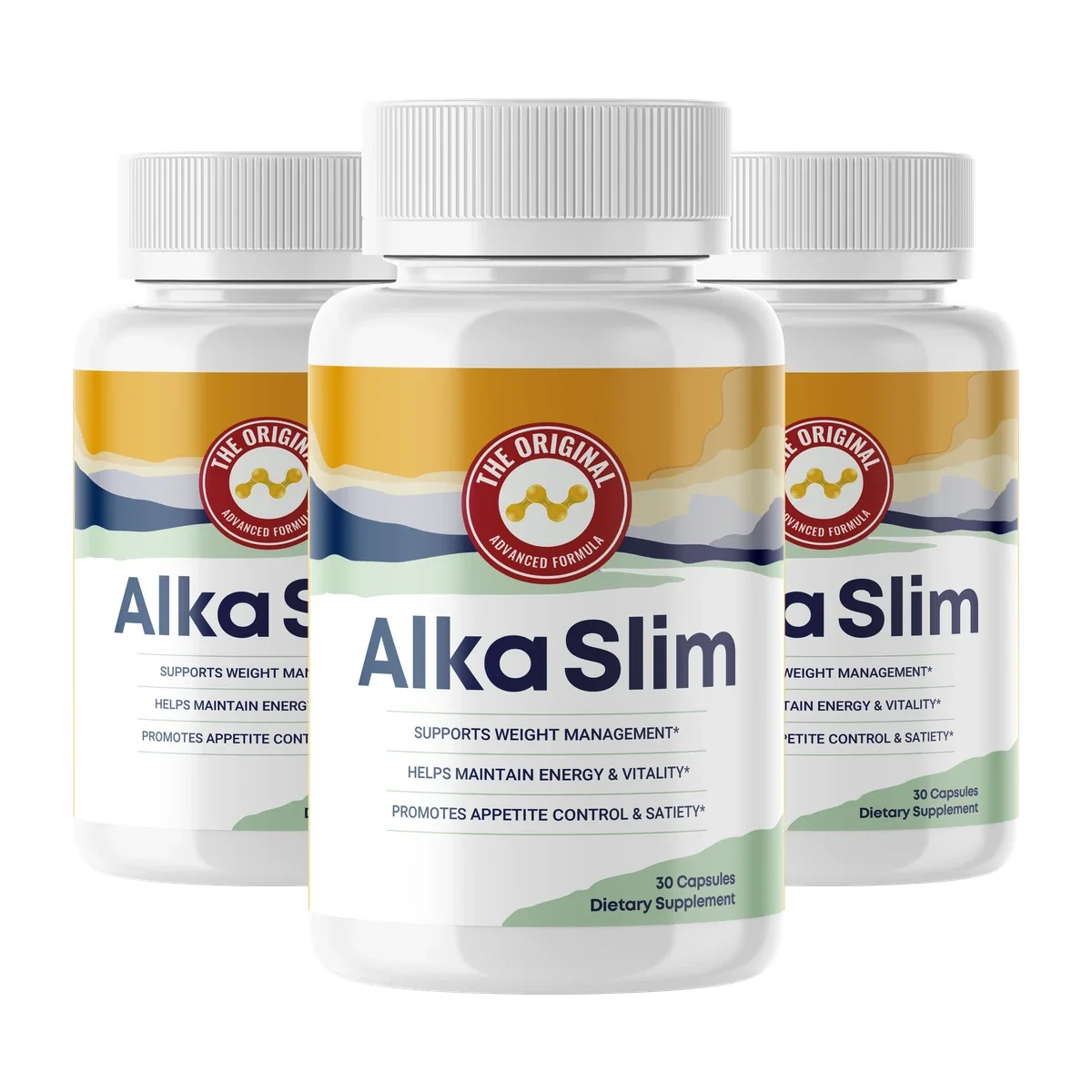
AlkaSlim is built around Baobab Fiber alongside three other named ingredients, taken once a day with a full glass of water. See the formula, pricing and 60-day money-back guarantee on the official store.
See AlkaSlim on the Official StoreThe gut-health case: prebiotic fiber and regularity
The second well-supported role for baobab is in the gut. Soluble fiber that reaches the large intestine becomes food for your resident bacteria, and baobab pulp acts as a prebiotic — it feeds the beneficial microbes that ferment fiber into short-chain fatty acids. A healthier, better-fed microbiome is increasingly tied in the research to healthier metabolism and to the appetite-signalling conversation between the gut and the brain, though this is an area still being mapped.
The more everyday benefit is regularity. Soluble fiber adds bulk and softens stool, and for a lot of people that is the first change they actually notice from a fiber supplement — before any effect on the scale. It is not glamorous, but it is real, it is consistent, and it is part of why a fiber-forward routine tends to feel good even while the weight side plays out slowly.
The polyphenols: baobab's under-discussed second half
Fiber gets the headlines, but baobab's polyphenol content is the other half of the story and it is worth understanding. Polyphenols are plant compounds with antioxidant activity, and baobab pulp is unusually dense in them — that density is part of why the fruit has been eaten and used traditionally for so long. In the context of a carbohydrate meal, polyphenols appear to contribute to the same blunting of the blood-sugar rise that the fiber drives, working partly by slowing the enzymes that break starches down into sugars. So the glucose effect baobab shows is probably not fiber alone; it is fiber and polyphenols pulling in the same direction.
Does an antioxidant load translate into weight loss? On its own, no — this is exactly the kind of claim that gets inflated in superfood marketing, and we are not going to inflate it. The honest framing is that the polyphenols reinforce the mechanism that actually matters here, the steadier post-meal glucose curve, rather than adding some separate fat-burning power. It is a supporting actor, not the lead.
How much baobab do the studies actually use?
This is the question that separates a real ingredient from a label decoration, and it is the same question we ask of every component in this category. The human studies showing the blood-sugar effect used defined amounts of baobab extract added to a test meal — meaningful quantities, not a token pinch. That matters because, as with any viscous fiber, the effect is a function of dose: too little baobab produces too little gel and too small a polyphenol load to move the glucose curve. A formula that names baobab fiber tells you the maker knows what a good fiber ingredient looks like; it does not, by itself, tell you the capsule contains a study-sized amount.
So the practical move before a large order is simple: ask the seller how many milligrams of baobab fiber are in a serving, and compare it to the amounts the studies used. A store that stands behind its formula can answer in a sentence. This is not scepticism for its own sake — it is the one question that turns "contains baobab" into "contains enough baobab to do something," and it costs you nothing but an email to ask.
The honest limits of baobab fiber for weight loss: direct trials are still thin
Now the part the superfood marketing skips. For all its promise, baobab does not yet have a solid body of randomised controlled trials measuring weight loss from baobab specifically. The strong data is on the blood-sugar response and the fiber-and-gut mechanisms; the leap from "flattens the glucose curve and feeds the microbiome" to "causes measurable weight loss on its own" has not been directly demonstrated in large human studies. Some 2026 trials are in progress, and the picture may firm up — but as of now, anyone claiming baobab is a proven weight-loss agent is running ahead of the evidence.
This is exactly the objection a careful reader should raise, so let us meet it head-on rather than dodge it. The case for baobab fiber is a mechanistic and indirect one: strong evidence for the blood-sugar and gut effects, a reasonable biological chain connecting those to reduced hunger, and honest uncertainty about the size of the downstream weight effect. That is a legitimate reason to include it in a fiber-forward formula. It is not a licence to promise a number on the scale. If you want the wider landscape of ingredients with the same modest-but-real profile, our roundup of natural appetite suppressants that actually work puts baobab in context alongside the others.
How baobab fits in AlkaSlim — and how to take fiber sensibly
In AlkaSlim, Baobab Fiber is the first of four named ingredients, sitting alongside L-Arabinose, Spermidine and Konjac Glucomannan in a once-daily capsule taken with a full glass of water. The logic of the formula is fiber-forward appetite support: baobab for its soluble-fiber and blood-sugar profile, glucomannan for its viscous-gel fullness effect, and the other two rounding out the blend. As always, the amount of each ingredient determines how much of the mechanism you actually get, which is a fair question to put to any seller before you commit to a large order.
Whatever fiber product you take, take it well. Drink plenty of water with it — the gel that makes soluble fiber useful needs liquid to form safely, and too little water is where the bloating and discomfort come from. If you are new to a fiber supplement, expect a short settling-in period of gas or looser stools as your gut adjusts, and build up rather than starting at full tilt. Anyone with a gut condition, or who takes medication on a fixed schedule, should check with a healthcare professional first, because viscous fiber can slow the absorption of anything taken at the same time. For the mechanics of dosing and how long to give it, our guide to glucomannan dosage and the results timeline applies directly to the viscous-fiber side of this formula.
Related reading
Try baobab-based fiber support the honest way
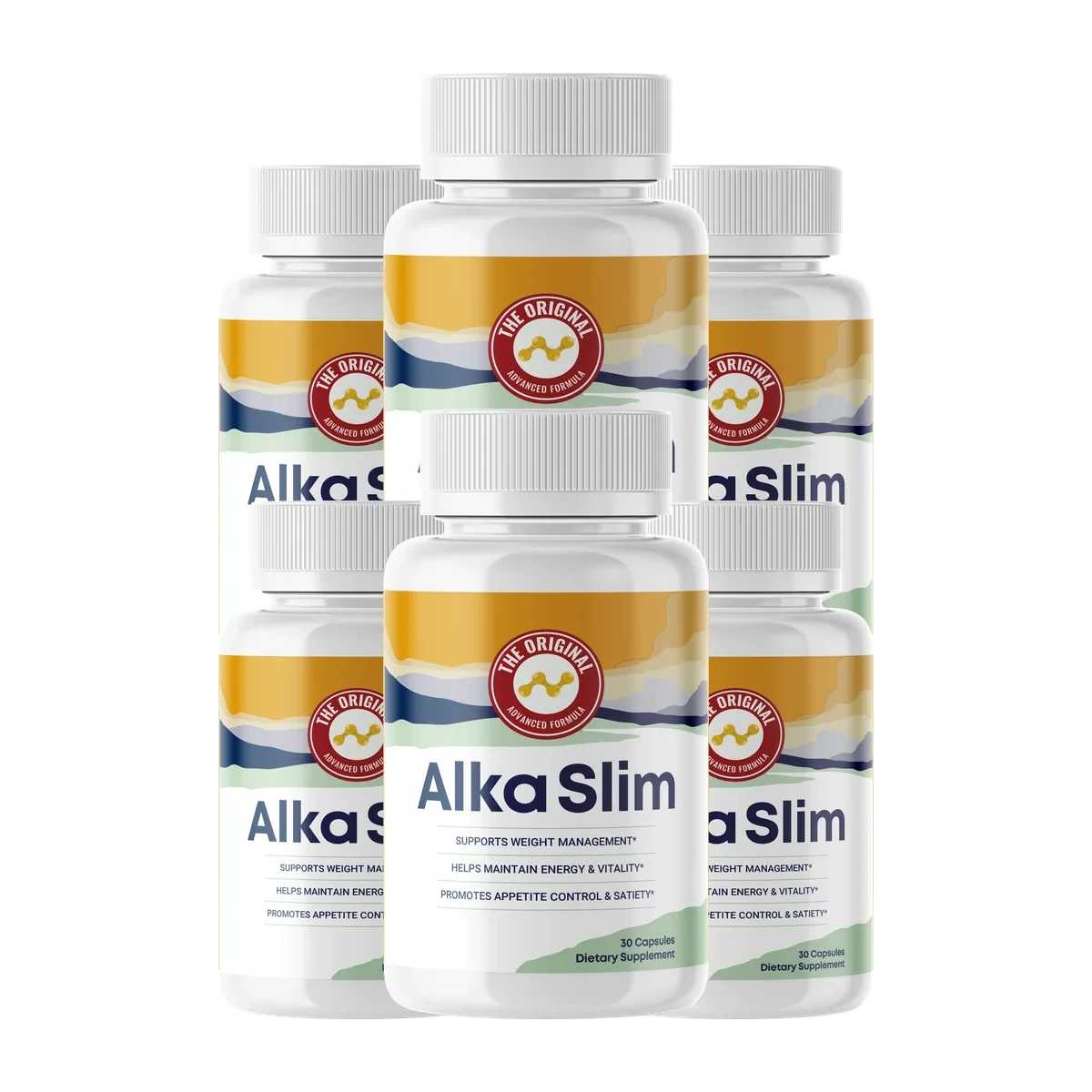
If steadier post-meal energy and fiber-based fullness alongside a sensible diet is what you want, see AlkaSlim's baobab-forward formula, pricing and 60-day money-back guarantee on the official store.
Order NowFrequently asked questions
Does baobab fiber help you lose weight?
Baobab fiber can support weight loss indirectly, but it is not a direct fat-burner. Its high soluble-fiber content slows digestion, steadies post-meal blood sugar and increases fullness, which can help you eat less alongside a reduced-calorie diet. Direct human trials measuring weight loss from baobab specifically are still limited, so the honest position is modest, supportive help rather than a proven standalone effect.
How does baobab affect blood sugar?
Baobab is rich in soluble fiber and polyphenols that slow the digestion of carbohydrates, and small human studies suggest it can blunt the post-meal blood-sugar spike by up to around 30 percent when added to a carbohydrate meal. A steadier glucose curve tends to mean fewer sharp crashes and less rebound hunger, which is one of the main ways baobab fiber supports appetite control.
Is baobab fiber good for gut health?
Yes. Baobab pulp acts as a prebiotic, feeding the beneficial bacteria in your gut, and its soluble fiber supports regularity by adding bulk and softening stool. A well-fed gut microbiome is increasingly linked to healthier metabolism and appetite signalling, so the gut-health role of baobab fiber is one of its most consistent and well-supported benefits.
Are there side effects of baobab fiber?
Baobab fiber is generally well tolerated, but like any fiber it can cause bloating, gas or looser stools when you first increase your intake, especially without enough water. Start with a lower amount, drink plenty of fluid, and build up gradually. If you have a gut condition or take medication on a fixed schedule, check with a healthcare professional first, since fiber can slow absorption.