Spermidine Weight Loss & Autophagy: What's Real
Does spermidine help with weight loss?
Spermidine is a natural polyamine that switches on autophagy, the cell's own recycling system. In diet-induced obese mice it lowered body weight and improved insulin resistance, yet solid human evidence for spermidine weight loss is still thin. Treat it as a promising metabolic-support compound, not a stand-alone fat burner you can lean on.
- Autophagy is cellular cleanup — spermidine appears to trigger it, and better cellular housekeeping is linked to healthier metabolism.
- The strongest weight data comes from obese-mouse studies; human weight-loss results are limited and preliminary.
- You already eat spermidine — wheat germ, soybeans and aged cheese are among the richest natural sources.
If you have typed spermidine weight loss into a search bar, you have almost certainly run into two very different tones. One camp calls spermidine a longevity-and-fat-loss breakthrough. The other rolls its eyes and says it is a molecule from cheese that does nothing a salad cannot. As usual, the honest answer sits between the headlines — and it is more interesting than either extreme.
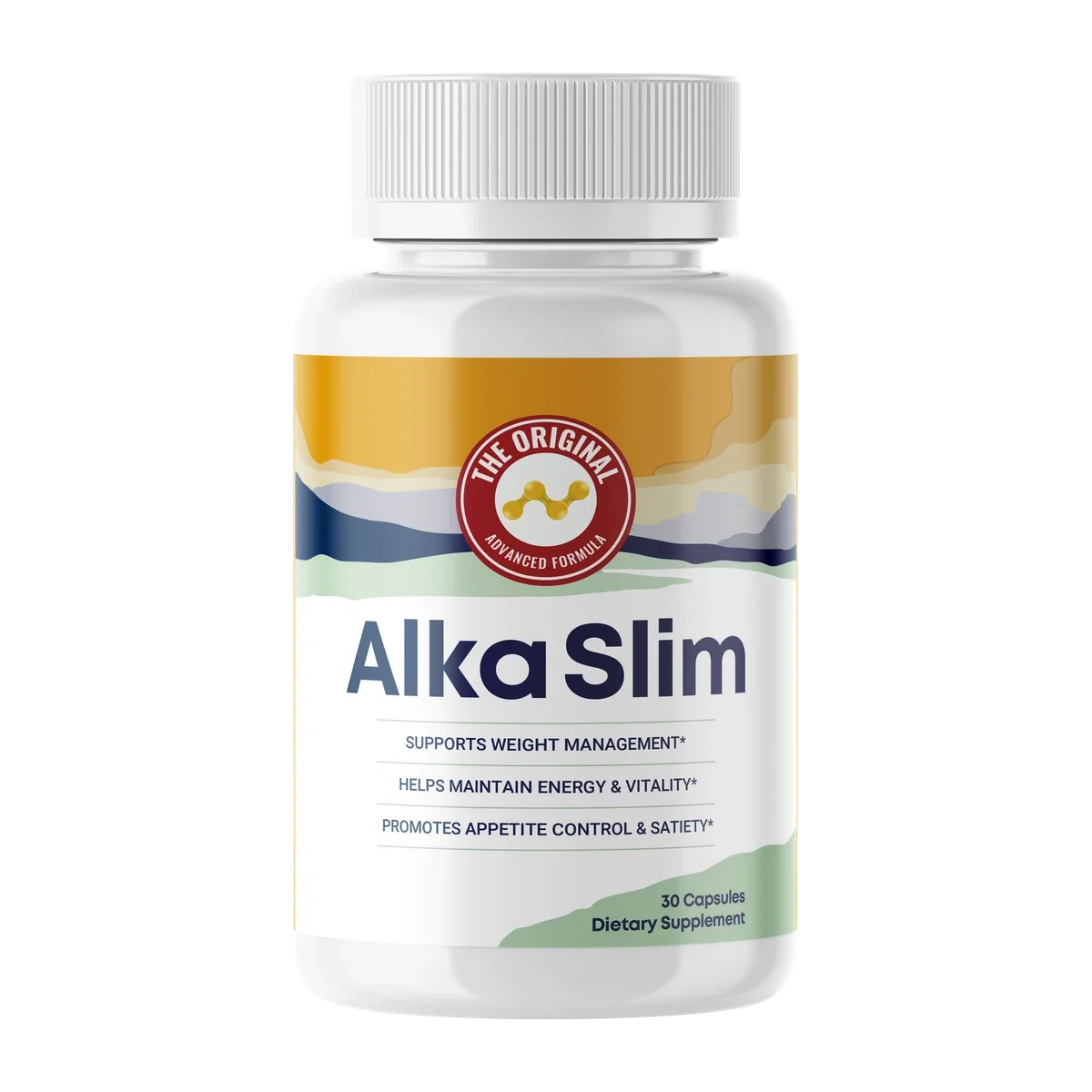
Spermidine is genuinely one of the more scientifically intriguing compounds to appear on a supplement label in the last decade. It has a real, well-characterised mechanism, a growing research base, and a plausible link to how the body handles fuel. What it does not yet have is a stack of large human trials showing it melts fat on its own. This article walks through what is established, what is still preliminary, and how to think about spermidine if you see it named on a formula such as AlkaSlim.
What spermidine actually is
Spermidine is a polyamine — a small, positively charged molecule your own cells make, that is also present in nearly every living thing you eat. It was first identified in semen, which is where the unfortunate name comes from, but it is everywhere: in your gut bacteria, in plants, in fermented foods. Your body maintains a pool of it, and that pool tends to decline with age, which is one reason researchers became curious about topping it up.
Because it is a natural dietary component rather than an exotic isolate, spermidine has an unusually reassuring safety story compared with novel stimulant-style weight ingredients. You are not introducing something foreign to human biology. You are nudging the level of a molecule your metabolism already depends on. That matters for how you weigh the risk-to-reward of any product that contains it.
Autophagy, explained without the jargon
The reason spermidine keeps coming up is a process called autophagy — literally "self-eating." Think of it as your cells' cleanup crew. Over time, cells accumulate damaged proteins, worn-out mitochondria and general molecular junk. Autophagy is the system that identifies that debris, breaks it down, and recycles the useful parts back into circulation. When autophagy runs well, cells stay efficient. When it stalls — which tends to happen with age and with chronic overfeeding — the junk piles up and cellular function drifts.
Spermidine is one of the most studied natural autophagy inducers. In laboratory models it reliably switches the recycling process on. That is the whole basis for the interest: if a compound can restore a form of cellular housekeeping that normally fades, and if that housekeeping is tied to how cells handle energy and insulin, then it is at least reasonable to ask whether it also touches body weight. It is a good question. It is not, yet, a settled answer.
What the spermidine weight loss evidence actually shows
Here is where honesty earns its keep. The most eye-catching results come from animals. In studies of diet-induced obese mice — animals fattened on a high-fat diet — spermidine supplementation reduced body weight and improved markers of insulin resistance. Those are real, repeatable findings, and they are exactly the kind of results that get an ingredient onto a label.
But a mouse is not a person, and "reduced weight in high-fat-fed mice" is a starting line, not a finish line. Human research on spermidine has so far concentrated more on cognition, cardiovascular markers and general healthy-ageing endpoints than on the scale. The direct human weight-loss trials — the kind with a decent number of people, a control group, and a clear before-and-after on body fat — are limited and preliminary. Nobody who is being straight with you can point to a large randomised trial and say spermidine dropped X kilos versus placebo.
So the accurate summary is this: promising mechanism, encouraging preclinical weight data, thin human weight-loss evidence. That is not a reason to dismiss it — plenty of respected nutrients sit in exactly this stage of research — but it is a strong reason to keep your expectations calibrated. Spermidine is a support player. It is the fibre, the calorie deficit and the activity that still do the heavy lifting, which is why it is worth understanding whether AlkaSlim actually works as a whole formula rather than fixating on any single named compound.

Curious about the formula that names spermidine?
AlkaSlim pairs spermidine with baobab fiber, L-arabinose and konjac glucomannan in a once-daily capsule. See the current pricing, the 60-day guarantee and the full label on the official store.
Check AlkaSlim on the Official StoreThree myths worth clearing up
Because spermidine sits at the intersection of "longevity science" and "weight-loss marketing," it attracts more than its share of confident nonsense. Three claims come up again and again, and all three deserve a firmer footing.
Myth 1: "Spermidine burns fat directly"
It does not act like a stimulant fat-burner. Spermidine does not spike your heart rate or force your body to torch calories. Its plausible route to a weight benefit is indirect and slow: by supporting autophagy and improving how cells respond to insulin, it may make a calorie-controlled diet a little more effective over time. Anyone selling it as a direct fat-incinerator is describing a mechanism that spermidine does not have.
Myth 2: "More is always better"
Polyamine biology is a balance, not a dial you crank to maximum. The doses used in human research are modest and food-adjacent — closer to what a spermidine-rich diet provides than to a mega-dose. Piling on huge amounts is neither well studied nor obviously helpful, and it is a good reason to be wary of any product that implies "the more, the faster."
Myth 3: "You can only get it from a supplement"
This one is backwards. Spermidine is abundant in ordinary food, and a plant-forward eating pattern already delivers a steady supply. A supplement can offer a concentrated, consistent dose, but it is topping up something a good diet already provides — which, incidentally, is the same logic behind the alkaline diet and weight loss conversation: the eating pattern tends to matter more than the pill.
Where spermidine fits in AlkaSlim
AlkaSlim names spermidine as one of four ingredients, alongside baobab fiber, L-arabinose and konjac glucomannan, in a single capsule taken once a day. The manufacturer's visible copy does not publish a Supplement Facts panel or a milligram figure for any of the four, so — as with every ingredient in this formula — we cannot tell you how much spermidine a capsule contains, and neither can anyone outside the manufacturer.
That undisclosed-amount problem is worth naming plainly, because with spermidine the amount matters less dramatically than it does with a bulk fibre. Fibre's effect is physical and scales steeply with quantity; spermidine's effect is signalling-based and food-adjacent. Even so, "an ingredient we know is interesting, at an amount we cannot see, sharing a capsule with three others" is the honest description here. If precise dosing is your priority, that is a fair question to email the store before you commit to a multi-bottle order — the same question worth asking about how much glucomannan the research actually uses.
None of this makes spermidine a gimmick. It is a legitimate, well-mechanised compound with a real research trajectory. It simply is not a magic switch, and a responsible formula treats it as one supportive part of a package built around fibre-driven satiety, sensible calories and movement.
Spermidine, fasting and exercise: the autophagy overlap
One reason spermidine generates so much excitement is that it belongs to a small club of compounds sometimes called caloric-restriction mimetics, or fasting mimetics — substances that appear to switch on some of the same cellular pathways as fasting itself. Fasting and sustained exercise are two of the most reliable natural triggers of autophagy known, and part of why they are so good for metabolic health is precisely that they keep the cellular cleanup crew active.
Spermidine seems to tap into a slice of that same machinery through a different door. That is genuinely interesting, and it is also where the marketing tends to overreach. A fasting mimetic is not a fasting replacement. The metabolic payoff of fasting comes largely from the energy deficit it creates — you are eating less — and no capsule reproduces that part. What spermidine may offer is a nudge to the autophagy signal, layered on top of the diet and movement that still have to do the real work.
The practical takeaway is unglamorous but freeing: if you want the autophagy benefits people associate with spermidine, the highest-yield moves are still the free ones. Eat in a modest deficit, move your body, sleep well, and let a spermidine-rich food or supplement play a supporting role. Framed that way, spermidine stops being a shortcut you are hoping will rescue a poor routine and becomes a small, reasonable addition to a good one.
How to actually get more spermidine
Whether or not you take a supplement, the food route is easy and cheap. The richest natural sources include:
- Wheat germ — the single densest common source; a spoonful on yoghurt or in a smoothie goes a long way.
- Soybeans and other legumes — edamame, natto, lentils and chickpeas.
- Aged and mature cheeses — the ageing process concentrates polyamines.
- Mushrooms and whole grains — steady, everyday contributors.
A varied, plant-forward plate covers the basics without any product at all. Where a supplement can help is consistency: a fixed daily dose you do not have to think about. Just keep the expectation grounded — you are supporting a cellular process, not buying a shortcut around the calorie maths.
Try the once-daily AlkaSlim capsule
Spermidine, baobab fiber, L-arabinose and konjac glucomannan in one capsule a day, backed by a 60-day money-back guarantee. Prices and full terms are on the official store.
Order AlkaSlim From the Official StoreRelated reading
Frequently asked questions
Does spermidine help with weight loss?
In animal studies it looks helpful: diet-induced obese mice given spermidine lost weight and showed improved insulin resistance. Human weight-loss evidence is still limited and preliminary, so spermidine is best seen as a supportive compound alongside diet and activity, not a stand-alone fat-loss agent.
What is autophagy and how does spermidine trigger it?
Autophagy is the cell's recycling process, where worn-out parts are broken down and reused. Spermidine, a natural polyamine, appears to switch this process on, which is why researchers are interested in its effects on metabolism, ageing and cellular housekeeping.
Is spermidine safe to supplement?
Spermidine occurs naturally in everyday foods and in the body, and short human studies of spermidine-rich supplements have reported good tolerability. As with any supplement, talk to a healthcare professional first, especially if you are pregnant, nursing, or taking medication.
What foods are high in spermidine?
Wheat germ is one of the richest sources, followed by soybeans and other legumes, aged cheese, mushrooms and whole grains. A varied plant-forward diet naturally supplies a steady amount of spermidine without any supplement.