Berberine Dosage for Weight Loss: What Works
How much berberine should I take for weight loss?
The evidence-based dose of berberine for weight loss is 500 mg two to three times daily, taken just before meals, for a total of 1,000 to 1,500 mg a day. Splitting it keeps blood levels steady and eases the stomach. Expect a modest four to five pounds over one to three months, inside a calorie deficit.
- Standard dose: 500 mg, two to three times daily before meals (1,000–1,500 mg total).
- Realistic result: about four to five pounds over one to three months, not a transformation.
- Check first if you take statins, warfarin or other prescriptions — berberine interacts.
Berberine has become one of the most-searched supplements on the internet, and most of the searches ask the same practical thing: how do I actually dose it? If you are considering berberine for weight loss, the amount and the timing are not footnotes — they are the entire difference between a supplement that does something measurable and a bottle that does nothing but empty your wallet. This guide gives you the evidence-based dose, a realistic timeline, the best time of day to take it, and the interactions that mean some people should not start it at all without a green light from their provider. No cure claims, no hype — just what the research actually used.
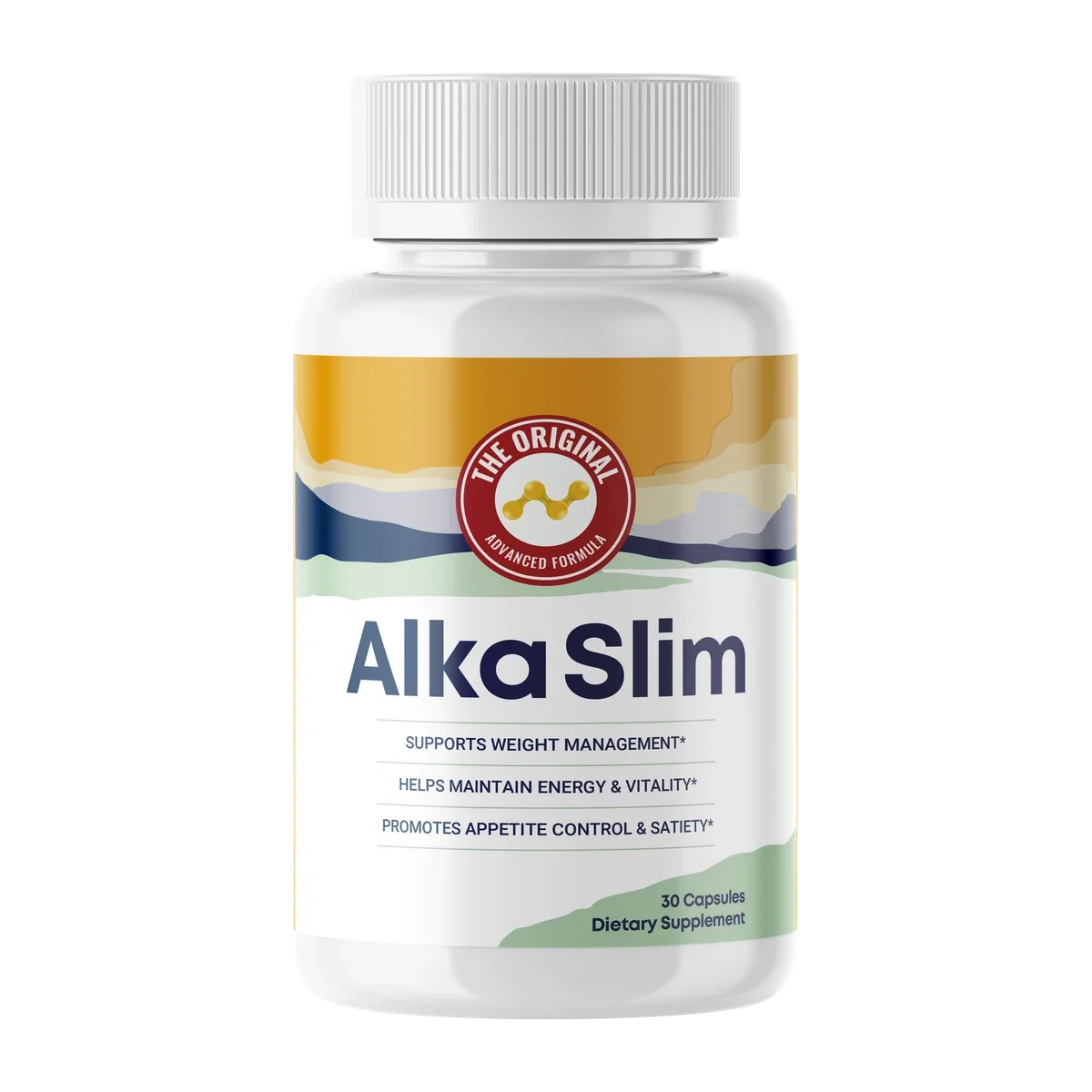
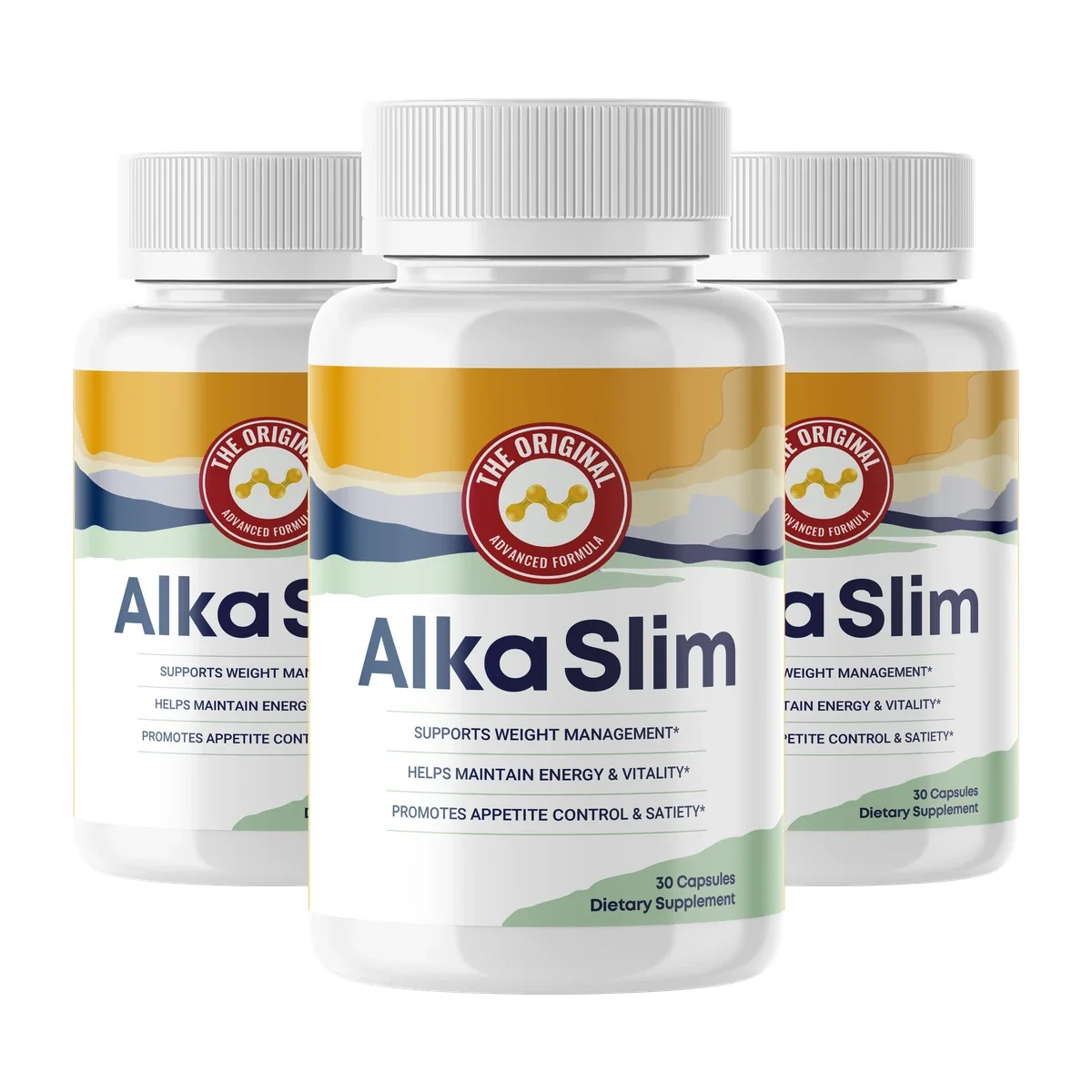
We review weight-management supplements by reading the literature rather than the marketing, and we disclose that we earn commission through our links. Berberine appears in AlkaSlim, the formula this site covers, alongside its konjac glucomannan fiber base — so we have an interest here. Take our summary as informed, and bring the same skepticism to it that you would to any seller.
The evidence-based dose of berberine for weight loss
Let us answer the headline question first, plainly. Across the studies that have looked at berberine, the dose that keeps recurring is 500 mg taken two to three times a day, giving a daily total of 1,000 to 1,500 mg. That is the working range. Below roughly 1,000 mg a day the effect tends to thin out; above 1,500 mg you are into territory that is not well supported and that mostly buys you more stomach upset, not more result.
The reason it is split rather than taken all at once comes down to pharmacology. Berberine has a short half-life, meaning your body clears it fairly quickly. A single 1,500 mg dose would spike and fade; three 500 mg doses spread across the day keep the level steadier and, just as usefully, are far gentler on your gut. So the dose is not just "how much" — it is "how much, how often." Start at the lower end of the range, 500 mg once or twice a day, and build up over a week or two as your stomach adjusts.
| Parameter | What the research uses |
|---|---|
| Single dose | 500 mg |
| Frequency | 2–3 times daily |
| Daily total | 1,000–1,500 mg |
| Timing | Just before or with meals |
| Typical result | ~4–5 lbs over 1–3 months |
How berberine works, and why the dose matters
Understanding the mechanism explains why the dosing rules are what they are. Berberine is a compound found in plants such as goldenseal and barberry, and its most consistent effect is metabolic. It activates an enzyme called AMPK — often described as a "metabolic master switch" — which is involved in how cells take up and use glucose. In practice, the reliable finding is that berberine improves insulin sensitivity and helps blunt the rise in blood sugar after eating. Weight change appears to be a downstream consequence of that metabolic shift, not the headline event.
That is exactly why you dose it around meals: the effect you are trying to catch is on the post-meal blood-sugar response, so the compound needs to be present when the food is. It is also why berberine is not a stimulant fat-burner and does not produce a jittery "it's working" feeling. It works quietly in the background, which some people find reassuring and others find frustrating. If your weight struggle comes with signs of blood-sugar dysregulation, this is the angle that appeals — and it is why berberine keeps getting compared, over-generously, to the GLP-1 drugs. We separate the real comparison from the hype in our look at the truth about natural Ozempic alternatives.
A realistic timeline: what to expect and when
Here is where honesty matters most, because the timeline is where hope and reality usually collide. Berberine's metabolic markers — fasting glucose, insulin measures — can begin shifting within about two to four weeks. That is fast. The number on the scale is slower. A visible weight change typically needs one to three months of consistent dosing, and only inside a reduced-calorie diet. The realistic average people see is somewhere around four to five pounds over that window.
Say that number out loud, because it is the one the marketing hides: four to five pounds. That is a genuine, useful nudge on top of the work you are already doing. It is not a transformation, and it is an average, which means some people see more and some see nothing. If a seller is promising dramatic drops from berberine alone, they are selling past the evidence. Give it a fair trial — a full eight to twelve weeks at a proper dose, inside a real deficit — and let your own response, not the label, be the figure you trust. If nothing has moved by then, the sensible move is to reassess the dose, the diet, or whether berberine is the right tool for your particular obstacle.
Want berberine without measuring powders?
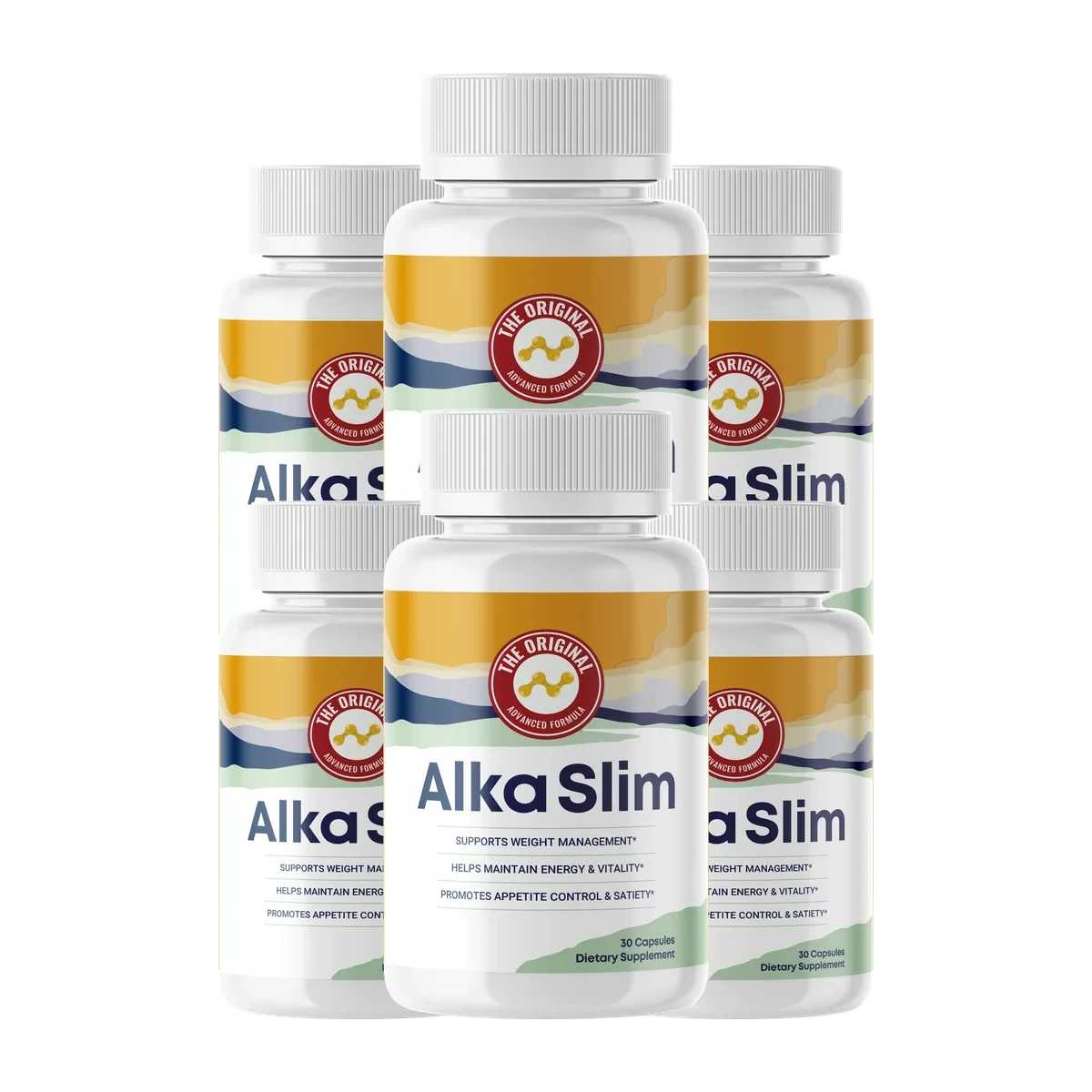
AlkaSlim delivers berberine alongside a konjac glucomannan fiber base in a once-daily capsule. See current pricing, the 60-day guarantee and the full directions on the official store.
See AlkaSlim On The Official StoreThe best time to take berberine
Timing follows directly from the mechanism. Because berberine acts on the post-meal blood-sugar rise, you take it just before or with meals — not on an empty stomach between them. Split your daily total across your two or three largest meals: 500 mg before breakfast and dinner if you are running 1,000 mg a day, or breakfast, lunch and dinner if you are at 1,500 mg. Dosing with food both catches the effect you want and reduces the stomach upset that is berberine's most common complaint.
Consistency beats precision here. The exact minute on the clock does not matter; taking it reliably at mealtimes, every day, does. Berberine's short half-life means skipping doses leaves gaps in coverage, so treat it as a habit tied to eating rather than a pill you take when you remember. If you tend to forget, anchoring the dose to a meal you never skip is the simplest fix.
Side effects, interactions, and who should check first
A fair guide has to weigh the downsides, and berberine has two categories worth taking seriously.
The first is digestive and usually manageable. Cramping, diarrhea, constipation and general stomach upset are the common complaints, and they cluster at the start or when the dose is too high or taken all at once. The fixes are the ones already built into the dosing rules: start low, split the total, and always take it with food. Most people settle in within a couple of weeks.
The second category is the one that is not optional to consider: interactions. Berberine is processed through the liver and affects the same enzymes that metabolize many medications, which means it can change how those drugs behave. It has documented interactions with statins and with blood thinners such as warfarin, among others. This is not a "natural, so harmless" ingredient — it is metabolically active, and that is the whole point of taking it. If you take any prescription medication, are pregnant or breastfeeding, or manage a health condition, clear berberine with your doctor or pharmacist before you start. The same care applies to the broader category, which we cover in our guide to berberine versus glucomannan for weight loss and how the two mechanisms compare.
Three myths about dosing berberine
"More is better, so I'll take a big single dose." No — berberine's short half-life means a single large dose spikes and fades and mostly upsets your stomach. Two or three split 500 mg doses keep the level steady and are better tolerated. Above 1,500 mg a day you leave the evidence behind without buying more benefit.
"It's nature's Ozempic, so it should match the drug." It does not. Berberine and GLP-1 drugs both touch blood sugar, but the drugs produce double-digit body-weight loss while berberine's realistic average is a few pounds. It is a modest metabolic helper, not a replacement for medical treatment.
"It's a supplement, so I can take it with anything." This is the risky myth. Berberine's liver interactions with statins, warfarin and other drugs are real. The fact that you buy it without a prescription does not make it interaction-free — if anything, its activity is exactly why a provider check matters.
The bottom line on berberine dosage for weight loss
Dose berberine at 500 mg two to three times a day, before meals, for a daily total of 1,000 to 1,500 mg. Start low, split the total, and take it with food to protect your stomach. Expect a modest four to five pounds over one to three months, and only alongside a real calorie deficit — the metabolic markers move first, the scale follows. Above all, respect that berberine is active enough to interact with common medications, so anyone on a prescription should clear it first. Used correctly, it is a reasonable metabolic helper. Used as a magic bullet, it will disappoint. If you would rather not manage split doses yourself, a formula like AlkaSlim that pairs berberine with a satiety fiber does the timing for you.
Related reading
Frequently asked questions
How much berberine should I take for weight loss?
The dose used in most research is 500 mg taken two to three times a day, just before meals, for a total of 1,000 to 1,500 mg daily. Berberine has a short half-life, so splitting it across the day keeps levels steadier and eases the stomach compared with one large dose. Start at the lower end, take it with food, and do not exceed 1,500 mg a day without professional guidance.
How long does berberine take to show results?
Berberine's effects on blood sugar and insulin markers can begin within about two to four weeks, but a visible change on the scale usually takes longer, generally one to three months and only inside a reduced-calorie diet. Realistic averages land around four to five pounds over that window. If nothing has shifted by twelve consistent weeks, reassess the dose, the diet or whether berberine is the right tool for you.
When is the best time to take berberine?
Take berberine just before or with meals, splitting the daily total into two or three doses timed to your largest meals. Dosing around food takes advantage of its effect on the post-meal blood-sugar rise and reduces stomach upset. Because its half-life is short, spacing doses through the day keeps the effect steadier than a single dose. Consistency at mealtimes matters more than the exact clock time.
What are the side effects of berberine?
The most common side effects are digestive: cramping, diarrhea, constipation and stomach upset, especially when starting or dosing too high, which is why the total is split and taken with food. More importantly, berberine can interact with medications such as statins and warfarin because it is processed through the liver. Anyone on prescription medicine, pregnant or breastfeeding should check with a provider before starting berberine.

Give berberine a fair trial, risk-free
AlkaSlim pairs berberine and glucomannan in a once-daily capsule backed by a 60-day money-back guarantee. Check the current price, the guarantee terms and the directions on the official store before you decide.
Order From The Official Store