Natural GLP-1 Supplements vs Ozempic
Do natural GLP-1 supplements really work like Ozempic?
Natural GLP-1 supplements work in the same direction as Ozempic but at a fraction of the intensity. Fiber, berberine and curcumin nudge your own GLP-1 and related pathways, supporting roughly 3 to 5 pounds of loss, while prescription GLP-1 drugs deliver 15 to 21 percent. They are a safer, cheaper, no-script starting point — not a like-for-like swap.
- Viscous fiber and protein trigger your gut's own GLP-1 satiety signal after meals.
- Curcumin can inhibit DPP-4, potentially extending GLP-1's half-life by around 28 percent.
- Berberine supports the same metabolic pathways for roughly $15 a month, versus hundreds for a script.
The single hottest search in weight loss right now is some version of "natural GLP-1 supplements" — people who have watched Ozempic and Wegovy dominate the conversation and are asking, reasonably, whether there is a way to get some of that benefit without a prescription, an injection, or a monthly bill that runs into the hundreds. It is a great question, and it deserves an honest answer rather than a hype answer. The short version: natural GLP-1 boosters are real, they work through legitimate biology, and they are nowhere near as powerful as the drugs. Both of those things are true at once, and any page that tells you only one of them is selling you something.
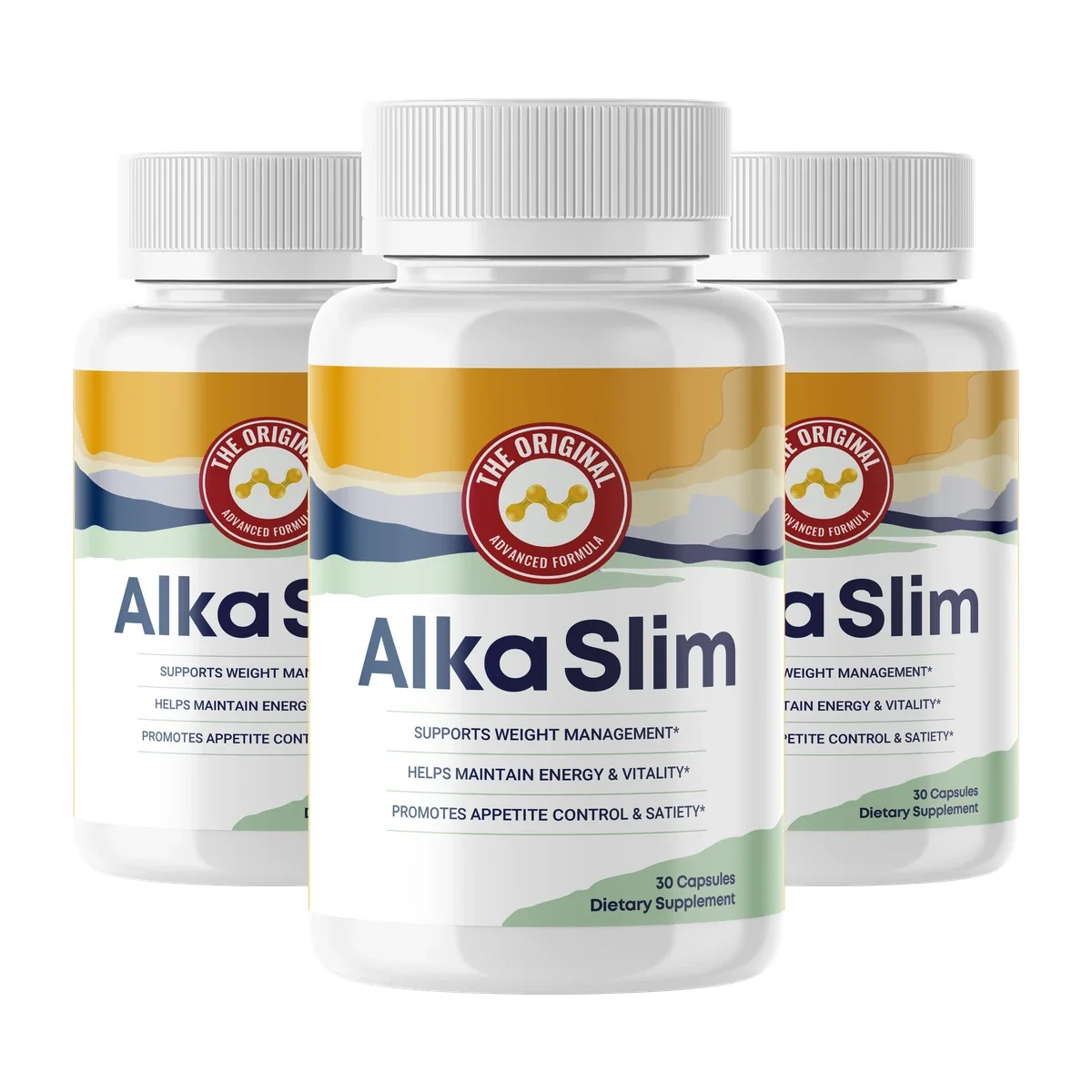
This article compares natural GLP-1 support against the prescription GLP-1 drugs on the terms that actually matter — how they work, how much weight they move, how safe they are, and what they cost — and shows where a fiber-and-berberine formula like AlkaSlim honestly fits. We are an independent review site, so you will get the unflattering numbers alongside the encouraging ones.
What GLP-1 actually is, and why everyone is talking about it
GLP-1, or glucagon-like peptide-1, is a hormone your gut releases naturally every time you eat. It does several useful things at once: it tells your brain you are full, it slows how fast your stomach empties, and it helps your pancreas manage blood sugar. In other words, GLP-1 is one of your body's built-in appetite and blood-sugar regulators. Drugs like Ozempic (semaglutide) are GLP-1 receptor agonists — they mimic that hormone at a much higher, longer-lasting dose than your body would ever produce on its own, which is why they suppress appetite so dramatically and drive such large weight loss.
The "natural GLP-1" idea flips the approach. Instead of flooding the system with a drug that imitates the hormone, natural boosters try to get your own body to release more of its own GLP-1, and to keep what it releases circulating a little longer. That is a gentler lever. It cannot match a pharmaceutical dose, but it also does not come with a pharmaceutical price tag or a pharmaceutical side-effect profile. Understanding that trade-off is the whole point of this comparison.
How natural GLP-1 supplements boost the hormone
There are three well-described ways a supplement or food can nudge your GLP-1 system, and the better natural formulas use more than one of them.
The first and most established is fiber and protein. When viscous soluble fiber and protein reach your gut, they slow digestion and stimulate the specialised intestinal cells that release GLP-1 after a meal. This is the most reliable natural GLP-1 lever we have, and it is exactly why a viscous fiber like glucomannan is so useful for appetite — it is not just filling space, it is feeding the same satiety signal the drugs target. If you want the broader landscape of what genuinely curbs hunger, our guide to natural appetite suppressants that actually work covers the full range.
The second is slowing GLP-1's breakdown. Once released, GLP-1 is destroyed within minutes by an enzyme called DPP-4. Curcumin, the active compound in turmeric, has been shown to inhibit DPP-4, and by slowing that breakdown it can extend GLP-1's half-life by roughly 28 percent in some research — meaning the satiety signal you produced naturally sticks around a little longer. It is a modest effect, but it is a real one and it works with, rather than against, the fiber lever.
The third is metabolic support through berberine. Berberine activates AMPK and improves insulin sensitivity, and it interacts with the same blood-sugar pathways GLP-1 helps regulate. It is not a GLP-1 mimic, but it supports the metabolic environment those pathways operate in. For the practical side of using it, see our comparison of berberine versus glucomannan for weight loss.
Want a no-script way to support your own GLP-1?
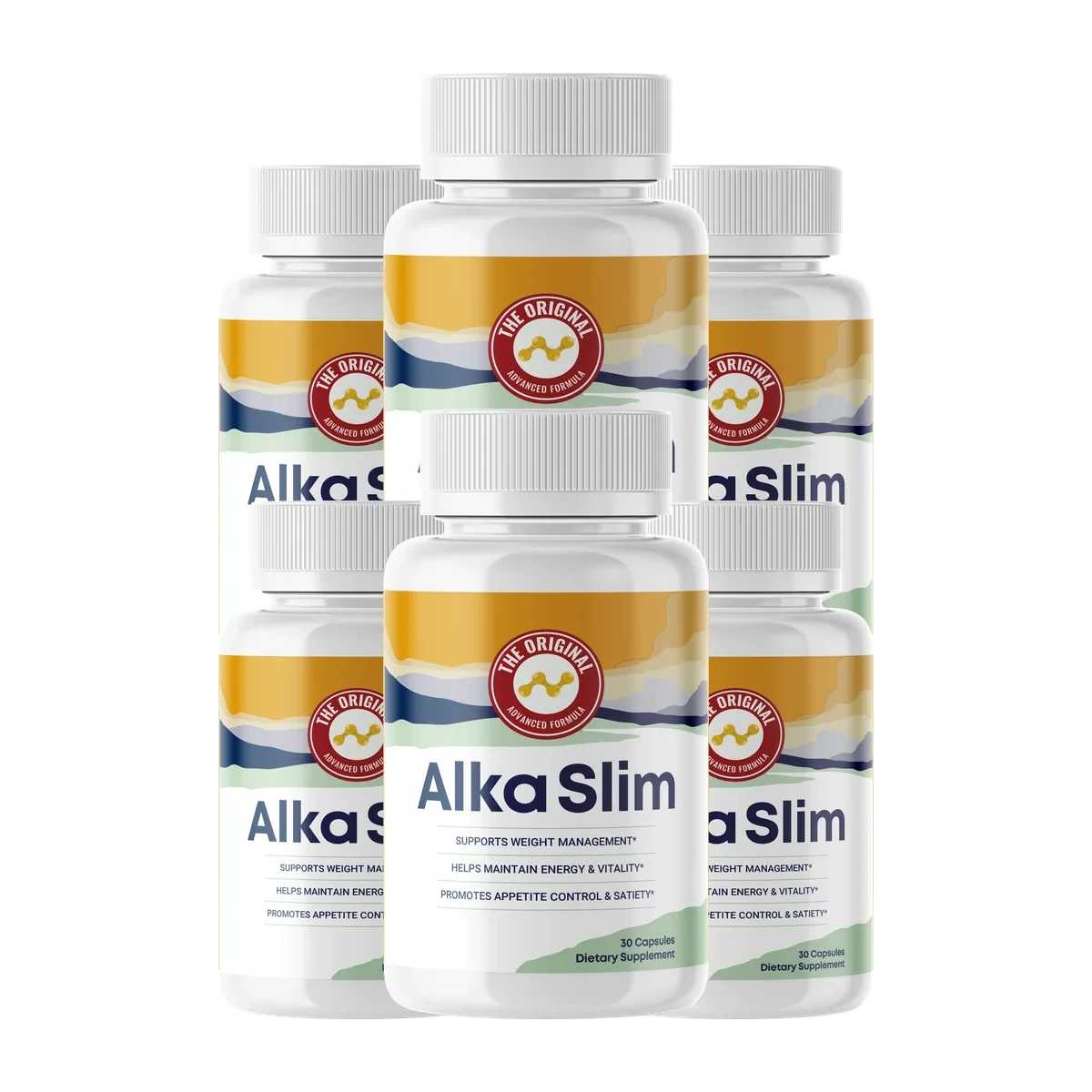
AlkaSlim pairs viscous glucomannan fiber with berberine in one daily capsule — targeting the same satiety and blood-sugar levers as the natural GLP-1 approach, backed by a 60-day money-back guarantee. See the label and pricing on the official store.
Check Pricing On The Official StoreThe honest numbers: natural GLP-1 vs prescription GLP-1
Here is where an honest comparison has to be blunt, because the marketing around "nature's Ozempic" routinely blurs it. In their clinical trials, prescription GLP-1 drugs like semaglutide and tirzepatide produce average weight loss in the range of roughly 15 to 21 percent of body weight. That is a genuinely dramatic result and it is why these drugs have reshaped the field. Natural GLP-1 support does not come close. Berberine, for example, is associated with only about a 1 to 3 percent change in body weight in studies, and the overall realistic expectation for a natural stack is support in the region of 3 to 5 pounds alongside sensible eating and movement.
If you read those numbers and feel deflated, read them again with the context that matters: the natural approach requires no prescription, no injections, and no visit to a clinic; it costs a fraction of the drug — berberine can run around $15 a month against hundreds for a branded GLP-1 script — and it carries a far gentler side-effect profile. A few pounds of genuine, low-risk, low-cost support is a perfectly rational goal for millions of people who are not candidates for the drugs, cannot afford them, or simply do not want to inject themselves weekly. We break down that whole decision in our piece on the truth about natural Ozempic alternatives.
Objection one: "So natural GLP-1 supplements are basically useless?"
No — and that is the wrong frame. "Useless" and "as powerful as a drug" are not the only two options. Natural GLP-1 boosters occupy the sensible middle: meaningfully better than nothing, far less powerful than a pharmaceutical. The mistake is comparing them only to Ozempic and concluding they fail. Compare them instead to the alternative most people are actually choosing — which is no support at all, or a stimulant fat-burner with a worse safety record — and a low-risk, low-cost tool that gently reinforces your own satiety hormone looks a lot more attractive. The right expectation is "helpful support," not "miracle." It is also worth remembering that the drugs are not an option for everyone: many people cannot get a prescription, cannot afford one, cannot tolerate the side effects, or simply do not want to inject themselves indefinitely. For that large group, the honest choice is not "natural support versus Ozempic" at all — it is "natural support versus nothing," and against nothing, a gentle, evidence-based nudge to your own GLP-1 is a clear step forward.
Objection two: "Aren't the drugs safer now, so why bother with supplements?"
Prescription GLP-1 drugs are well studied and appropriate for many people, especially those with significant weight to lose or specific medical indications — that is a decision for you and your doctor. But they are not free of downsides. Nausea, vomiting and other digestive side effects are common, some rarer complications exist, the cost is high, supply has been inconsistent, and stopping the drug often leads to weight regain. Natural GLP-1 support has a much narrower risk profile — usually nothing worse than the mild bloating any fiber can cause when you start. For someone with a modest goal who wants to start gently, the supplement route is a reasonable first step before, or instead of, escalating to a prescription. If you are weighing that choice directly, our guide to prescription weight-loss pills versus natural options lays out both sides.
Where AlkaSlim fits in the natural GLP-1 picture
AlkaSlim was not designed as a GLP-1 drug and it should never be sold as one — but its ingredient logic lines up neatly with the natural GLP-1 approach. Its lead ingredient, glucomannan, is exactly the kind of viscous soluble fiber that slows digestion and stimulates the gut's own GLP-1 release before a meal. It pairs that with berberine, which supports the insulin-sensitivity and metabolic pathways the same system depends on, plus L-arabinose to blunt the sugar spike from sweet meals. In other words, AlkaSlim targets two of the three natural GLP-1 levers — trigger your own satiety signal, and support the metabolic backdrop — in a single once-daily capsule that costs a fraction of any prescription.
That makes it a fair example of what a "no-script starting point" actually looks like: not a promise of drug-level results, but a low-risk, affordable way to reinforce the appetite and blood-sugar systems the drugs hijack. Used with a genuine diet-and-movement effort, that is a sensible place for a lot of people to begin.

Who should consider natural GLP-1 support?
Not everyone needs, wants, or qualifies for a prescription GLP-1 drug, and that is exactly the gap natural support fills. It makes the most sense for someone with a modest goal — say, the last 10 to 20 pounds, or a stubborn few that crept on over the years — who is willing to do the diet-and-movement work and just wants their appetite and blood sugar to cooperate. It suits people who are wary of injections, put off by the cost, or simply not comfortable jumping straight to a pharmaceutical for a goal that is more about habits than medical necessity. And it is a reasonable "try this first" step for anyone who wants to see how much they can achieve with a gentler tool before deciding whether to talk to a doctor about escalating.
Who it is not for: anyone expecting the natural route to replicate a 15-to-20-percent drop, and anyone with a significant medical need for aggressive weight loss, who should be having that conversation with a clinician rather than reaching for supplements. Natural GLP-1 support is a starting point and a long-term maintenance ally — it is not a rescue tool for a serious health situation.
How to get the most from a natural GLP-1 routine
The biggest mistake people make with natural GLP-1 boosters is treating them like the drugs — take it and wait for the weight to fall off. That is not how a gentle lever works. Because the fiber component triggers your gut's satiety signal in response to food, timing is everything: a viscous fiber like glucomannan should be taken with a full glass of water shortly before your largest meals, so it has hydrated and expanded before the food arrives. Taken after you have already eaten, or with too little water, it does far less. The same "present when it matters" logic applies to the L-arabinose side, which needs to be in the gut when the sugary part of a meal shows up.
Two more things multiply the effect. First, lean into protein — protein and fiber together are the strongest natural stimulus for your own GLP-1 release, so a high-protein, higher-fiber plate is doing the same job as the supplement, only through food. Second, give it time and consistency; unlike a drug that overrides appetite within days, natural support works by nudging systems you have to let settle in over weeks. Take it daily, pair it with real meals, and judge it over a month or two rather than a few days. Used that way, a fiber-and-berberine formula becomes a quiet, sustainable habit rather than a disappointing quick fix.
The honest bottom line on natural GLP-1 vs Ozempic
Natural GLP-1 supplements and prescription GLP-1 drugs are playing the same sport at very different levels. The drugs deliver dramatic, double-digit weight loss by overwhelming the GLP-1 system with a powerful agonist, at high cost and with real side effects. Natural boosters — fiber, berberine and curcumin — gently encourage your own GLP-1 and the pathways around it, supporting a few pounds of loss at a fraction of the price and with a much gentler risk profile. If you need drug-level results and qualify for them, talk to your doctor about the drugs. If you want a low-risk, low-cost, no-script starting point that works with your body's own biology, a fiber-and-berberine formula like AlkaSlim is a reasonable first move — as long as you pair it with the diet and activity that do the real work, and keep your expectations honest.
Related reading

Start with the no-script approach
AlkaSlim brings viscous fiber and berberine together in one daily capsule to support your body's own satiety and blood-sugar systems, with a 60-day money-back guarantee to keep your risk low. Full details on the official store.
Order From The Official StoreFrequently asked questions
Do natural GLP-1 supplements really work like Ozempic?
Not to the same degree. Ozempic and other GLP-1 drugs flood the body with a powerful GLP-1 receptor agonist, producing average weight loss of roughly 15 to 21 percent in trials. Natural GLP-1 supplements like fiber and berberine gently nudge your own GLP-1 and related pathways, which is far milder — typically a few pounds of support rather than a double-digit drop. They work in the same direction, not at the same intensity.
Which supplements boost GLP-1 naturally?
Viscous soluble fiber such as glucomannan and protein are the best-established, because they slow digestion and trigger the gut cells that release GLP-1 after a meal. Berberine supports the metabolic pathways involved, and curcumin can inhibit DPP-4, the enzyme that breaks GLP-1 down, which may extend its half-life by roughly a quarter. A fiber-plus-berberine combination, as in AlkaSlim, targets several of these levers at once.
Are natural GLP-1 boosters safer than prescription drugs?
For most healthy adults they carry a much lower risk profile, with side effects that are usually limited to mild digestive symptoms rather than the nausea, vomiting or rarer complications reported with injectable GLP-1 drugs. They are also far cheaper — berberine can cost around $15 a month versus hundreds for a prescription. That said, safer is not the same as risk-free, so anyone on medication or managing a condition should still check with a doctor.
How much weight can natural GLP-1 supplements help you lose?
Realistically, natural GLP-1 boosters support a few pounds of loss — often in the range of about 3 to 5 pounds over a couple of months — when combined with sensible eating and activity. That is a fraction of what prescription GLP-1 drugs deliver, but it comes without a script, at a fraction of the cost, and with a gentler side-effect profile. They are best viewed as a no-script starting point, not a like-for-like replacement.