Prescription Weight Loss Pills vs Natural Options
Do you need a prescription for the best weight loss pills?
Not necessarily. Prescription weight loss pills like Wegovy and Zepbound produce the biggest results but require a prescriber, cost far more and often cause nausea. Natural fiber and appetite formulas need no script, cost less and are gentler, trading a smaller result for accessibility. Match the tool to your goal, budget and health.
- Rx drugs win on raw numbers: roughly 15 to 21 percent body-weight loss in trials.
- Natural pills win on access: no script, lower cost, fewer systemic side effects, no injections.
- Both only work with a calorie deficit; natural is the common no-script starting point.
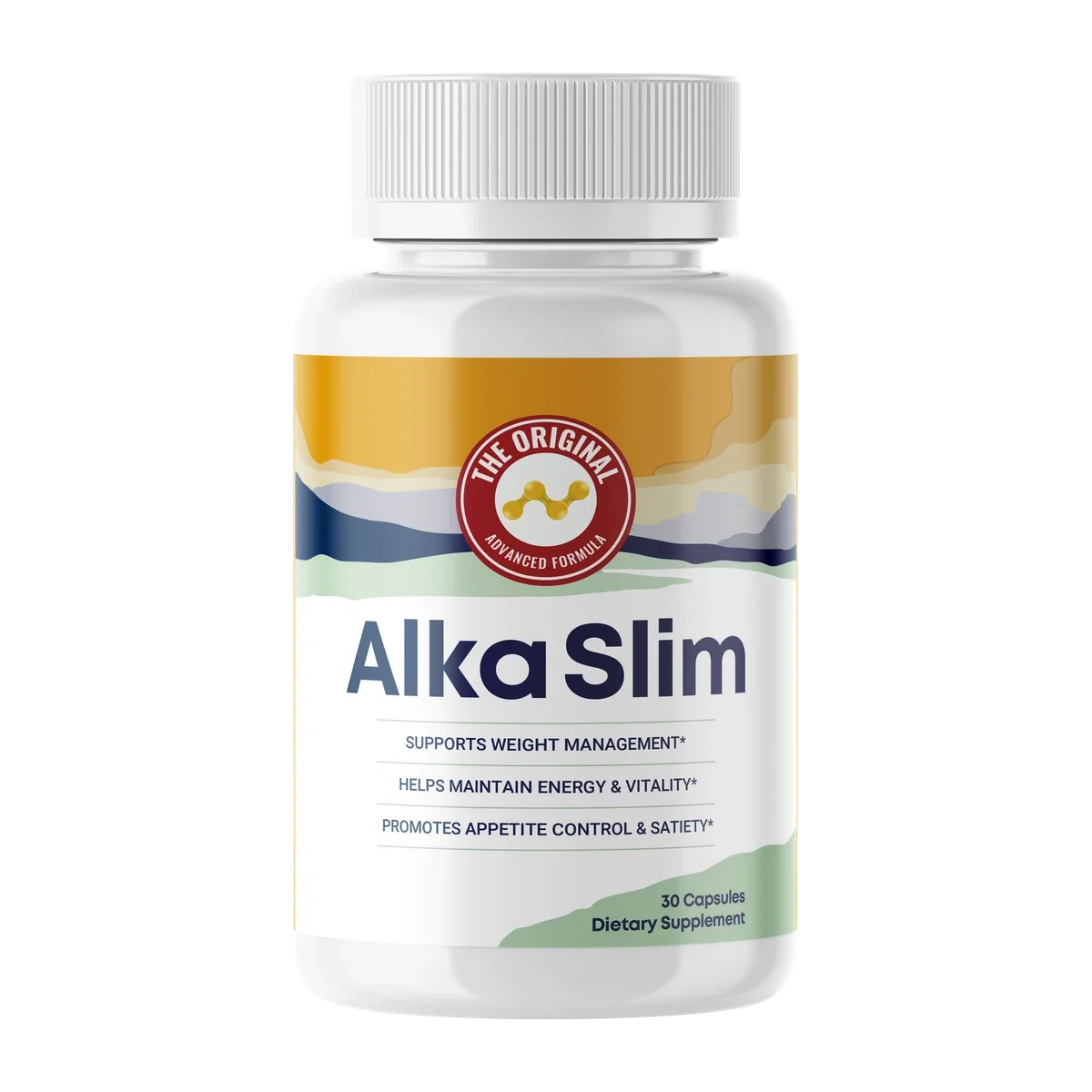
If you have researched losing weight in the last two years, you have run into the same fork in the road. On one side sit prescription weight loss pills and injections — the GLP-1 names like Ozempic, Wegovy and Zepbound that turned "medical weight loss" into dinner-table conversation. On the other side sit the natural options: fiber capsules, appetite formulas and plant compounds you can buy without a doctor's note. The marketing on both sides is loud, so this guide does something quieter. It puts the two approaches next to each other on the four things that actually decide your choice — results, cost, side effects, and access — so you can self-select the right starting point instead of the loudest one.
We review weight-management supplements by reading the research rather than the sales page, and we disclose that we earn commission through our links. AlkaSlim, the product this site covers, is a natural no-script formula, so it sits on one specific side of this comparison. Take our summary as informed, and bring the same skepticism to it that you would to any seller.
What "prescription weight loss pills" actually covers today
The phrase is broader than most people realize, and lumping it into one category hides the real differences. There are three families worth naming. First, the older stimulant appetite suppressants such as phentermine, approved for short-term use, typically a few weeks, because tolerance and cardiovascular considerations limit how long they are prescribed. Second, the GLP-1 and dual-agonist injectables — semaglutide (sold as Ozempic and, for weight, Wegovy) and tirzepatide (sold as Zepbound) — which mimic gut hormones to blunt appetite and slow stomach emptying. Third, the growing pipeline of oral versions of those same hormone-based drugs, which are arriving but still require a prescriber.
What every one of them shares is the reason they work well and the reason they are gatekept: they are potent enough to need medical supervision. A prescriber screens you, sets a dose schedule, monitors side effects and adjusts as you go. That supervision is a feature, not a hurdle to route around. It is also the first practical difference from a natural supplement, which you assess and manage yourself.
The honest numbers: how much weight each approach moves
Let us start where everyone wants to start, and let us be honest about the gap, because pretending it is small would not serve you.
| Option | Typical result | Prescription? | Format |
|---|---|---|---|
| Wegovy (semaglutide) | ~14.9% body weight in trials | Yes | Weekly injection |
| Zepbound (tirzepatide, 15 mg) | ~21% body weight in trials | Yes | Weekly injection |
| Phentermine | Modest, short-term only | Yes | Daily tablet |
| Natural fiber / appetite formulas | ~3–5 lbs over months | No | Daily capsule |
Two things jump out, and both matter. First, the prescription drugs are in a genuinely different league. A 15 to 21 percent reduction in body weight is a clinically significant number, and no honest natural supplement can claim to rival it. If your target is large and medically urgent, that gap is the whole story, and a conversation with a prescriber should be your next move, not a capsule.
Second, and just as important: the natural number is real, it is just smaller. A few pounds over a couple of months, layered on top of diet and activity, is a modest but genuine nudge — not a transformation. Anyone selling a natural pill as "nature's Ozempic" that matches the drugs is selling past the evidence, a claim we take apart in our look at the truth about natural Ozempic alternatives. The useful framing is not "which number is bigger" — the drug's is — but "which tool fits my goal, my budget and my willingness to take on a prescription."
What prescription weight loss pills cost — in money and in side effects
The trial numbers are only half the ledger. The other half is what the result costs you, and here the natural side closes some of the gap.
On money: the GLP-1 drugs are expensive, often running into the high hundreds or beyond per month without insurance coverage, and coverage for weight loss specifically is inconsistent. That is a recurring bill for as long as you take the drug, and stopping frequently brings appetite — and often some weight — back. A natural capsule is a fraction of that monthly figure, which is why cost, not skepticism, is what sends many people to the supplement aisle first.
On side effects: potency comes with a price paid by your gut. The most common complaints with GLP-1 drugs are nausea, vomiting, diarrhea and constipation, and the labels carry specific warnings that are exactly why a prescriber is required. Most people tolerate the drugs, and doses are titrated slowly to help, but "well tolerated on average" is not the same as pleasant. Natural fiber formulas have their own side effects — bloating and gas as your gut adjusts — but they are generally milder and non-stimulant. We cover the full picture, including the mistakes that make them worse, in our guide to the weight loss pills that actually work and how to judge them.
Where natural formulas like AlkaSlim fit
Given the gap in the numbers, why would anyone start natural at all? Because "biggest result" and "right first move" are not the same decision. For a large share of people — those with a modest amount to lose, those who cannot or do not want to take a prescription drug, those who want to change habits before escalating, and those for whom cost is the deciding factor — a no-script formula is the sensible on-ramp.
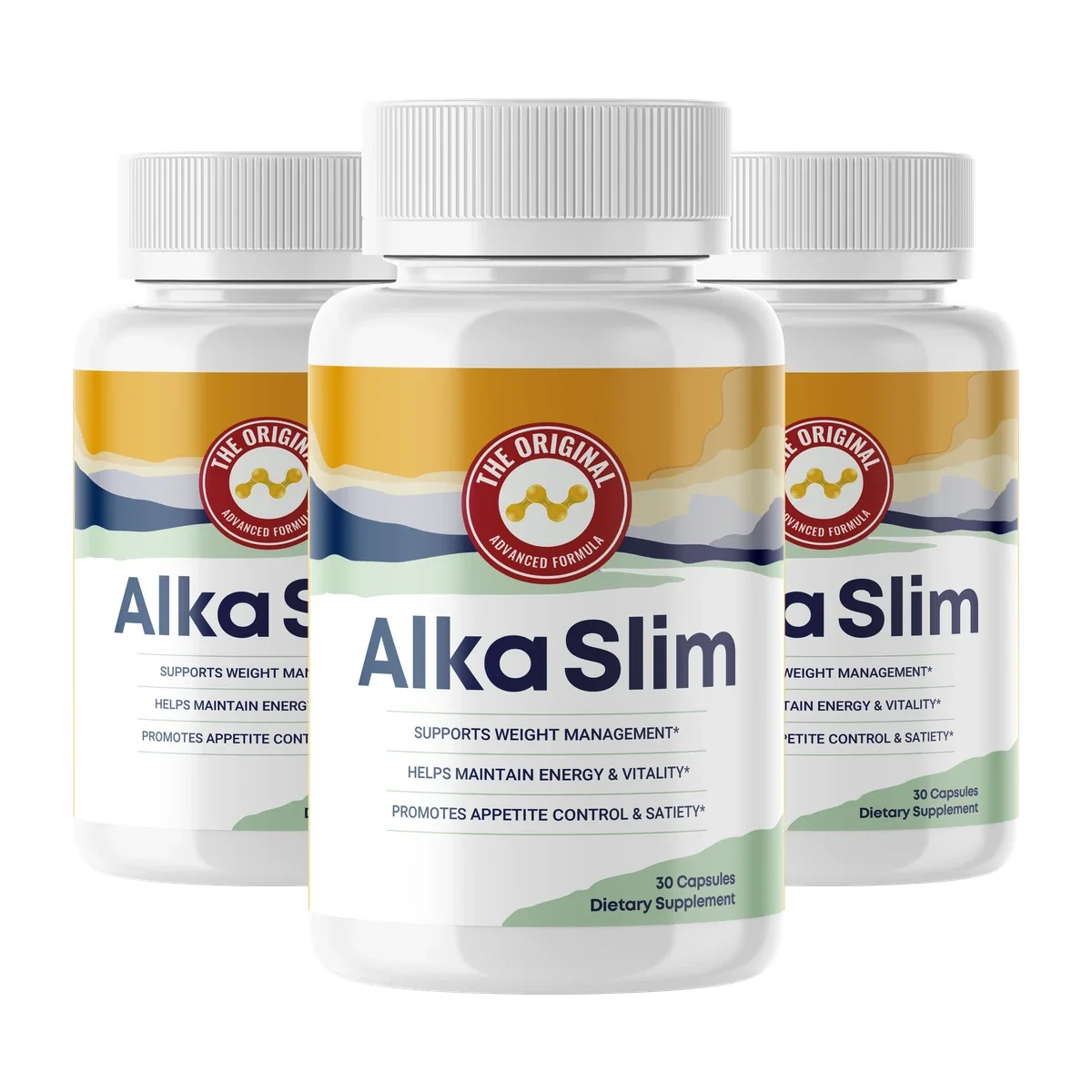
AlkaSlim is built around konjac glucomannan, a soluble fiber that absorbs water and forms a gel in the stomach, slowing how fast it empties and making it easier to eat less. That is a satiety mechanism: it works on the appetite side of the equation, which is the exact obstacle most dieters name. It is not hormone-based, it is not a stimulant, and it needs no prescriber. Taken with a full glass of water before meals, inside a calorie deficit, it is a low-risk way to make portion control easier. If you want to understand how satiety fiber compares to the metabolic and hormone-mimicking routes, our breakdown of the over-the-counter weight loss pills worth knowing maps the whole landscape.
Want to start without a script?
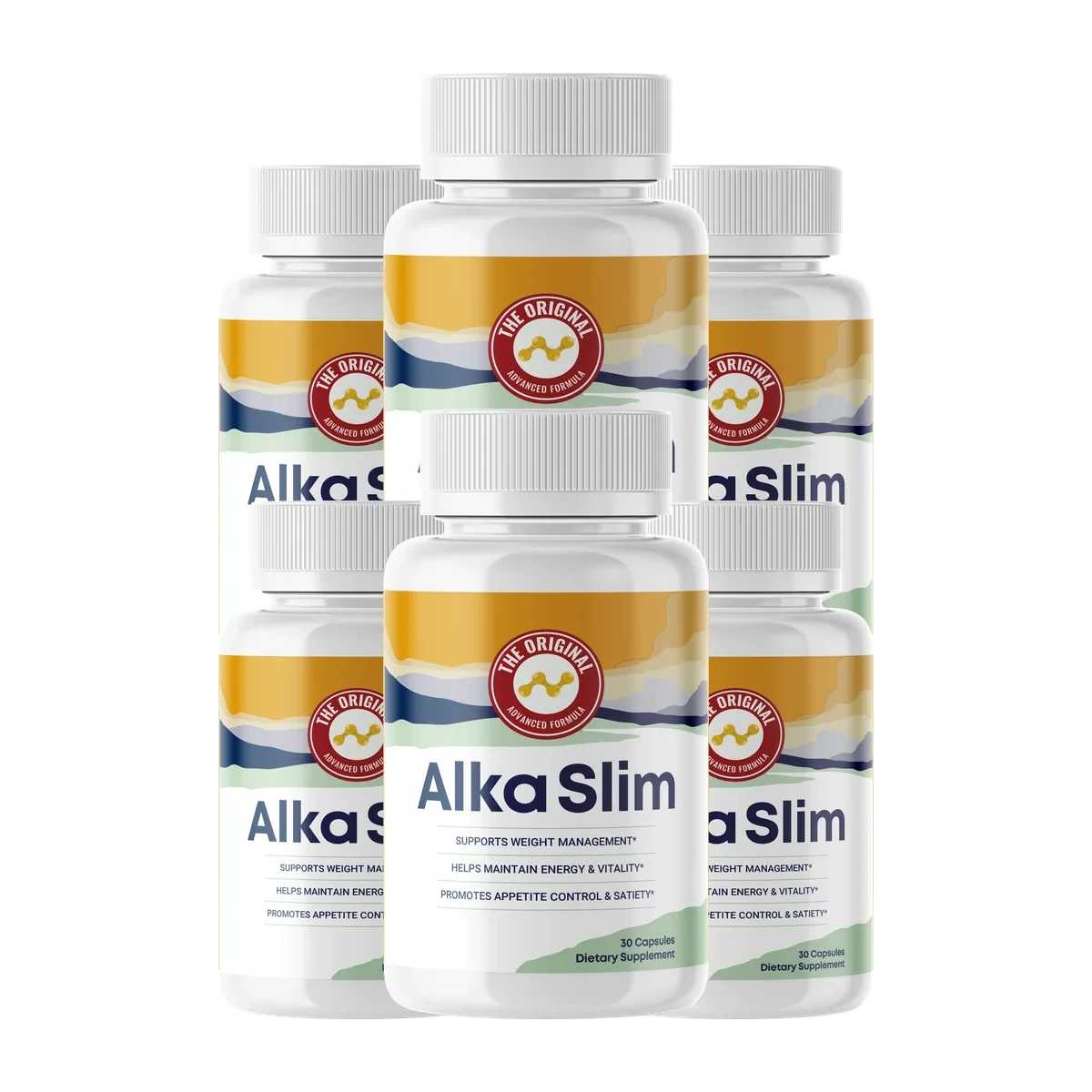
AlkaSlim is a once-daily konjac glucomannan capsule you can buy without a prescription. See current pricing, the 60-day guarantee and the full directions on the official store.
See AlkaSlim On The Official StoreThree myths about prescription vs natural weight loss pills
"Prescription weight loss pills are a shortcut that skips the diet." They are not. Even the GLP-1 drugs are studied and prescribed alongside reduced-calorie eating and activity, and the label reflects that. They make the deficit easier to sustain by cutting appetite; they do not repeal the need for one. Take away the diet and you take away much of the result — on either side of this comparison.
"Natural means safe, so I can just take it." Natural does not mean inert. A satiety fiber like glucomannan is a documented choking hazard if taken with too little water, and it can slow the absorption of medicines taken at the same time. Any active ingredient deserves the same care: read the directions, hydrate, and clear anything new against your prescriptions with a pharmacist.
"If the drug works so much better, the natural option is pointless." Only if the drug is available, affordable and appropriate for you — and for many people at least one of those is not true. A modest, accessible result you will actually stick with beats a bigger result you cannot get, cannot afford, or cannot tolerate. The best tool is the one that fits your real life, not the one with the biggest chart.
How to choose your prescription or natural starting point
Here is a clear-eyed way to decide. If you have a substantial amount to lose, a related health concern, or you have already tried and stalled with diet and lifestyle, book time with a prescriber and ask specifically about the medical options — that is the route with the strongest evidence. If your target is modest, cost matters, you would rather not take a prescription drug, or you simply want to build the habit of eating less before escalating, a natural satiety formula is a reasonable, lower-risk first step.
Ask yourself the honest question: is my obstacle appetite and portion control, or is it something a hormone-based drug is specifically designed to address? Then price both paths — in dollars and in side effects — and start with the one you can actually sustain.
Whichever way you lean, do not treat this as a solo decision if you take medication or manage a health condition. Loop in a healthcare professional, be honest with them about cost and side-effect tolerance, and let the plan — not the marketing — set the direction.
The bottom line on prescription weight loss pills vs natural options
Prescription weight loss pills deliver the biggest results the field has ever seen, at the cost of a prescriber, a real monthly bill and a side-effect profile that earns the supervision they require. Natural options move a smaller number but ask far less of you: no script, lower cost, gentler effects, and no injections. Neither works without a calorie deficit underneath it. If your goal is modest, your budget is real, and appetite is the thing that trips you up, a well-dosed natural fiber like the one behind AlkaSlim is a sensible place to begin — and you can always escalate to the medical route later with a clearer picture of what your body responds to.
Related reading
Frequently asked questions
Do you need a prescription for effective weight loss pills?
For the strongest medical results, yes: the drugs with double-digit body-weight loss, such as Wegovy and Zepbound, require a prescriber and ongoing supervision. But effective is not the same as strongest. Natural fiber and appetite formulas need no script and can produce a modest, real result of a few pounds when paired with a calorie deficit, which is why many people start there before deciding whether a prescription is worth the cost and the visits.
How do natural weight loss pills compare to Ozempic or Wegovy?
They play in different weight classes. Wegovy averages about 14.9 percent body-weight loss and Zepbound at its top dose about 21 percent in trials, while natural supplements typically add roughly three to five pounds over months. Natural options trade that smaller number for no prescription, lower cost, fewer systemic side effects and no injections. They are a starting point and a diet amplifier, not a replacement for the drugs.
Are prescription weight loss pills safer than supplements?
Neither is automatically safer; they carry different risks. Prescription drugs are tested and supervised but commonly cause nausea, vomiting and other gut effects and carry labeled warnings, which is exactly why they need a prescriber. Natural fiber formulas are gentler and non-stimulant for most people but are not risk-free and still interact with medicines. The safest path for anyone is to clear either option with a healthcare professional first.
Can I switch from prescription drugs to a natural supplement?
That is a decision to make with your prescriber, not on your own. Stopping a GLP-1 drug often brings appetite back, and some people regain weight, so a plan matters. A natural satiety fiber may help bridge the appetite gap and support the habits you built, but it will not match the drug's numbers. Never stop a prescribed medicine abruptly to swap in a supplement without medical guidance.

Try the natural route with a safety net
AlkaSlim pairs a once-daily glucomannan capsule with a 60-day money-back guarantee. Check the current price, the guarantee terms and the directions on the official store before you decide.
Order From The Official Store